US and Iran exchange infrastructure strikes as conflict hits Kuwait facilities
The U.S. and Iran have exchanged infrastructure strikes, targeting critical sites such as Kuwaiti oil and desalination plants, following the collapse of a ceasefire agreement.

- Core Development: The U.S. and Iran have exchanged infrastructure strikes, targeting critical sites such as Kuwaiti oil and desalination plants, following the collapse of a ceasefire agreement.
- Beat Context: Categorized under World with independent corroboration.
- Reporting Depth: 3 minute analytical read synthesized from verified newsroom sources.
The conflict surrounding the Strait of Hormuz has entered a volatile new phase as military strikes from the United States and Iran expand beyond maritime assets to strike critical infrastructure across the Middle East. The escalation marks the effective collapse of an interim agreement signed last month, which had aimed to reopen the waterway and halt hostilities that have persisted since 28 February 2026.
The confrontation reached critical facilities in Kuwait, where Iranian missile strikes damaged an oil facility and a water desalination plant. The attacks caused fires, forcing power generation units offline in a nation that relies on desalination for 90% of its drinking water. Kuwaiti authorities reported that the strikes injured several people, including firefighters and workers at the oil facility. The threat of incoming projectiles prompted Kuwait to briefly close its airspace and reschedule flights. Jordan, Bahrain, and Iraq also reported intercepted missile and drone activity as the conflict widened.
Media additions
Escalation of Infrastructure Attacks
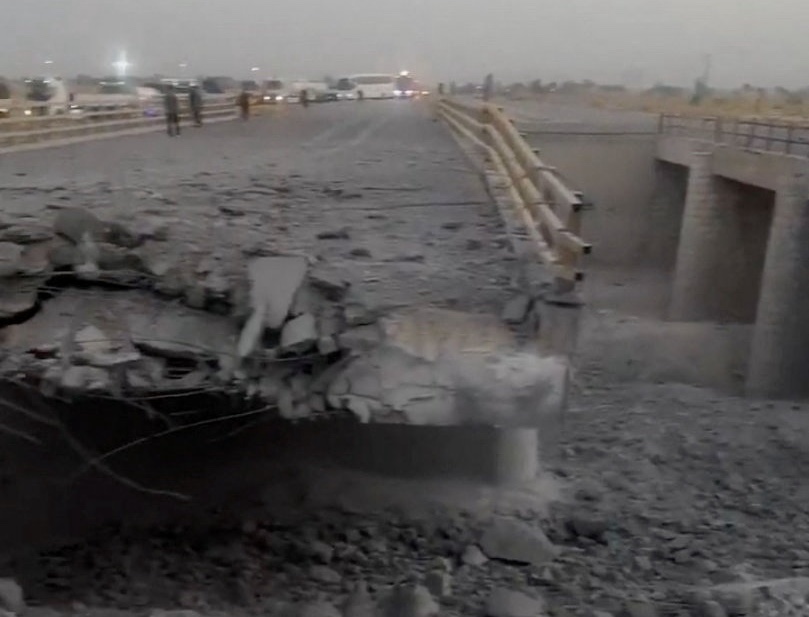
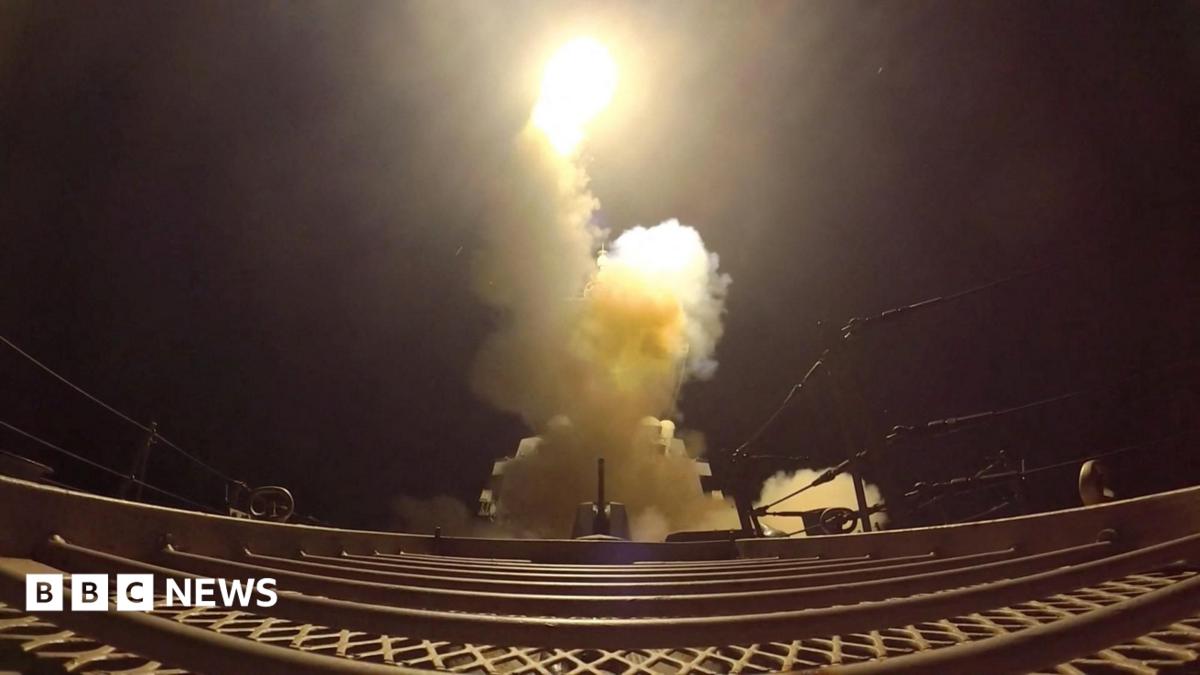
The United States has pivoted its strategy toward degrading Iranian industrial and military support systems. U.S. Central Command confirmed that recent operations have targeted surveillance sites, weapons storage, and logistics infrastructure. In Iran’s Hormozgan province, airstrikes destroyed the Bonji desalination plant, leaving approximately 10,000 residents without water access, according to Iranian state media. Further strikes targeted energy infrastructure, including bridges and tunnels along major highways leading to the port of Bandar Abbas. In the southwestern city of Mahshahr, a strike hit a water pumping station, while a telecommunications worker was reported killed in a separate attack in Hormozgan province. U.S. Forces also collapsed a surveillance tower at the Chabahar port, which Tehran insisted was used for monitoring commercial traffic.
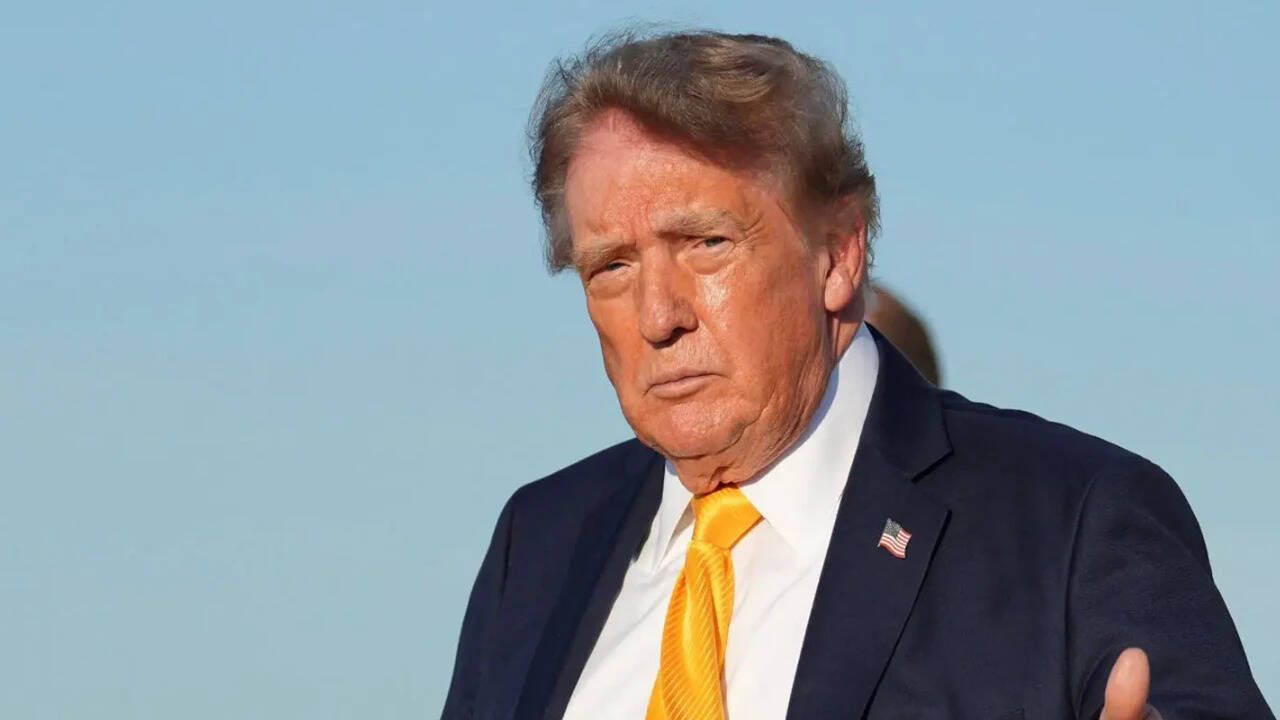
These actions follow what Iranian officials describe as a violation of the preliminary ceasefire deal. Kazem Gharibabadi, Iran's deputy foreign minister, announced that Tehran has suspended its commitments under the interim agreement. The U.S. Has simultaneously reimposed a naval blockade on Iranian ports, a move designed to halt the sale of crude oil. President Donald Trump, citing the breakdown of the agreement, indicated that the U.S. Intends to assume a long‑term role as the guardian of the strait
and suggested that the U.S. Should be reimbursed at a rate of 20% on cargo shipped through the waterway to cover security costs.
Regional Impact and Humanitarian Toll
The regional reach of the conflict has widened significantly. Iran has directed strikes toward U.S.-aligned nations, including Jordan, Bahrain, and Qatar, which had been serving as mediators in the conflict. In northern Iraq, explosions were reported in Irbil and Sulaymaniyah. The U.S. Military acknowledged 14 total service member deaths and 427 wounded since the war began.
The Strait of Hormuz remains the primary source of global tension. Iran asserts that the waterway must be under its sole control, with the right to levy fees on passing vessels. Conversely, the U.S. Insists the route must remain an international waterway. Shipping data from MarineTraffic suggests the impact of this dispute is severe, with vessel crossings hitting a multi‑week low, as international transit risks increase and oil shippers bypass the area or transit with location devices deactivated.
What to Watch Next
- Shipping Protocols: Observe whether major oil shippers continue to bypass the strait or transit with location devices deactivated to avoid detection.
- Diplomatic Standoff: Monitor the status of mediation efforts by regional actors like Qatar and Oman, which remain hindered by the ongoing exchange of fire and the collapse of the interim deal.
- Regional Energy Stability: Watch for further disruptions to water and power services in the Gulf, particularly in Kuwait and southern Iran, where infrastructure remains vulnerable to ongoing airstrikes.
- Military Posture: Watch for shifts in the U.S. Naval presence as the White House weighs the feasibility of a long‑term role as the self‑described guardian of the strait, against the political pressure of avoiding a prolonged regional conflict.
The situation remains fluid, with both parties signaling that further retaliatory strikes are imminent. President Trump has stated that the U.S. Will continue to challenge Iranian control, while the Islamic Revolutionary Guard Corps warned that countries hosting U.S. Forces should be prepared to receive a corresponding response.
How significant is this development?
Contribute your assessment to the aggregated reader sentiment ledger.
Frequently Asked Questions
Key questions answered in this reportWhat is the key development in: US and Iran exchange infrastructure strikes as conflict hits Kuwait facilities?
The U.S. and Iran have exchanged infrastructure strikes, targeting critical sites such as Kuwaiti oil and desalination plants, following the collapse of a ceasefire agreement.
Why is this World development significant for the UK?
This report covers critical events in our World beat. Independent reporting monitors related UK statements, regulatory shifts, and public responses as further verified details emerge.
How was this reporting corroborated and verified?
Newsarchy UK compiles and cross-references reporting from primary reporting from apnews.com and cross-checked wire reports. All coverage adheres to published editorial standards.
When was this report published?
This briefing was published on July 18, 2026 and is permanently cataloged in the Newsarchy UK World archives.