Iran denies Trump claim that new talks will begin on Monday
Iran contradicted US President Donald Trump's assertion that bilateral talks would begin, as Washington halted planned military strikes.
- Core Development: Iran contradicted US President Donald Trump's assertion that bilateral talks would begin, as Washington halted planned military strikes.
- Beat Context: Categorized under World with independent corroboration.
- Reporting Depth: 3 minute analytical read synthesized from verified newsroom sources.
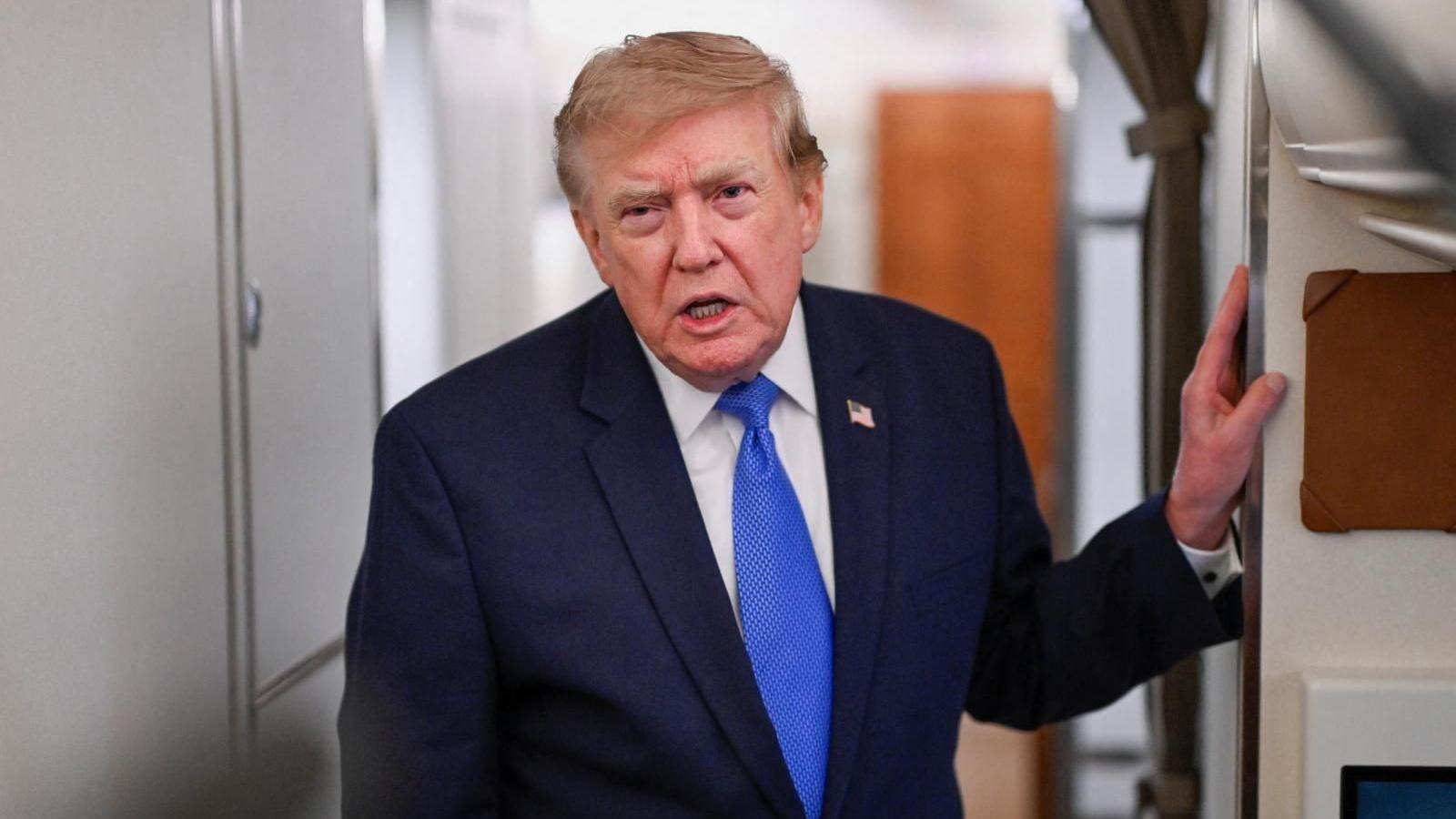
Diplomatic friction erupted on Monday, as Iran flatly contradicted claims by United States President Donald Trump that bilateral negotiations would begin that afternoon to end the ongoing conflict, according to Aol, Yahoo News, Naijanews, Middleeasteye, Thewhistler, and CBS News. The public disagreement follows a dramatic last-minute decision by the US president to halt what he described as massive planned military strikes against the Islamic Republic.
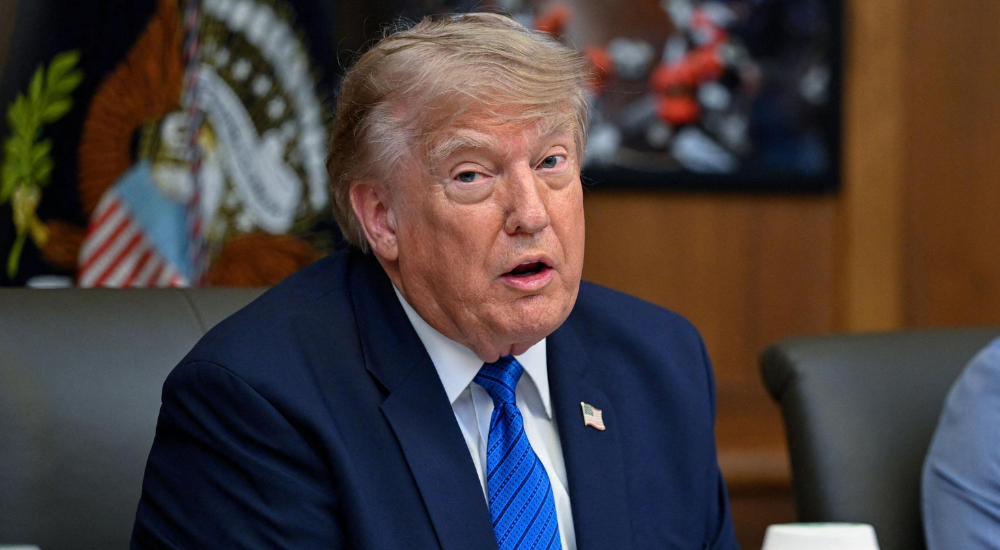
Speaking on board Air Force One on Sunday, Trump asserted that a deal was imminent regarding the Strait of Hormuz and the eventual denuclearization of Iran. He maintained that regional allies and Tehran had asked him to hold off on military action because the perimeters of an agreement had been established. In contrast, Iranian officials pushed back strongly against the narrative of direct engagement.
Media additions
Conflicting Positions on Diplomacy
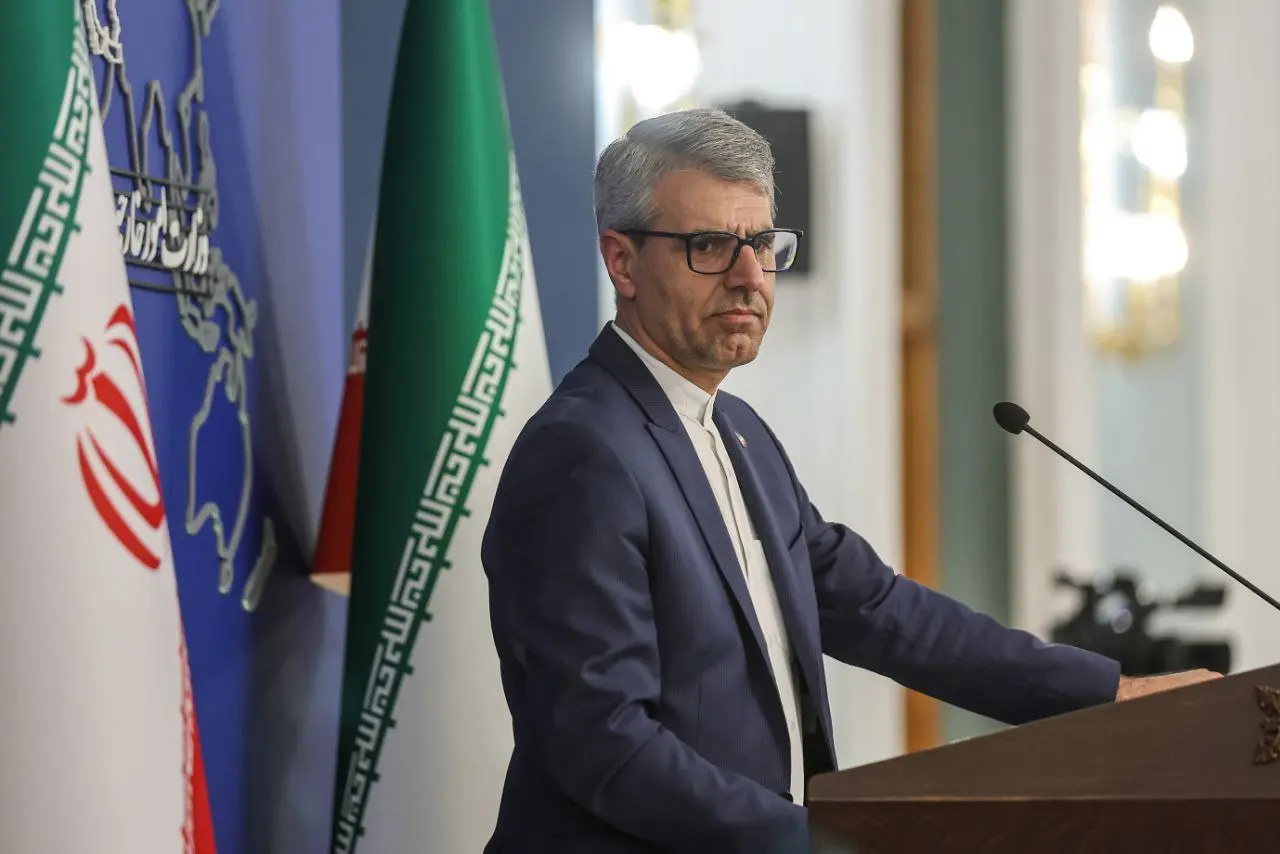
According to Yahoo News, Iranian Foreign Ministry Spokesperson Esmaeil Baqaei stated during a weekly press briefing that Tehran had no plans to hold direct talks with Washington.
Baqaei emphasized that current diplomatic efforts are exclusively focused on establishing a temporary safe route for shipping through the strategic waterway in consultation with Oman."We are not currently negotiating with the United States. Our negotiations are with Oman to secure passage through the Strait of Hormuz"
Esmaeil Baqaei, Foreign Ministry Spokesperson, via Middleeasteye
Further complicating the diplomatic picture, Naijanews reported that Iranian state media and officials rejected Trump's assertion that Tehran had asked him to suspend the attacks, labeling the claim a "new lie." Meanwhile, Aol noted that Trump declined to specify where the anticipated talks would take place or who would attend on behalf of Tehran.
Regional Diplomacy and Energy Markets
As the conflict enters its sixth month following the initial outbreak of hostilities on 28 February, regional actors have scrambled to prevent a wider escalation. Yahoo News and CBS News reported that Iranian Foreign Minister Abbas Araghchi held telephone consultations with Saudi and Pakistani leaders, including Saudi counterpart Prince Faisal bin Farhan and Pakistan's chief of staff, Gen. Asim Munir, to review regional security initiatives.
Saudi Arabia's Crown Prince Mohammed bin Salman also spoke with Trump over the phone, stressing the necessity of prioritizing dialogue to de-escalate tensions, as detailed by Middleeasteye. Trump acknowledged that Saudi Arabia, the United Arab Emirates, and Qatar had urged him against conducting the weekend strikes.
Global energy markets reacted swiftly to the shifting diplomatic signals. Aol reported that global oil prices fell on Monday morning in Asia trading, with Brent Crude down by 4.5% and US-traded oil dropping 4.6%, as traders weighed the temporary reprieve from military strikes against ongoing disruptions in the Strait of Hormuz, through which roughly 20% of the world's crude oil and liquefied natural gas typically flows.
Wider Conflict Dynamics
Beyond the immediate standoff over negotiations, tensions have rippled across multiple fronts. CBS News reported that Tehran threatened to take necessary measures following a 25 July strike by Ukraine that hit an Iranian commercial vessel in the Caspian Sea, killing one soldier and wounding another. While Ukrainian President Volodymyr Zelenskyy maintained the incident was unintentional, Iranian officials stated they are waiting to see if Kyiv will take practical steps to substantiate that claim.
Domestically, the war continues to face scrutiny. Yahoo News and CBS News noted that public information from the Pentagon has dwindled amid mounting costs, including dozens of service member casualties and billions in requested appropriations, while opinion polls show widespread domestic dissatisfaction with the handling of the conflict ahead of the coming November midterms.
What to Watch Next
- Whether formal or informal backchannel communications between Washington and Tehran materialize through regional intermediaries despite public denials.
- Further developments regarding the Omani-facilitated temporary maritime route through the Strait of Hormuz.
- Potential official updates from the US administration or the Iranian foreign ministry concerning the status of the stalled memorandum of understanding previously advanced by mediators.
How significant is this development?
Contribute your assessment to the aggregated reader sentiment ledger.
Frequently Asked Questions
Key questions answered in this reportWhat is the key development in: Iran denies Trump claim that new talks will begin on Monday?
Iran contradicted US President Donald Trump's assertion that bilateral talks would begin, as Washington halted planned military strikes.
Why is this World development significant for the UK?
This report covers critical events in our World beat. Independent reporting monitors related UK statements, regulatory shifts, and public responses as further verified details emerge.
How was this reporting corroborated and verified?
Newsarchy UK compiles and cross-references reporting from primary reporting from cbsnews.com and cross-checked wire reports. All coverage adheres to published editorial standards.
When was this report published?
This briefing was published on August 3, 2026 and is permanently cataloged in the Newsarchy UK World archives.