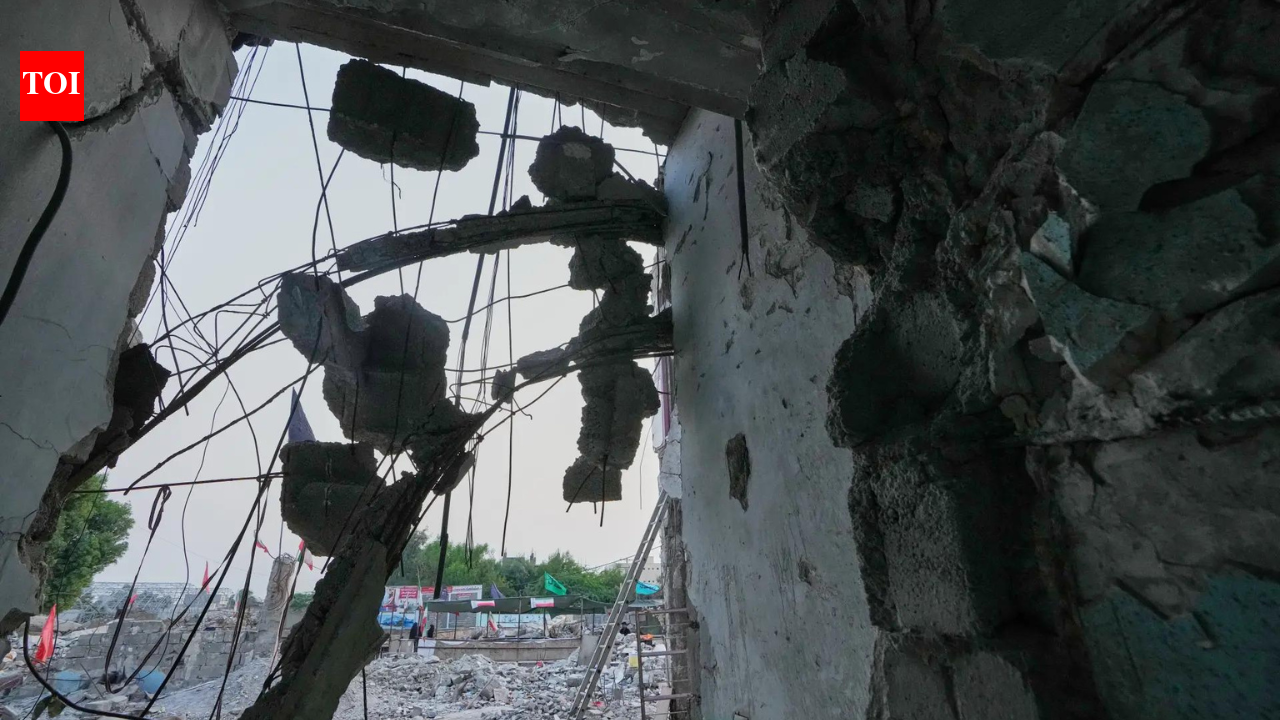
Iran hangs two men convicted of spying for Mossad amid war tensions
Iran's judiciary has publicly executed two men convicted of operating as Mossad spies and feeding military coordinates to Israel amid escalating regional wars.
- Core Development: Iran's judiciary has publicly executed two men convicted of operating as Mossad spies and feeding military coordinates to Israel amid escalating regional wars.
- Beat Context: Categorized under World with independent corroboration.
- Reporting Depth: 3 minute analytical read synthesized from verified newsroom sources.
Iran’s judiciary carried out two public hangings on Monday, putting an end to the lives of Omid Behzad and Pouria Safvat, whom state media say were Mossad operatives feeding Tehran’s military coordinates to Israel during the “12‑day war” of June 2025 and the “Ramadan War” that erupted in February 2026.
According to the state‑run Fars News Agency, the pair transmitted “images, precise geographic coordinates, and operational information regarding military and security centres” to Mossad handlers, enabling “targeted attacks against those facilities.” Iranian prosecutors cited intercepted communications as proof, and one captured message read:
Media additions
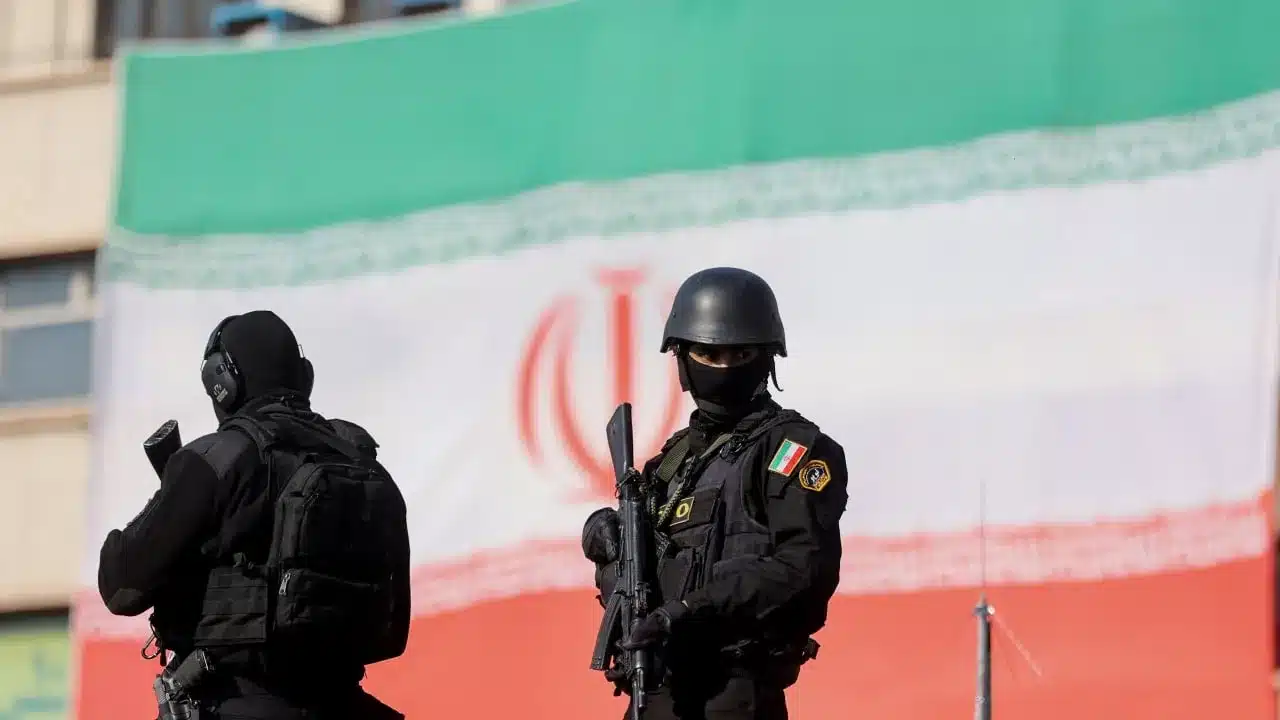

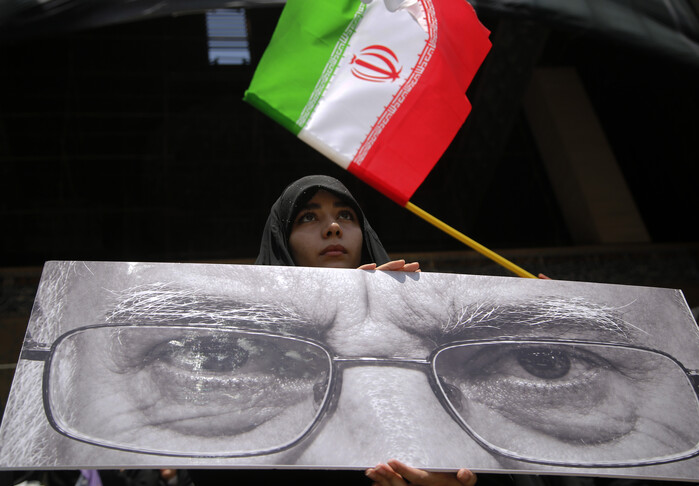
“I also have the video of them firing from this centre towards a drone or fighter jet, but the internet is weak and it won’t send; thank you, soldiers of His Holiness Moses!”
Both the judiciary’s media outlet Mizan and the state news agency IRNA confirmed the hangings, stating the men were convicted of “espionage and collaboration with the Zionist regime.” The court did not disclose the dates of arrest or trial.
Conflicting narratives from Tehran and the West
The Iranian foreign ministry, speaking through spokesperson Esmaeil Baghaei, framed the executions as part of a broader effort to “crack down on intelligence‑gathering networks inside the country during periods of heightened military conflict.” Baghaei added that while a safe‑shipping agreement for the Strait of Hormuz is “a necessary condition… not sufficient,” Tehran will not reopen the waterway until “US aggression” ends.
Western outlets stress the broader human‑rights implications. The Independent noted that Iran ranks second worldwide for death‑penalty use, echoing Amnesty International’s condemnation of an “escalation in executions” after earlier crackdowns on protestors. Naija News cited Iran Human Rights, which recorded at least 1,639 executions in 2025 – the highest tally since 1989.
Meanwhile, the United States’ position appears fluid. Cnbctv18 reported President Donald Trump’s public pause on a planned strike, after appeals from Saudi Arabia, Qatar, the UAE and Iran itself. Trump told supporters that “it was going to be the biggest attack since World War II, but they asked us not to do it.” The same outlet said that negotiations, mediated by Pakistan and Qatar, are proceeding indirectly, even as talks over Hormuz with Oman remain inconclusive.
Timeline of key events surrounding the executions
- June 2025 – “12‑day war” between Tehran and Tel Aviv sees Israeli air strikes; Behzad and Safvat allegedly begin transmitting coordinates.
- February 28 2026 – US and Israeli forces launch coordinated strikes on Iranian positions, marking the start of the “Ramadan War.”
- July 24 2026 – A 13‑day exchange of strikes between the US and Iran concludes, following a June 18 memorandum of understanding.
- January 2026 – Iran executes another Mossad‑linked individual, Ali Ardestani, for passing classified material in exchange for cryptocurrency.
- August 3 2026 – The judiciary publicly hangs Behzad and Safvat; state media releases footage of the executions.
Expert and regional context
Analysts note that the executions coincide with a “wave of executions over alleged espionage” that began after Iran’s internal protests were violently suppressed in January. WebIndia123 quoted the Norway‑based Iran Human Rights group, which described the 2025 execution surge as “unprecedented” in the past 35 years.
Turkey’s foreign ministry, likewise cited by CnbcTV18, accused Israeli Prime Minister Benjamin Netanyahu of undermining peace efforts, arguing that continued Gaza strikes “show it has no intention of reaching a settlement with the Palestinians.”
How significant is this development?
Contribute your assessment to the aggregated reader sentiment ledger.
Frequently Asked Questions
Key questions answered in this reportWhat is the key development in: Iran hangs two men convicted of spying for Mossad amid war tensions?
Iran's judiciary has publicly executed two men convicted of operating as Mossad spies and feeding military coordinates to Israel amid escalating regional wars.
Why is this World development significant for the UK?
This report covers critical events in our World beat. Independent reporting monitors related UK statements, regulatory shifts, and public responses as further verified details emerge.
How was this reporting corroborated and verified?
Newsarchy UK compiles and cross-references reporting from primary reporting from naijanews.com and cross-checked wire reports. All coverage adheres to published editorial standards.
When was this report published?
This briefing was published on August 3, 2026 and is permanently cataloged in the Newsarchy UK World archives.