Iran security chief threatens neighbors over US economic war
Iran's security chief has warned neighboring countries that joining US economic pressure campaigns will result in direct retaliation against their commercial interests.
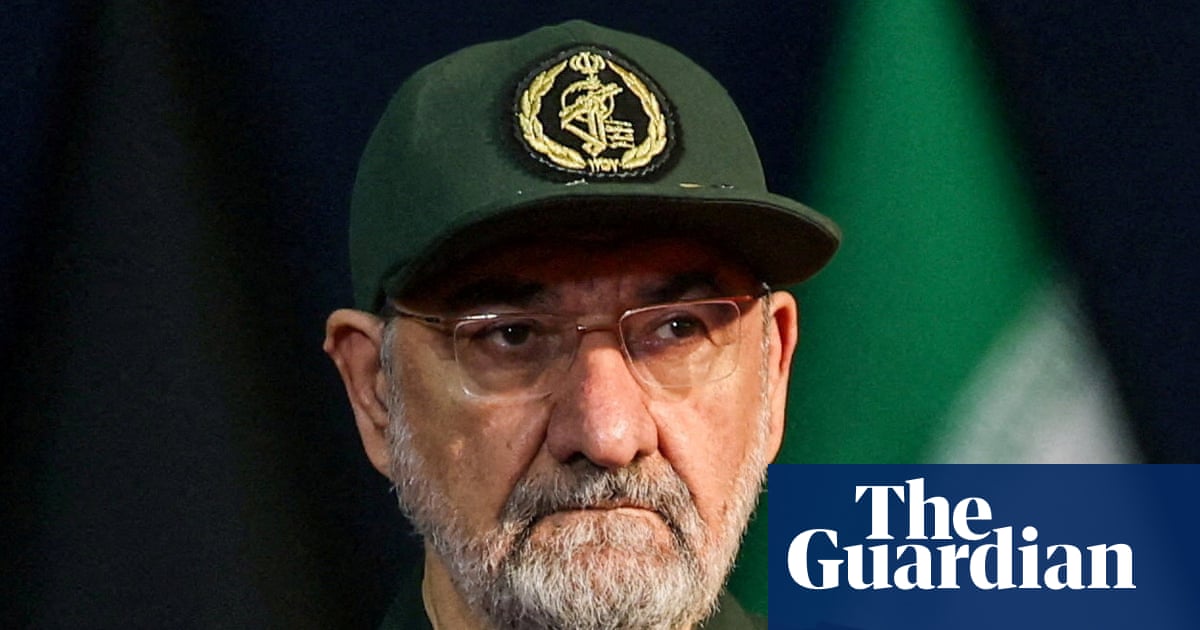
- Core Development: Iran's security chief has warned neighboring countries that joining US economic pressure campaigns will result in direct retaliation against their commercial interests.
- Beat Context: Categorized under World with independent corroboration.
- Reporting Depth: 3 minute analytical read synthesized from verified newsroom sources.
Iran’s newly appointed security chief has issued a stark warning to neighbouring countries, declaring that any state joining American economic pressure campaigns will be treated as an enemy and face direct retaliation against its commercial interests. The hardline stance was delivered in an extensive television interview, marking the most significant public intervention by the official since taking charge of the supreme national security council.
The escalation comes as the ongoing conflict in the Middle East approaches its sixth month according to reporting by The Guardian. The war, initiated by a combined US and Israeli offensive on 28 February, saw its initial ceasefire agreement collapse in June. Tehran currently maintains effective control over the Strait of Hormuz, a critical maritime corridor that previously handled a significant share of global oil supplies.
Media additions
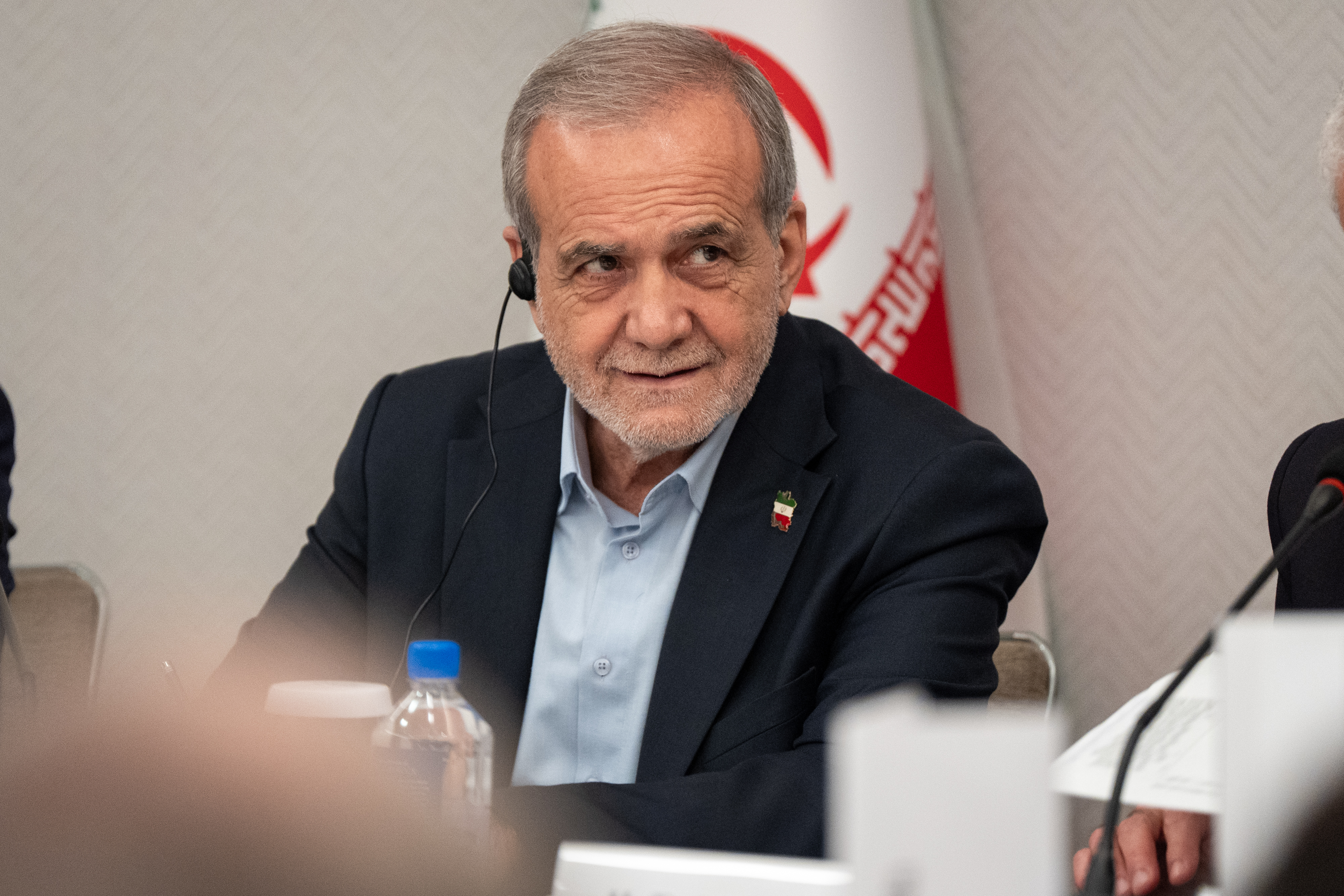
During his broadcasted remarks, the security official stated that while previous Iranian countermeasures had strictly targeted military installations, future retaliation would expand to US economic assets and companies operating regionally and internationally if sanctions intensify. Aol reported that the official also accused Washington of worsening global nuclear insecurity, arguing that participation in international monitoring frameworks had failed to shield Tehran from foreign attack.
In parallel, the diplomatic and logistical landscape surrounding the vital waterway is shifting rapidly. While major trading partners such as the United Arab Emirates have suspended trade and financial transactions with Tehran, other regional actors are navigating the crisis through distinct channels. Iraqi and Iranian authorities confirmed that certain oil tankers carrying Iraqi shipments have been granted passage through the strait, though specific operational terms remain undisclosed.
At the same time, international efforts to bypass the blockaded waterway are gaining momentum. European and Middle Eastern capitals are actively exploring alternative energy and transport corridors to reduce reliance on the contested route:
- Expanding and doubling existing oil pipelines across Saudi Arabia and other regional territories.
- Increasing commercial trade volume through Omani ports located outside the Persian Gulf.
- Developing new rail links.
- Establishing a joint ministerial taskforce between France and Saudi Arabia to secure project financing and infrastructure roles.
Foreign ministry officials from Egypt and Iran have held discussions aimed at reviving direct negotiations between Tehran and Washington, while separate communication channels have been maintained with regional military leadership.
Meanwhile, US President Donald Trump has escalated rhetorical claims regarding the waterway, repeatedly describing the strait in public statements and social media posts as an American territory enforced by ongoing naval blockades. These assertions have drawn sharp divisions, contrasting with broader regional maneuvers and ongoing bilateral talks between Tehran and Oman regarding maritime management and potential transit fees.
What to watch next
As diplomatic and military tensions persist, several key events will shape the coming days:
- A scheduled ministerial-level meeting between French and Saudi officials to evaluate strategic energy logistics and infrastructure financing projects.
- Further diplomatic outreach led by regional mediators, including Egypt, to test the viability of renewed US-Iran talks.
- Potential developments regarding the management and fee structures negotiated between Tehran and cross-strait neighbor Oman.
- Ongoing responses from international trading partners facing pressure to comply with US economic isolation policies or risk sweeping secondary penalties.
How significant is this development?
Contribute your assessment to the aggregated reader sentiment ledger.
Frequently Asked Questions
Key questions answered in this reportWhat is the key development in: Iran security chief threatens neighbors over US economic war?
Iran's security chief has warned neighboring countries that joining US economic pressure campaigns will result in direct retaliation against their commercial interests.
Why is this World development significant for the UK?
This report covers critical events in our World beat. Independent reporting monitors related UK statements, regulatory shifts, and public responses as further verified details emerge.
How was this reporting corroborated and verified?
Newsarchy UK compiles and cross-references reporting from primary reporting from theguardian.com and cross-checked wire reports. All coverage adheres to published editorial standards.
When was this report published?
This briefing was published on August 23, 2026 and is permanently cataloged in the Newsarchy UK World archives.