US and Iran trade strikes on infrastructure as regional tensions escalate
Tensions between the US and Iran have surged as both nations launch military strikes against infrastructure, raising concerns about regional stability.

- Core Development: Tensions between the US and Iran have surged as both nations launch military strikes against infrastructure, raising concerns about regional stability.
- Beat Context: Categorized under World with independent corroboration.
- Reporting Depth: 3 minute analytical read synthesized from verified newsroom sources.
The conflict between the United States and Iran entered a volatile new phase on Friday, 17 July 2026, as both nations expanded their military objectives to include critical infrastructure. The shift marks a departure from previous engagements, raising significant concern among international observers regarding the stability of the Middle East and the security of global energy supplies.
The latest cycle of hostilities began when US forces targeted bridges in southern Iran. According to Sky News, the US military’s Central Command confirmed it had specifically targeted "military logistics infrastructure" during the seventh consecutive night of air strikes. Reports from Iranian state media indicate that at least five bridges were struck, with casualties reported in the port of Bandar Khamir. Iranian Foreign Minister Abbas Araqchi stated that three villagers were killed in these bridge attacks, according to reporting by The Detroit News.
Media additions

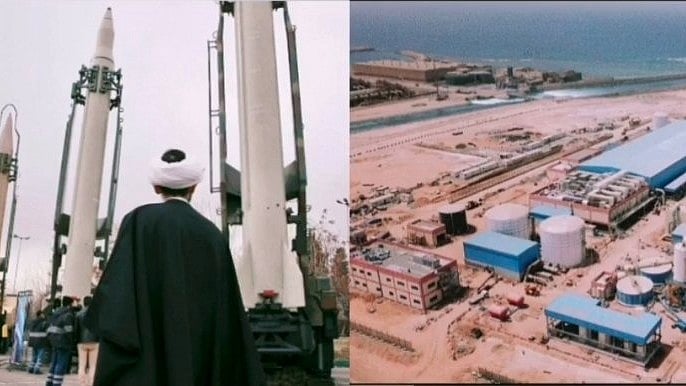
Tehran retaliated by striking a power generation and water desalination plant in Kuwait. Authorities in Kuwait confirmed that the attack caused a fire and disrupted electricity generation units, noting that such facilities are essential for sustaining life in the region's desert cities. Abc News reported that explosions were also heard in Doha, where local officials said a child was wounded by shrapnel.
The escalation has further constricted maritime security in critical trade routes. Renewed conflict has interrupted energy shipments from the Gulf, with US Marines boarding a tanker near the Strait of Hormuz to enforce a blockade on Iranian ports. Simultaneously, Iranian media claimed that the Revolutionary Guards navy targeted a Thai-flagged vessel. Cbc reports that two oil tankers exploded after navigating a mined route south of the strait. Additionally, a chemical tanker was seized by armed men off the coast of Yemen, though maritime security analysts cited by ThePrint suggest this incident may be linked to Somali piracy rather than state-sponsored actors.
Escalation Dynamics
- Diplomatic Status: The interim ceasefire agreement, which had been in place since last month, collapsed on 7 July 2026.
- Strategic Warnings: Mohsen Rezaei, an adviser to Iran's supreme leader, stated,
"If US strikes continue for several more days, we will move into a phase of full-scale offensive operations,"
Mohsen Rezaei, adviser to Iran's supreme leader, via Reuters - International Concern: United Nations Secretary-General António Guterres issued a statement through his spokesperson expressing alarm over the targeting of civilian infrastructure across the region.
- Economic Impact: Brent crude oil prices rose 3% on Friday as markets reacted to the potential for prolonged supply chain disruptions in the Gulf and the Red Sea.
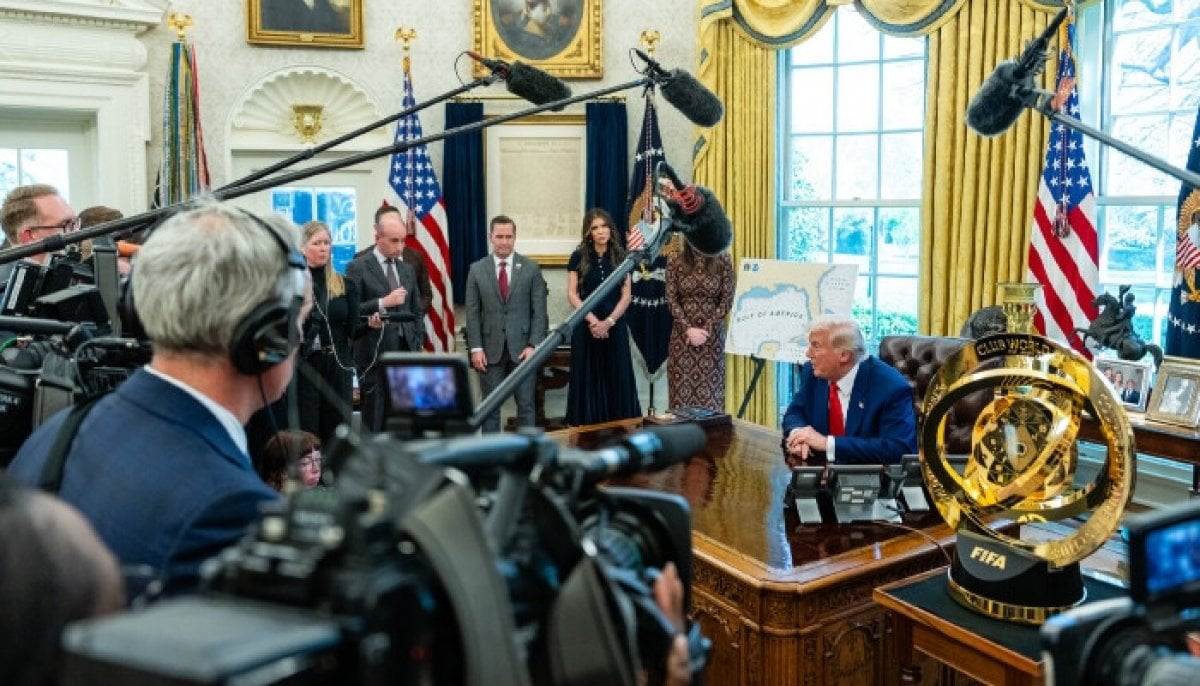
The current instability is complicated by Tehran's signaling that it may leverage its allies in Yemen to disrupt the Bab al-Mandeb strait, effectively blocking the primary alternative route for oil tankers seeking to bypass the Persian Gulf. As noted by Yahoo News, Washington has re-imposed its own blockade on Iranian ports while President Donald Trump has refused to rule out the possibility of a ground assault on Iranian territory.
With US officials describing the current strikes as a means to provide the administration with broader military options, the prospect of a return to full-scale war remains a central concern for the coming week.
How significant is this development?
Contribute your assessment to the aggregated reader sentiment ledger.
Frequently Asked Questions
Key questions answered in this reportWhat is the key development in: US and Iran trade strikes on infrastructure as regional tensions escalate?
Tensions between the US and Iran have surged as both nations launch military strikes against infrastructure, raising concerns about regional stability.
Why is this World development significant for the UK?
This report covers critical events in our World beat. Independent reporting monitors related UK statements, regulatory shifts, and public responses as further verified details emerge.
How was this reporting corroborated and verified?
Newsarchy UK compiles and cross-references reporting from primary reporting from theprint.in and cross-checked wire reports. All coverage adheres to published editorial standards.
When was this report published?
This briefing was published on July 18, 2026 and is permanently cataloged in the Newsarchy UK World archives.