Trump threatens Canada with tariffs over wildfire smoke in US cities
President Trump threatened to impose tariffs on Canadian exports, citing 'willful negligence' regarding wildfire smoke affecting US air quality. Canadian officials rejected the accusations, noting the shared nature of the climate crisis and highlighting Canada's history of disaster aid.
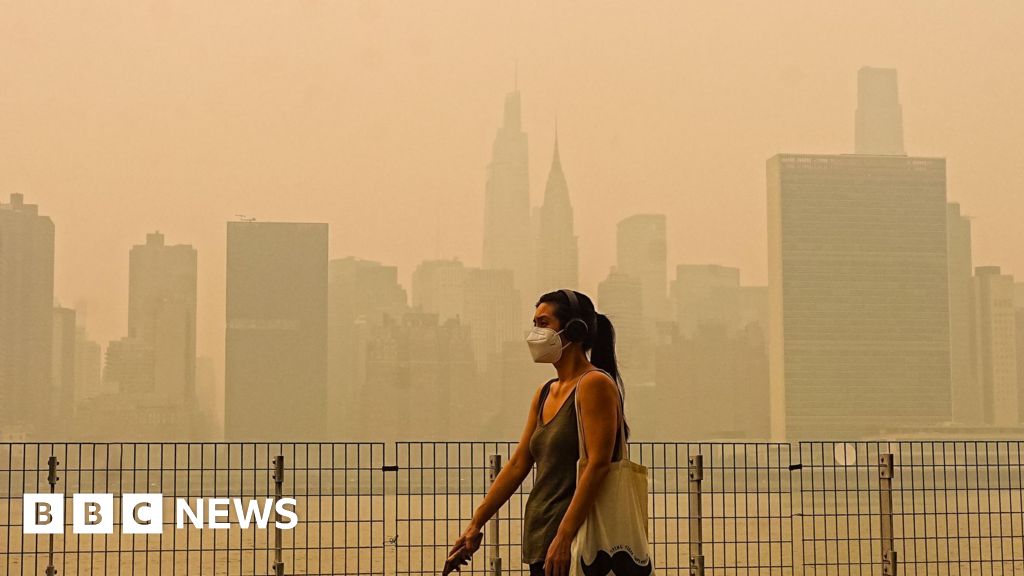
- Core Development: President Trump threatened to impose tariffs on Canadian exports, citing 'willful negligence' regarding wildfire smoke affecting US air quality. Canadian officials rejected the accusations, noting the shared nature of the climate crisis and highlighting Canada's history of disaster aid.
- Beat Context: Categorized under World with independent corroboration.
- Reporting Depth: 3 minute analytical read synthesized from verified newsroom sources.
United States President Donald Trump issued a formal threat on Friday, 17 July 2026, to impose additional tariffs on Canada, citing the "willful negligence" of Ottawa in managing its forests and brush. The announcement, delivered via social media, follows a week of severe air quality degradation across the American Midwest, Northeast, and Mid-Atlantic regions, caused by smoke drifting south from hundreds of active wildfires burning in Canada and northern Minnesota.
The President characterized the presence of wildfire smoke in American cities as an "invasion" of "filthy, polluted, and unhealthy air," stating that the economic cost of the pollution must be recovered through increased levies on Canadian exports.
Media additions

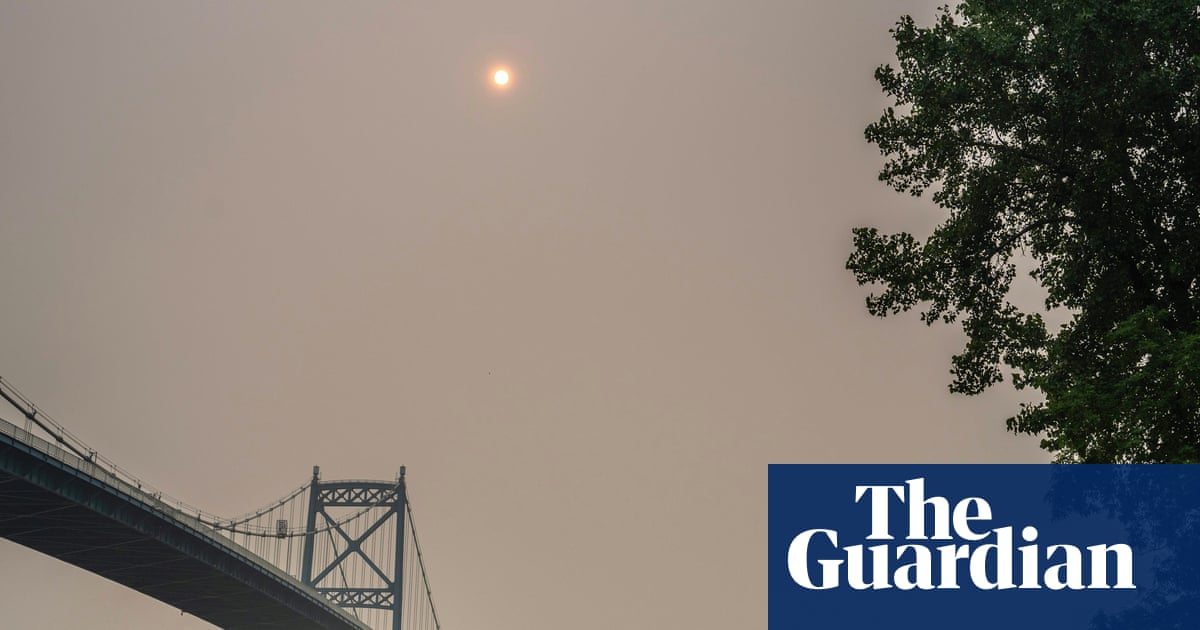
The political pressure on Canada has intensified as US lawmakers, particularly from Michigan, ramped up rhetoric against their northern neighbour. A group of Michigan Republican representatives wrote to Canadian Prime Minister Mark Carney this week, claiming that their "patience has run out" regarding the annual recurrence of smoke. The legislators suggested that if Canada does not implement more aggressive forest thinning, fuel reduction, and prescribed burns, the United States might look to act independently to protect its citizens.
Republican Senator Bernie Moreno of Ohio has indicated plans to introduce legislation next week intended to sanction the Canadian government and its officials over the situation. Meanwhile, other political figures have used the crisis to revive previous suggestions that Canada should be incorporated as the 51st US state, or have called for the suspension of ongoing infrastructure projects, such as the Gordie Howe International Bridge.
Canadian officials have pushed back against the accusations. Prime Minister Mark Carney noted on Thursday that the climate crisis is a shared responsibility, stating:
"Climate change is everyone's responsibility — truly everyone's — including the United States."
Mark Carney, Prime Minister, via BBC
Ontario Premier Doug Ford, whose province is currently managing over 190 of the approximately 900 active wildfires burning across Canada, rejected the suggestion of negligence. He pointed out that Canada has a long-standing history of providing aid to the US during natural disasters, such as assisting with wildfires in California and recovery efforts following hurricanes in North Carolina.
"Maybe what you should do rather than complain is send support, send help, because we have done the exact same thing for our American friends, and that’s what you’re supposed to do."
Doug Ford, Premier of Ontario, via The Guardian
The operational reality on the ground remains dire. The Canadian Wildland Fire Information System reports that nearly 3 million hectares of land have been consumed. Among the affected areas, the Namaygoosisagagun First Nation community in northern Ontario was reportedly levelled by fire, with residents forced to self-evacuate by boat. In the US, the air quality index in cities like Detroit, Chicago, and Washington, DC, frequently registered as "hazardous," forcing the closure of outdoor events and public facilities.
Scientists and weather experts note that the situation is driven by a combination of sustained hot, dry weather and long-term climatic shifts that are extending the duration and intensity of the wildfire season. While local management is a factor, experts emphasize that weather patterns do not respect national borders and that smoke from US fires has historically impacted Canada as well.
The situation carries implications for major upcoming events, including the FIFA World Cup final scheduled for Sunday, 19 July 2026, at MetLife Stadium in New Jersey. Organizers are monitoring conditions closely, though meteorologists hold some hope that weekend storms may provide temporary relief for the region.
What to Watch Next
- Weekend Weather: Forecasters anticipate that rain and thunderstorms across the Northeast and Mid-Atlantic may dampen the smoke plumes, potentially improving air quality before Sunday's major events.
- Legislative Action: Senator Bernie Moreno is expected to introduce a bill on Monday, 20 July 2026, aimed at imposing sanctions on Canadian government officials.
- Diplomatic Engagement: The Canadian government has stated that diplomatic efforts are underway to discuss the emergency with US counterparts, with Minister of Emergency Management Eleanor Olszewski emphasizing continued investments in forest sustainability.
This escalating trade and environmental tension represents a significant test for the US-Canada relationship, which has already experienced friction regarding trade agreements and border policies during the current administration.
How significant is this development?
Contribute your assessment to the aggregated reader sentiment ledger.
Frequently Asked Questions
Key questions answered in this reportWhat is the key development in: Trump threatens Canada with tariffs over wildfire smoke in US cities?
President Trump threatened to impose tariffs on Canadian exports, citing 'willful negligence' regarding wildfire smoke affecting US air quality. Canadian officials rejected the accusations, noting the shared nature of the climate crisis and highlighting Canada's history of disaster aid.
Why is this World development significant for the UK?
This report covers critical events in our World beat. Independent reporting monitors related UK statements, regulatory shifts, and public responses as further verified details emerge.
How was this reporting corroborated and verified?
Newsarchy UK compiles and cross-references reporting from primary reporting from bbc.com and cross-checked wire reports. All coverage adheres to published editorial standards.
When was this report published?
This briefing was published on July 18, 2026 and is permanently cataloged in the Newsarchy UK World archives.


