Mediators push to salvage Iran-US diplomacy after ceasefire collapse
International mediators are working to restore talks as the US-Iran ceasefire dissolves following military strikes and disputes over the Strait of Hormuz.
- Core Development: International mediators are working to restore talks as the US-Iran ceasefire dissolves following military strikes and disputes over the Strait of Hormuz.
- Beat Context: Categorized under World with independent corroboration.
- Reporting Depth: 3 minute analytical read synthesized from verified newsroom sources.
International mediators are scrambling to stabilize a fracturing diplomatic process as the United States and Iran exchange fire, threatening to dismantle a ceasefire agreement that was designed to de-escalate regional hostilities. The current crisis, anchored in a dispute over the strategic Strait of Hormuz, follows a collapse of the truce earlier this week when both nations launched renewed military operations.
The latest escalation began on Tuesday after Iran allegedly targeted commercial shipping vessels navigating the waterway. In response, the United States military conducted extensive strikes, hitting approximately 90 targets across Iran. According to the Iranian Ministry of Health, the US military actions resulted in 17 deaths and 115 injuries as of Saturday, 11 July 2026. The fighting has since expanded, with Tehran launching retaliatory strikes against US-allied sites in Bahrain, Kuwait, Qatar, and Jordan.
Media additions

President Donald Trump, while confirming that the United States would continue to engage in diplomatic discussions, has maintained that the formal ceasefire is no longer active. Writing on his Truth Social platform, Trump stated that the Cease Fire is OVER
. He further heightened the rhetoric on Friday, declaring that he had authorized the military to completely decimate and destroy
areas of Iran should the country attempt to assassinate him.
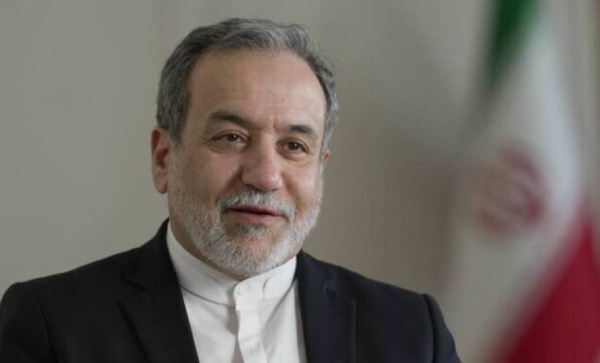
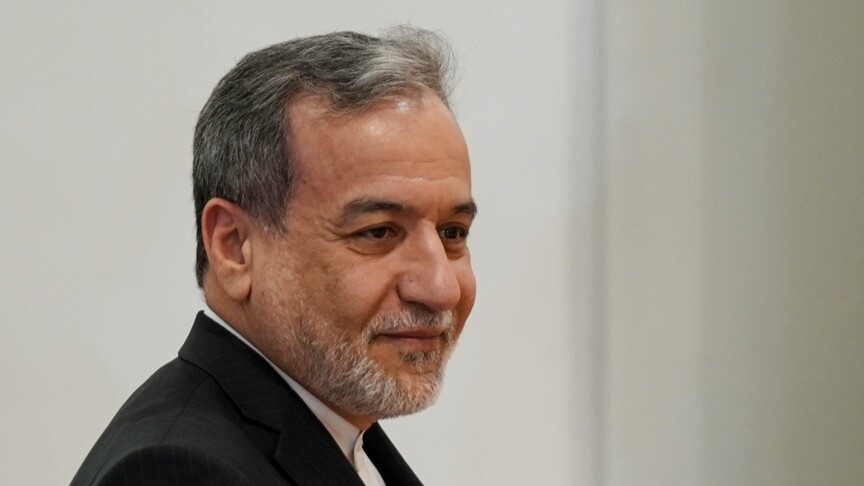
Despite the official dissolution of the ceasefire, back-channel diplomacy remains active. Iranian Foreign Minister Abbas Araghchi arrived in Muscat on Saturday to conduct high-level consultations with Omani officials. The discussions are centered on Article 5 of the Islamabad memorandum of understanding, which mandates that Iran and Oman coordinate on the administration of the Strait of Hormuz and the provision of maritime services. A Qatari delegation, acting as a lead mediator, has also been dispatched to Tehran to reinforce efforts to de-escalate the situation, according to reports from Iranian state media.
The management of the strait remains the primary obstacle to a lasting peace. Iran has expressed a desire to exert control over the waterway and implement service fees for commercial vessels—a move Washington and its allies have rejected as unacceptable. Tehran argues that its actions are consistent with its sovereign rights as a coastal state and has accused the US of violating the memorandum by imposing new sanctions and increasing regional troop deployments. The Islamic Republic of Iran has asked us to continue 'talks.' We have agreed to do so, but the United States has stated to them, in no uncertain terms, that the Cease Fire is OVER!
Trump asserted.
The diplomatic friction is complicated by conflicting internal stances. Chief negotiator Mohammad Bagher Ghalibaf stated that the confrontation would not end with Iran's surrender. Simultaneously, the US continues to utilize economic pressure, with the Treasury Department recently sanctioning a Dubai-based Iranian financier and associated entities for allegedly diverting funds to the Islamic Revolutionary Guard Corps.
What to watch next
- Mediator Activity: Qatari and Pakistani officials continue to move between Washington and Tehran to maintain open communication channels despite the absence of a formal ceasefire.
- Shipping Traffic: Monitoring of daily vessel crossings through the Strait of Hormuz will provide a barometer for the impact of ongoing threats on global energy flows and trade.
The current volatility has had immediate impacts on the global economy. Fuel prices saw an increase on Friday, with the national average for gasoline in the US rising. Meanwhile, shipping giants are navigating a complex environment; Maersk announced it would resume services via the Suez Canal to avoid the risks associated with the Persian Gulf, though vessels currently trapped in the Gulf remain reliant on the volatile transit through the Strait of Hormuz.
As Araghchi begins his talks in Oman, the broader region remains on high alert. Ayatollah Mojtaba Khamenei pledged in a statement to exact revenge for the blood of martyrs from the current conflicts. With the US military maintaining a readiness posture and Iran asserting that it will not accept a return to pre-war administrative arrangements in the strait, the path to restoring the fragile diplomatic framework remains highly uncertain.
How significant is this development?
Contribute your assessment to the aggregated reader sentiment ledger.
Frequently Asked Questions
Key questions answered in this reportWhat is the key development in: Mediators push to salvage Iran-US diplomacy after ceasefire collapse?
International mediators are working to restore talks as the US-Iran ceasefire dissolves following military strikes and disputes over the Strait of Hormuz.
Why is this World development significant for the UK?
This report covers critical events in our World beat. Independent reporting monitors related UK statements, regulatory shifts, and public responses as further verified details emerge.
How was this reporting corroborated and verified?
Newsarchy UK compiles and cross-references reporting from primary reporting from cbsnews.com and cross-checked wire reports. All coverage adheres to published editorial standards.
When was this report published?
This briefing was published on July 11, 2026 and is permanently cataloged in the Newsarchy UK World archives.


