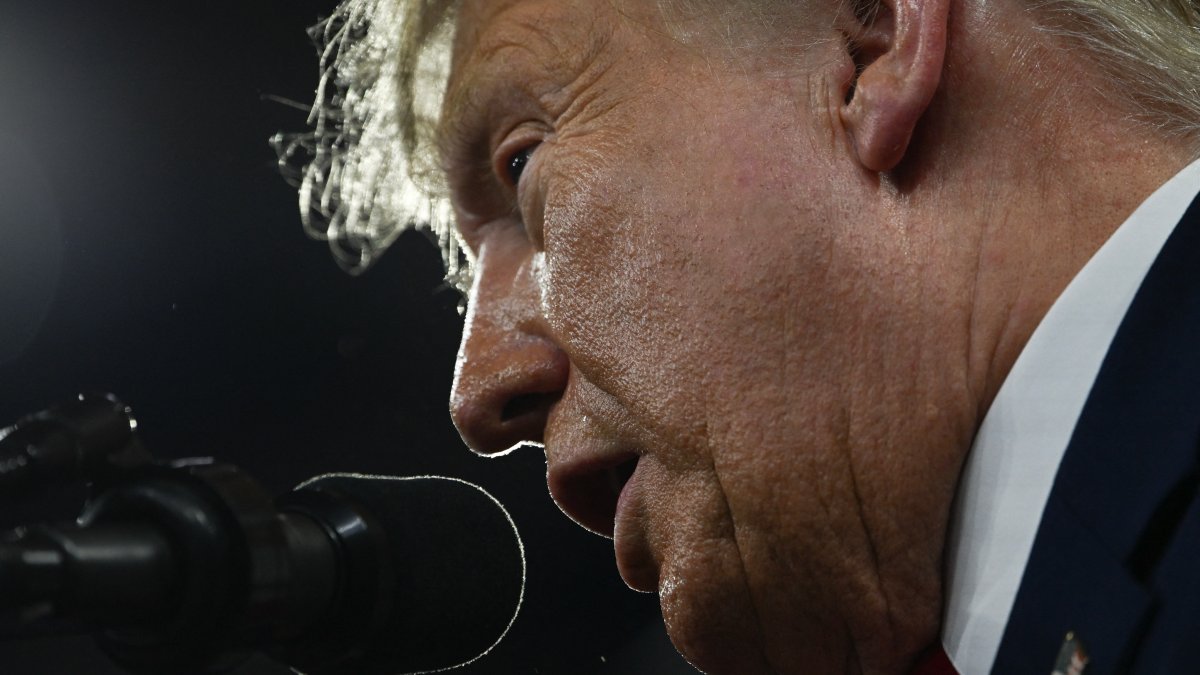
Trump imposes 50% tariffs on Canada
President Trump has signed proclamations imposing 50 percent duties on a wide range of Canadian imports, marking a significant escalation in trade tensions. The move, invoking the Tariff Act of 1930, affects $20 billion in goods and impacts ongoing USMCA-related discussions.
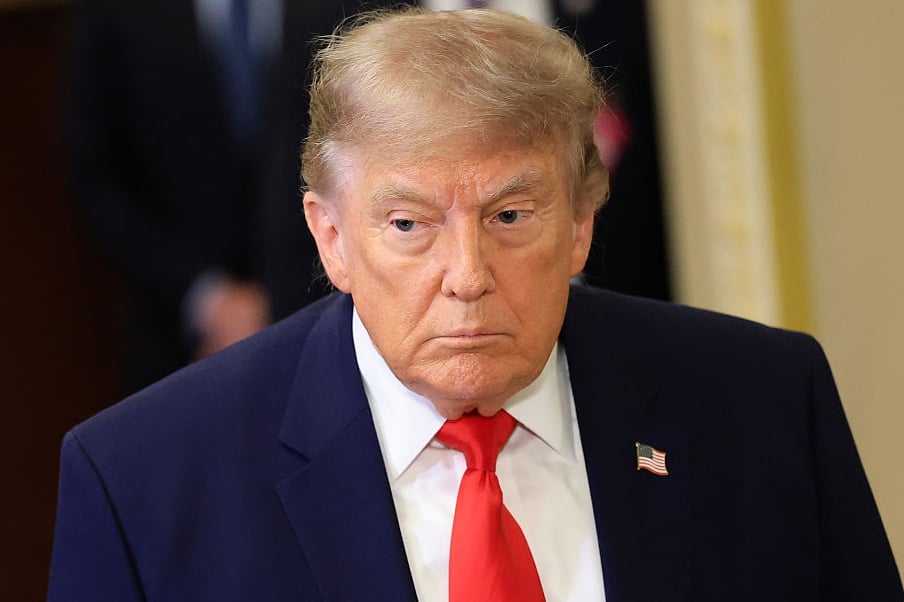
- Core Development: President Trump has signed proclamations imposing 50 percent duties on a wide range of Canadian imports, marking a significant escalation in trade tensions. The move, invoking the Tariff Act of 1930, affects $20 billion in goods and impacts ongoing USMCA-related discussions.
- Beat Context: Categorized under World with independent corroboration.
- Reporting Depth: 5 minute analytical read synthesized from verified newsroom sources.
President Donald Trump signed three proclamations on Monday that impose a 50 percent duty on a broad swathe of Canadian imports. The measures, announced in a White House fact sheet, target everyday items such as wine, hockey sticks and cement while sparing energy, potash, critical minerals and fish. The duties will take effect 30 days after the signatures, adding a new layer to an already intricate web of North‑American trade restrictions.
The legal footing for the action is Section 338 of the Tariff Act of 1930, a little‑used provision that permits the United States to levy duties against countries deemed to be engaging in discriminatory trade practices. By invoking this statute, the administration sidestepped the International Emergency Economic Powers Act, which the Supreme Court struck down earlier in the year as an overreach for broad tariff programmes.
Media additions


U.S. Trade Representative Jamieson Greer defended the move, stating, “While the Administration continues to secure fair and reciprocal trade deals with our trading partners, Canada, unlike other partners and allies, continues to retaliate against the United States for its efforts to rebalance trade and protect US industry in national‑security sensitive sectors.”
“While the Administration continues to secure fair and reciprocal trade deals with our trading partners, Canada, unlike other partners and allies, continues to retaliate against the United States for its efforts to rebalance trade and protect US industry in national‑security sensitive sectors.”
Jamieson Greer, U.S. Trade Representative, via News24
Canadian Prime Minister Mark Carney characterised the tariffs as “the latest in a series of unilateral US trade actions that began with the US imposing a series of tariffs in direct violation of the Canada‑United States‑Mexico Agreement.” He added that Ottawa has already submitted “comprehensive proposals to resolve disputes” and is ready to intensify discussions with Washington.
“This is the latest in a series of unilateral US trade actions that began with the US imposing a series of tariffs in direct violation of the Canada‑United States‑Mexico Agreement.”
Mark Carney, Prime Minister of Canada, via News24
Ontario Premier Doug Ford reacted on social media, warning that “Canada should respond tariff for tariff, dollar for dollar” if the duties are enforced.
“If these tariffs proceed, Canada should respond tariff for tariff, dollar for dollar.”
Doug Ford, Premier of Ontario, via BusinessGhana
The impact assessment released by the U.S. Trade Representative’s office estimates that the new duties will affect nearly $20 billion of Canadian imports, roughly a fifth of the total annual flow of goods between the two neighbours. That figure sits alongside a backdrop of active tariffs that already range from 15 percent to 50 percent on Canadian steel, aluminium and copper, a 35 percent levy on softwood lumber, and a 25 percent tax on non‑U.S. Parts used in automobiles.
Canada has responded in kind with a 25 percent counter‑tariff on selected imports of American steel, aluminium and vehicles, a measure that was first introduced after the United States began its post‑2025 tariff campaign. The two sides have thus settled into a pattern of reciprocal duties that threatens to spill over into broader sectors of the North‑American economy.
Beyond the immediate tariff list, the proclamations outline three long‑standing grievances that have plagued the bilateral relationship: alleged discrimination in the automotive sector, Canada’s supply‑management system for dairy, and the persistent boycott of U.S. Alcoholic beverages by most Canadian provinces. The automotive complaint centres on Canada’s tax on U.S. Motor vehicles and parts not covered by the USMCA, which the administration deems “unreasonable” and discriminatory.
Economist Michael Devereux of the University of British Columbia, speaking to BBC News, described the move as “a significant escalation because it directly targets goods that were previously exempt under the US, Canada, Mexico trade agreement that President Trump negotiated and signed himself in 2018.” He added that the decision appeared more like an “impulsive move that came from kind of a grudge that the US government and President Trump has against Canada.”
“It is a significant escalation because it directly targets goods that were previously exempt under the US, Canada, Mexico trade agreement that President Trump negotiated and signed himself in 2018.”
Michael Devereux, Professor of Economics, University of British Columbia, via BusinessGhana
Industry groups have sounded the alarm. Candance Laing, head of the Canadian Chamber of Commerce, urged officials to achieve “meaningful progress” in talks before the duties take effect. Chris Swonger, leader of the Distilled Spirits Council of the United States, warned that the decision “raises the risk of further retaliation.” Both statements underscore the fear that the tariff cycle could expand into additional product categories.
The timing of the new tariffs follows a recent Supreme Court ruling that invalidated a swathe of Trump‑initiated duties imposed under emergency powers. That decision forced the administration to pivot to Section 338, a law traditionally used for anti‑dumping cases rather than broad geopolitical disputes. The shift illustrates how the White House is adapting its legal strategy to maintain pressure on Canada while staying within judicially acceptable bounds.
Negotiations over the United States‑Mexico‑Canada Agreement (USMCA) have also stalled. Earlier this year, the United States declined to renew the pact in its current form, prompting Canada and Mexico to seek a refreshed agreement. The administration’s latest tariffs arrive amid those stalled talks, raising the spectre that the existing agreement—set to roll on an annual review basis for the next decade—could be further eroded if disputes remain unresolved.
Looking ahead, the 30‑day countdown sets a clear deadline for both governments. Analysts expect Ottawa to accelerate its diplomatic outreach, potentially leveraging the counter‑tariff framework to seek concessions on the automobile, dairy and alcohol fronts. In parallel, U.S. Officials have signalled readiness to adjust duties if reciprocal moves are taken, meaning that the next few weeks could see a rapid series of statements, filing of formal complaints, and perhaps a renewed invitation to sit down at the negotiating table.
Stakeholders on both sides are watching for three key developments: the formal activation of the 50 percent duties, any official response from the Canadian Treasury regarding the $20 billion import valuation, and the scheduling of high‑level talks that could either cement a new trade framework or deepen the tariff spiral. The outcome will shape not only bilateral commerce but also the broader stability of North‑American supply chains that have long relied on the USMCA’s predictability.
How significant is this development?
Contribute your assessment to the aggregated reader sentiment ledger.
Frequently Asked Questions
Key questions answered in this reportWhat is the key development in: Trump imposes 50% tariffs on Canada?
President Trump has signed proclamations imposing 50 percent duties on a wide range of Canadian imports, marking a significant escalation in trade tensions. The move, invoking the Tariff Act of 1930, affects $20 billion in goods and impacts ongoing USMCA-related discussions.
Why is this World development significant for the UK?
This report covers critical events in our World beat. Independent reporting monitors related UK statements, regulatory shifts, and public responses as further verified details emerge.
How was this reporting corroborated and verified?
Newsarchy UK compiles and cross-references reporting from primary reporting from businessghana.com and cross-checked wire reports. All coverage adheres to published editorial standards.
When was this report published?
This briefing was published on July 21, 2026 and is permanently cataloged in the Newsarchy UK World archives.