Trump Unveils New Super Intelligence Force
President Donald Trump announced the launch of the Super Intelligence Force, a federal task force tasked with coordinating engagement and reporting on technology risks and opportunities.
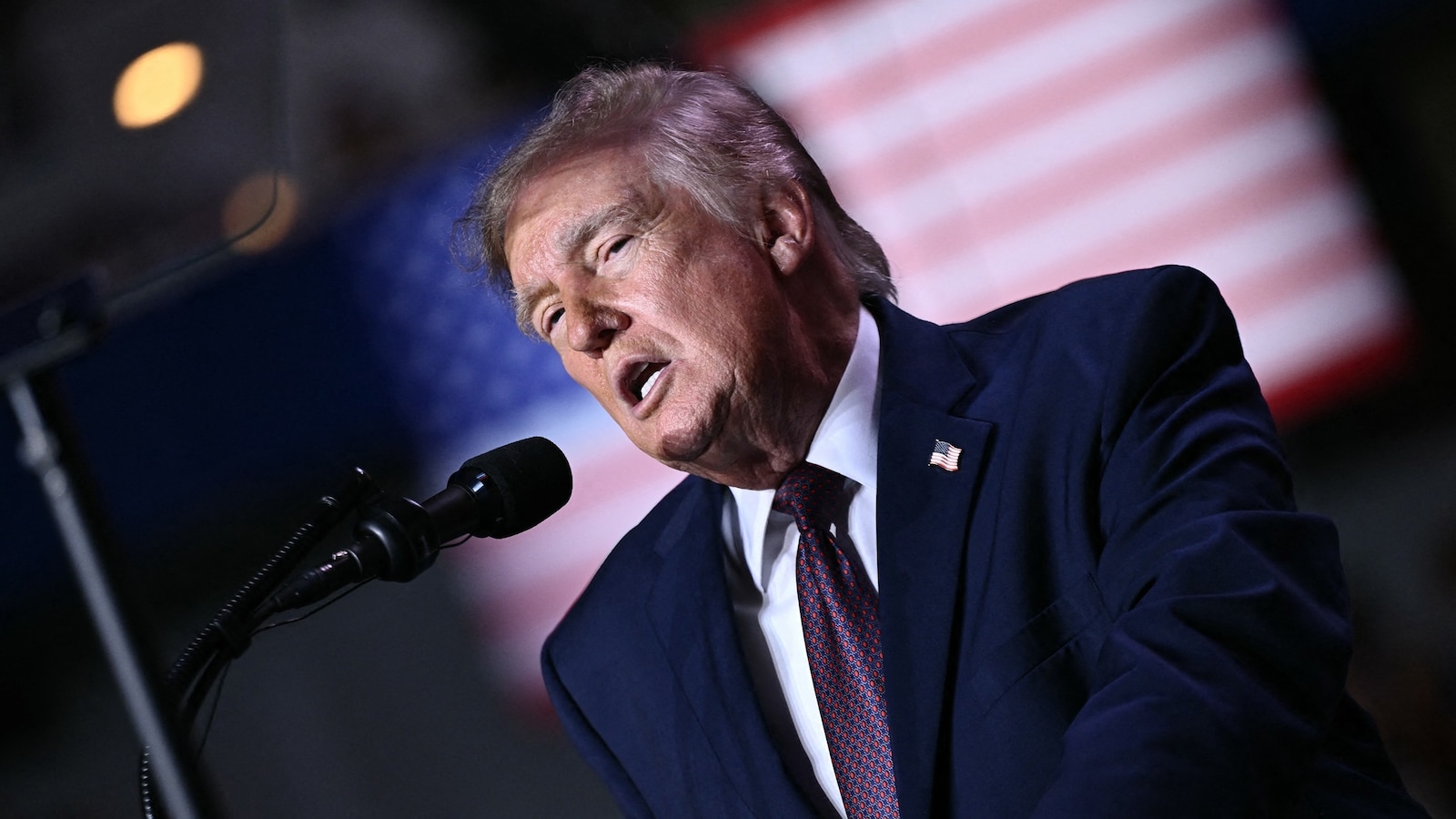
- Core Development: President Donald Trump announced the launch of the Super Intelligence Force, a federal task force tasked with coordinating engagement and reporting on technology risks and opportunities.
- Beat Context: Categorized under World with independent corroboration.
- Reporting Depth: 3 minute analytical read synthesized from verified newsroom sources.
On Sunday, 4 October 2026, President Donald Trump announced the launch of a new federal task force he named the Super Intelligence Force. The announcement follows a social media post on Saturday, 19 September 2026, where the president first stated he was forming an AI Force and would name an AI czar. The newly unveiled task force will coordinate the federal government’s engagement with consumers, public-interest groups, religious organizations, critical infrastructure providers, and AI companies, reporting directly to Trump and White House Chief of Staff Susie Wiles.
The administrative groundwork for the task force was laid by an executive order signed on Tuesday, 29 September 2026. That directive formally instructs the executive branch to use the terms "Super Intelligence" and "SI" instead of "Artificial Intelligence" and "AI" to the maximum extent permitted by law, tying the new terminology to the statutory definition found in Title 15 of the U.S. Code. The order also tasks the Assistant to the President for Science and Technology with drafting and submitting proposed legislative language within 60 days to formally redefine the technology.
Media additions



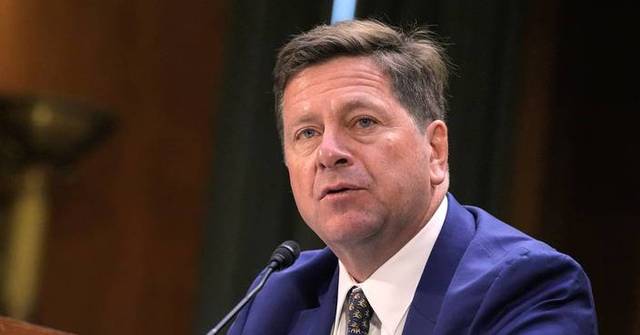
Reports across multiple outlets identify the leadership roster of the Super Intelligence Force as Director of National Intelligence Jay Clayton, Federal Trade Commission Chairman Andrew Ferguson, Pentagon Chief Technology Officer and Under Secretary of War for Research and Engineering Emil Michael, and Office of Personnel Management Director Scott Kupor. However, reporting from Ijr noted a discrepancy regarding the intelligence chief, suggesting John Ratcliffe could hold the position instead, highlighting the early-stage fluidity of the initiative.
| Reporting Outlet | Director of National Intelligence Listed |
|---|---|
| ijr.com | John Ratcliffe |
| ABC News, TechCrunch, CBS News, Engadget, Open Magazine, The Tech Buzz, KSNV, New York Post, RedState | Jay Clayton |
Trump’s rebranding push was underscored during a White House event on Sunday, 4 October 2026, where he discussed the terminology shift in front of gathered tech executives and reporters. As reported by the Daily Mail and other outlets, Trump stated:
"We’re going to be signing a document today at about 5 o’clock, renaming artificial intelligence, because it’s not artificial, we all agree on that,"
Donald Trump, Truth Social, 4 October 2026
The presidential push follows a White House summit held the previous week with major technology leaders, including Anthropic CEO Dario Amodei, Meta CEO Mark Zuckerberg, Nvidia CEO Jensen Huang, OpenAI representatives, Google CEO Sundar Pichai, Amazon founder Jeff Bezos, and Elon Musk. During that gathering, executives signed what was described as a morally binding safety accord. Zuckerberg detailed that the accord establishes a four-layer control and audit regime involving internal evaluations, external firm audits, and board-level reviews to govern the technology safely.
The establishment of the SIF also arrives amid contrasting political approaches to rapid technological development. While the administration emphasizes maintaining a global lead against international rivals such as China, critics have raised concerns. Senator Bernie Sanders called for halting further development and implementing a tax on the technology over fears regarding job displacement, while researchers like Anthropic's Jacob Coxon have warned about existential risks. Administration officials and task force leaders contend that the United States must remain ahead to properly manage those very risks.
Concurrently, the administration launched an AI-powered federal portal, America.gov, designed to simplify public access to government services such as passport applications and Medicaid enrollment. Trump remarked that users familiar with consumer tools would find the site immediately accessible, stating, Anyone who has used Grok or Gemini or ChatGPT will understand instantly how to use America.gov.
Looking ahead, the executive order's 60-day window sets an early December deadline for the delivery of proposed legislative definitions to Congress. Meanwhile, the newly formed Super Intelligence Force carries a 120-day mandate to compile its risk-and-opportunity report, placing the final deliverable due in early January 2027.
How significant is this development?
Contribute your assessment to the aggregated reader sentiment ledger.
Frequently Asked Questions
Key questions answered in this reportWhat is the key development in: Trump Unveils New Super Intelligence Force?
President Donald Trump announced the launch of the Super Intelligence Force, a federal task force tasked with coordinating engagement and reporting on technology risks and opportunities.
Why is this World development significant for the UK?
This report covers critical events in our World beat. Independent reporting monitors related UK statements, regulatory shifts, and public responses as further verified details emerge.
How was this reporting corroborated and verified?
Newsarchy UK compiles and cross-references reporting from primary reporting from redstate.com and cross-checked wire reports. All coverage adheres to published editorial standards.
When was this report published?
This briefing was published on October 4, 2026 and is permanently cataloged in the Newsarchy UK World archives.