US Energy Secretary Wright Says Hormuz Oil Flow Near 13 Million Barrels Day
US Energy Secretary Chris Wright announced that oil shipments through the Strait of Hormuz are averaging nearly 13 million barrels per day despite regional conflict.
- Core Development: US Energy Secretary Chris Wright announced that oil shipments through the Strait of Hormuz are averaging nearly 13 million barrels per day despite regional conflict.
- Beat Context: Categorized under World with independent corroboration.
- Reporting Depth: 4 minute analytical read synthesized from verified newsroom sources.
In a briefing that underscored the resilience of global oil supply amid a flare‑up in the Middle East, US Energy Secretary Chris Wright told reporters that oil shipments through the Strait of Hormuz were averaging nearly 13 million barrels a day, despite disruptions linked to the conflict. The announcement follows President Donald Trump’s rejection of an Iranian ceasefire proposal that would have reopened the strait, a development that has rattled energy markets and raised questions about the future of the conflict.
Wright’s comments came on the heels of a sharp spike in traffic last week, when a single day saw more than 20 million barrels flow through the channel, exceeding even the pre‑conflict throughput. The energy secretary framed the current situation as a case of “limited refining capacity” rather than a shortage of crude. “The pricing problem today is much more refining capacity than it actually is the flow of oil,” he said, a statement echoed in reports from Newsweek and The Guardian.
Media additions
In the same briefing, Wright highlighted that the United States produces more natural gas than Iran, Russia and China combined, a fact that underscores the US’s strategic advantage in the region. The secretary’s remarks came at a time when the US has intensified economic pressure on Iran, with Treasury Secretary Scott Bessent thanking allies such as Turkey, Oman and the UAE for restricting Iranian flights in line with the Operation Economic Outcast sanctions regime.
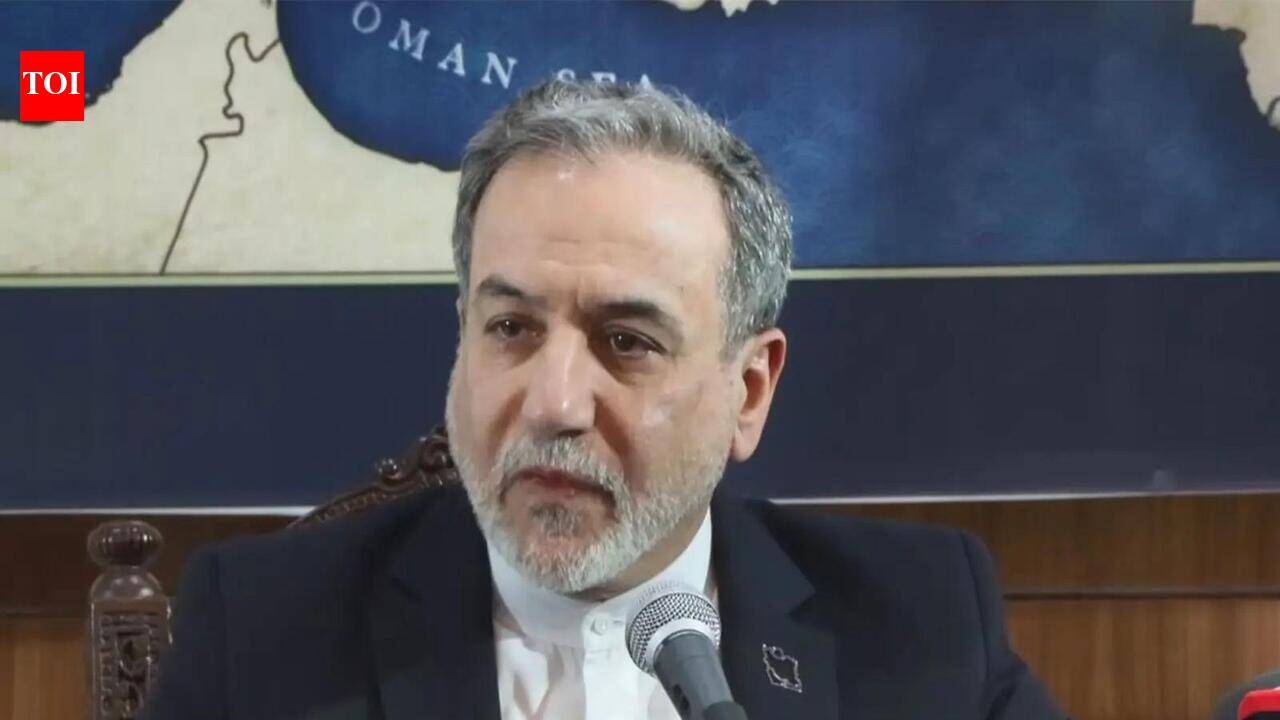
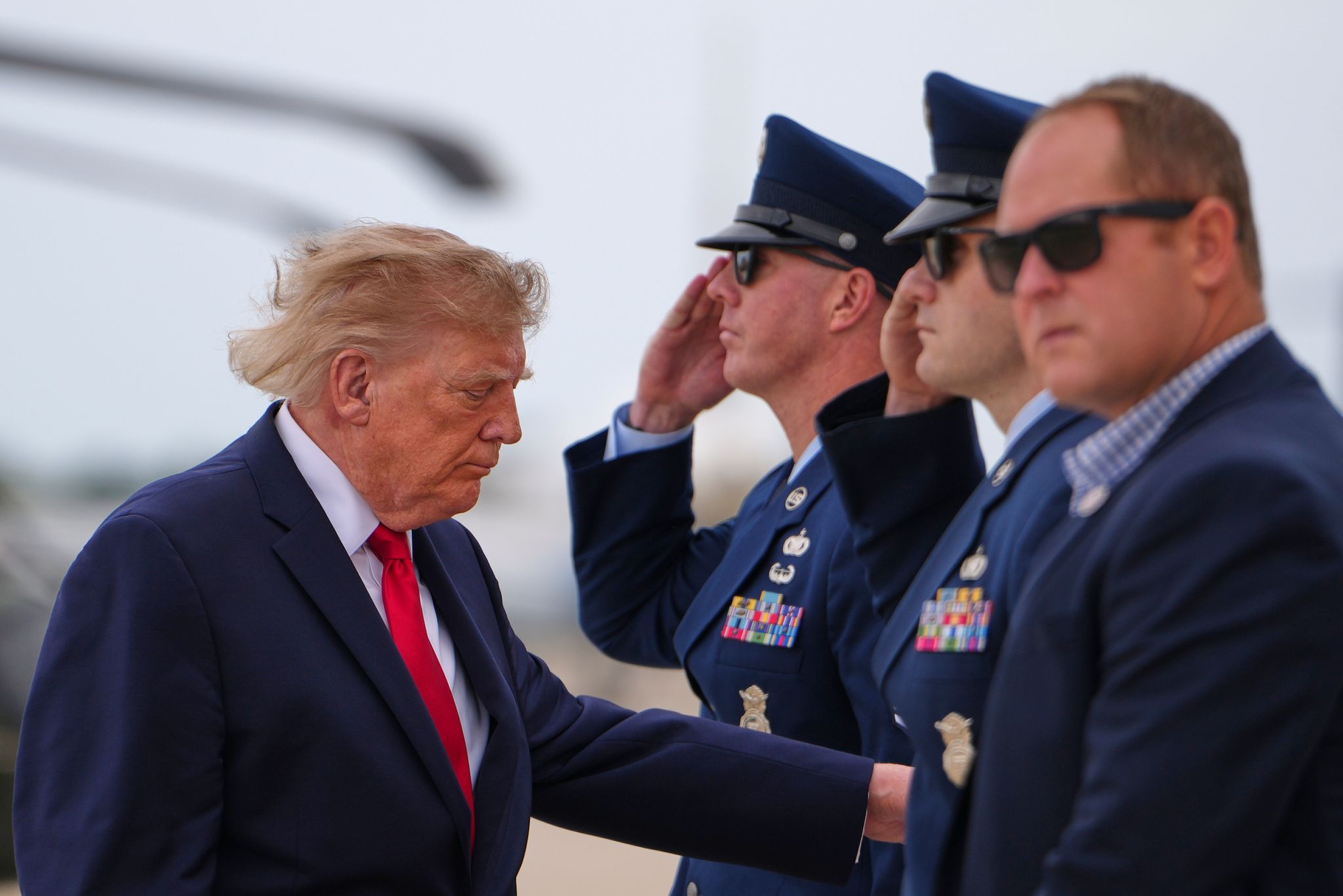
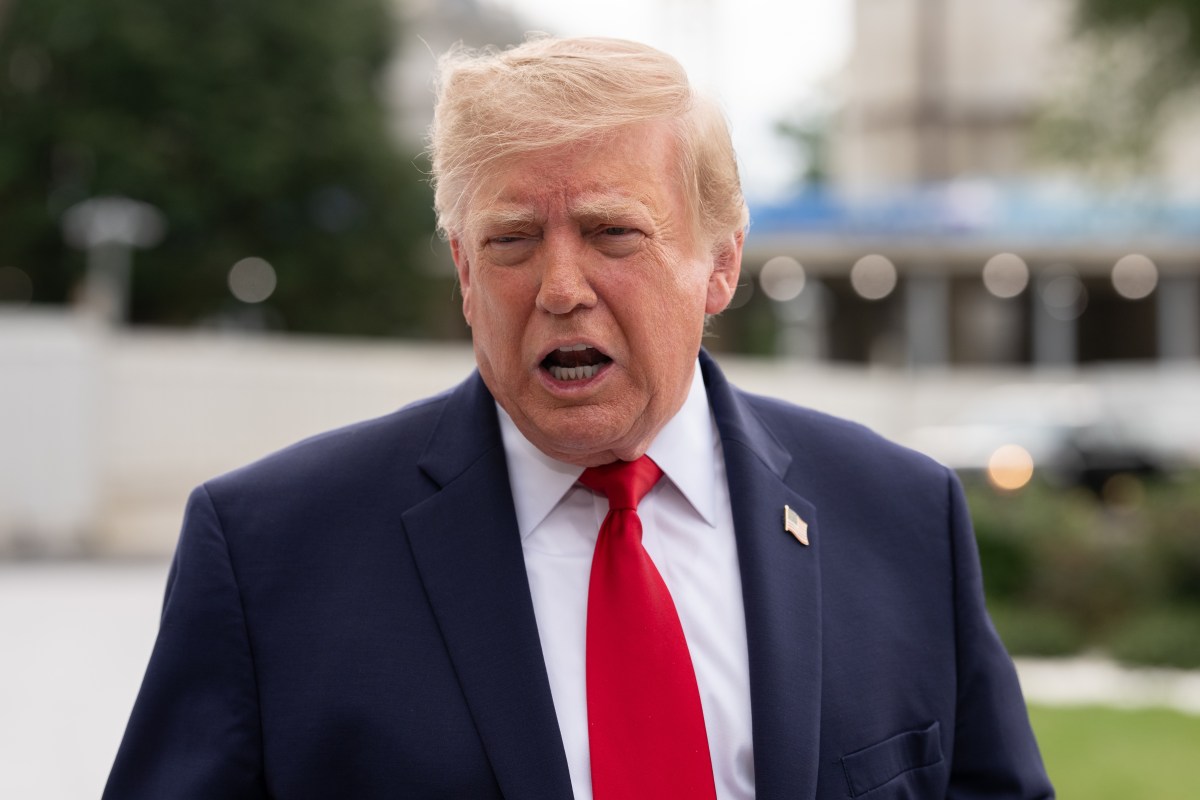
Wright’s statement was followed by a stark rejection from President Trump of an Iranian proposal that had been brokered through Qatari mediators and presented at the UN General Assembly in New York. The proposal, detailed by Iranian Foreign Minister Abbas Araghchi, called for a seven‑day ceasefire, the reopening of Hormuz, the lifting of the US naval blockade, and the release of $12 billion in frozen Iranian assets. Trump dismissed the offer, saying Iran was “losing so badly” and that the US had “total control” over the strait, a stance that has been widely reported by Dallas News, KSNB, and Yahoo News.
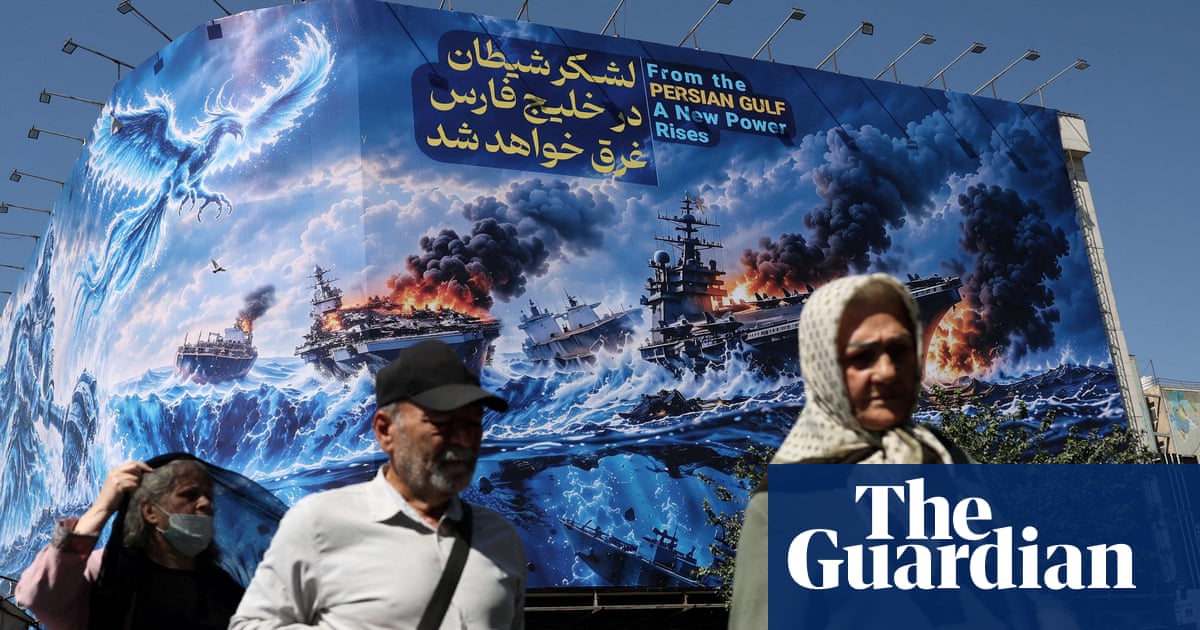
Iran’s leadership has reacted with a mixture of defiance and diplomatic signaling. President Masoud Pezeshkian returned to Tehran after the UN assembly, warning that the country would not retreat and would “stand until our last breath.” He also reiterated Iran’s insistence that the US cease hostilities before resuming nuclear negotiations, a point echoed by senior military spokesperson Abolfazl Shekarchi.
Regional actors have also stepped into the fray. Saudi Arabia’s Foreign Minister Prince Faisal bin Farhan Al Saud has called for restoring pre‑February 28 shipping conditions in Hormuz without imposing fees or restrictions. Meanwhile, Saudi forces intercepted a missile attributed to Iran‑backed Houthi rebels in Yemen, a claim corroborated by Dallas News and KSNB. The Houthi threat has prompted concerns over international air navigation routes and the safety of commercial shipping in the Red Sea.
Amid these tensions, global energy markets have remained volatile. While oil flows through Hormuz have rebounded, refining bottlenecks in the United States and elsewhere continue to keep gasoline and diesel prices elevated. The energy secretary’s emphasis on refining capacity reflects a broader narrative that supply chains have largely held up, but infrastructure constraints are the real bottleneck, a view that has been echoed by analysts in Newsweek and Yahoo Finance.
| Metric | Pre‑Conflict | Current Average | Peak Day |
|---|---|---|---|
| Oil flow through Hormuz (barrels/day) | — | ~13 million | >20 million |
| US natural gas production (billion cubic feet) | — | , | , |
The table above captures the key figures reported by Wright and corroborated by the Times of India and other outlets. While the US’s natural gas production outstrips that of Iran, Russia and China combined, the precise volume was not disclosed in the sources.
Timeline of Recent Developments
- 26 Sep 2026 – Trump rejects Iran’s seven‑day ceasefire proposal; Wright reports 13 million barrels/day flow.
What to watch next? The United States’ mid‑term elections in early November could shift the political calculus. Reports from The Guardian and Yahoo News suggest that Trump may consider resuming military strikes after the elections if his party loses the majority. Meanwhile, Iran’s diplomatic channels, led by Qatar, remain active, with the possibility of a new proposal should the US’s position shift. The Strait of Hormuz will remain a flashpoint until a comprehensive agreement is reached, with global markets watching closely for any sign of easing or escalation.
In sum, the United States has demonstrated that the flow of oil through Hormuz is largely intact, but the political and military standoff continues to shape energy prices and international security. The coming weeks will test whether diplomatic avenues can override the hard line adopted by the Trump administration and whether the region can move toward a sustainable resolution.
How significant is this development?
Contribute your assessment to the aggregated reader sentiment ledger.
Frequently Asked Questions
Key questions answered in this reportWhat is the key development in: US Energy Secretary Wright Says Hormuz Oil Flow Near 13 Million Barrels Day?
US Energy Secretary Chris Wright announced that oil shipments through the Strait of Hormuz are averaging nearly 13 million barrels per day despite regional conflict.
Why is this World development significant for the UK?
This report covers critical events in our World beat. Independent reporting monitors related UK statements, regulatory shifts, and public responses as further verified details emerge.
How was this reporting corroborated and verified?
Newsarchy UK compiles and cross-references reporting from primary reporting from timesofindia.indiatimes.com and cross-checked wire reports. All coverage adheres to published editorial standards.
When was this report published?
This briefing was published on September 27, 2026 and is permanently cataloged in the Newsarchy UK World archives.