US Stocks Fall as Hopes for Strait of Hormuz Reopening Are Dashed Again
U.S. stocks dropped after Iran refused to reopen the Strait of Hormuz, dashing hopes for a diplomatic breakthrough and causing oil prices to spike.

- Core Development: U.S. stocks dropped after Iran refused to reopen the Strait of Hormuz, dashing hopes for a diplomatic breakthrough and causing oil prices to spike.
- Beat Context: Categorized under World with independent corroboration.
- Reporting Depth: 3 minute analytical read synthesized from verified newsroom sources.
U.S. Stocks fell as Iran's refusal to reopen the Strait of Hormuz triggered another surge in oil prices and renewed inflation fears, according to Morningstar. This market decline followed a week of unmet expectations after the Trump administration teased an imminent breakthrough. President Donald Trump stated on August 4, 2026, that an agreement could materialize rapidly, while Secretary of the Treasury Scott Bessent expressed similar optimism about a swift reopening of the vital waterway, as reported by Reason.
Those hopes evaporated as diplomatic efforts stalled. Iran's Supreme National Security Council secretary declared on Saturday, August 8, 2026, that the waterway would remain restricted unless several conditions were met: a permanent end to the conflict, the lifting of the U.S. Blockade and financial sanctions, and financial compensation from the United States. In response to the added demand for financial reparations, Trump declared on Monday, August 10, 2026, that he was demanding compensation from Iran while reciting a decades-old list of grievances, according to reporting from Reason. Fxempire noted that oil fundamentals remained dominated by the Middle East crisis, with shipping volumes drastically suppressed.
Media additions

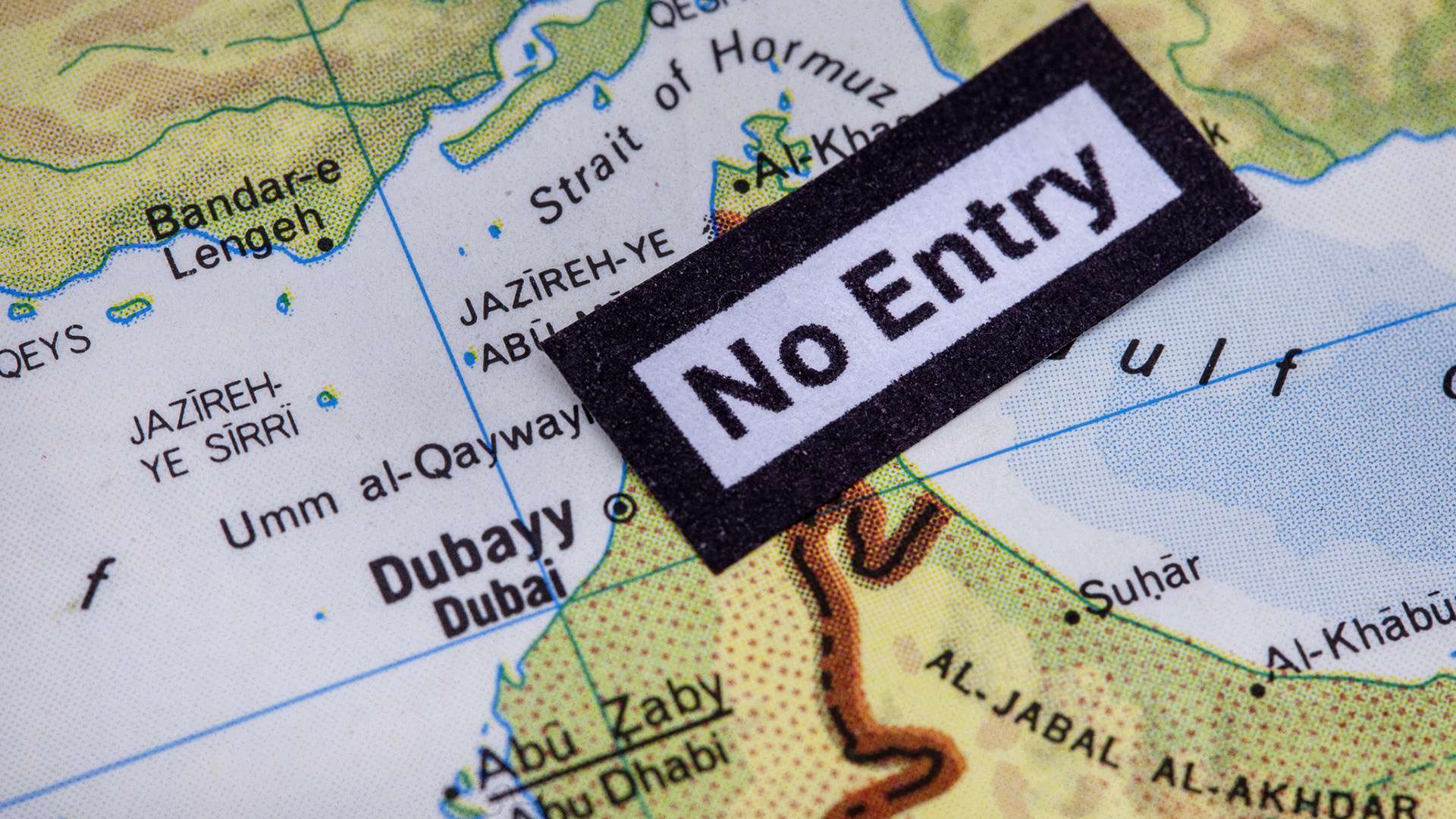
Data from market research services illustrated severe strain on global supply chains. Commodity Context reported that oil flows slumped heavily compared to pre-war figures, dropping from 20 million barrels per day before the war down to around 5 million barrels per day by Friday, August 7, 2026. Founder Rory Johnson noted that even the current level of dark transits is unsustainable because an insufficient number of empty tankers are entering the Persian Gulf. Kpler figures confirmed that only 32 ships traversed the strait over the weekend, split between rival corridors. Fxempire added that only 6 ships were recorded transiting the strait on Monday, a stark drop from the ten-day average of 11 and far below the pre-conflict volume of 130 to 140 ships daily. Tankers navigate the corridor with radio transponders turned off in Omani waters under U.S. Guidance, while other vessels utilize an Iranian-controlled route.
The underlying conflict traces back to a surprise military campaign launched on February 28, 2026, which architects expected to subdue Iran within days or weeks. Instead, Tehran seized the opportunity to restrict trade, leveraging the waterway to punish adversaries and extract concessions. Subsequent diplomatic tracks—including an April ceasefire and a June peace memorandum—fractured under domestic political pressures in Washington and regional pushback from allies such as Israel regarding provisions involving southern Lebanon and the unfreezing of Iranian assets.
Energy markets reacted sharply to the ongoing impasse. According to Fxempire, WTI crude traded near $83.59 and Brent crude traded at around $89.20, both climbing amid strong technical momentum. Natural gas markets faced intense pressure, compounded by profit declines reported by regional energy firms like ADNOC Gas, which reported a 52% decline in profits for Q2 compared to the prior year due to the transit shutdown. Gulf states, despite disliking the emerging terms of any normalization, have largely accepted that Iran maintains operational control of the strait, fearing that a return to active war would prove even more destructive, as outlined by Morningstar and Reason.
What to Watch Next
- The release of the Energy Information Administration's Short-Term Energy Outlook on August 11, 2026, for updated forecasts on oil production, liquefied natural gas, and demand, as detailed by Fxempire.
- Upcoming macroeconomic data releases that could influence Federal Reserve policy decisions on interest rates amid renewed inflation fears, as noted by Morningstar.
- OPEC+'s next scheduled review on September 6, 2026, following recent output adjustments by Gulf producers attempting to offset market gaps, alongside an approved production increase of 188,000 barrels per day for September, according to Fxempire.
How significant is this development?
Contribute your assessment to the aggregated reader sentiment ledger.
Frequently Asked Questions
Key questions answered in this reportWhat is the key development in: US Stocks Fall as Hopes for Strait of Hormuz Reopening Are Dashed Again?
U.S. stocks dropped after Iran refused to reopen the Strait of Hormuz, dashing hopes for a diplomatic breakthrough and causing oil prices to spike.
Why is this World development significant for the UK?
This report covers critical events in our World beat. Independent reporting monitors related UK statements, regulatory shifts, and public responses as further verified details emerge.
How was this reporting corroborated and verified?
Newsarchy UK compiles and cross-references reporting from primary reporting from morningstar.com and cross-checked wire reports. All coverage adheres to published editorial standards.
When was this report published?
This briefing was published on August 11, 2026 and is permanently cataloged in the Newsarchy UK World archives.