US reimposes Iran blockade and escalates strikes as conflict intensifies
The United States has reimposed a naval blockade on Iranian ports and launched fresh airstrikes, signaling the collapse of a recent interim ceasefire.
- Core Development: The United States has reimposed a naval blockade on Iranian ports and launched fresh airstrikes, signaling the collapse of a recent interim ceasefire.
- Beat Context: Categorized under World with independent corroboration.
- Reporting Depth: 3 minute analytical read synthesized from verified newsroom sources.
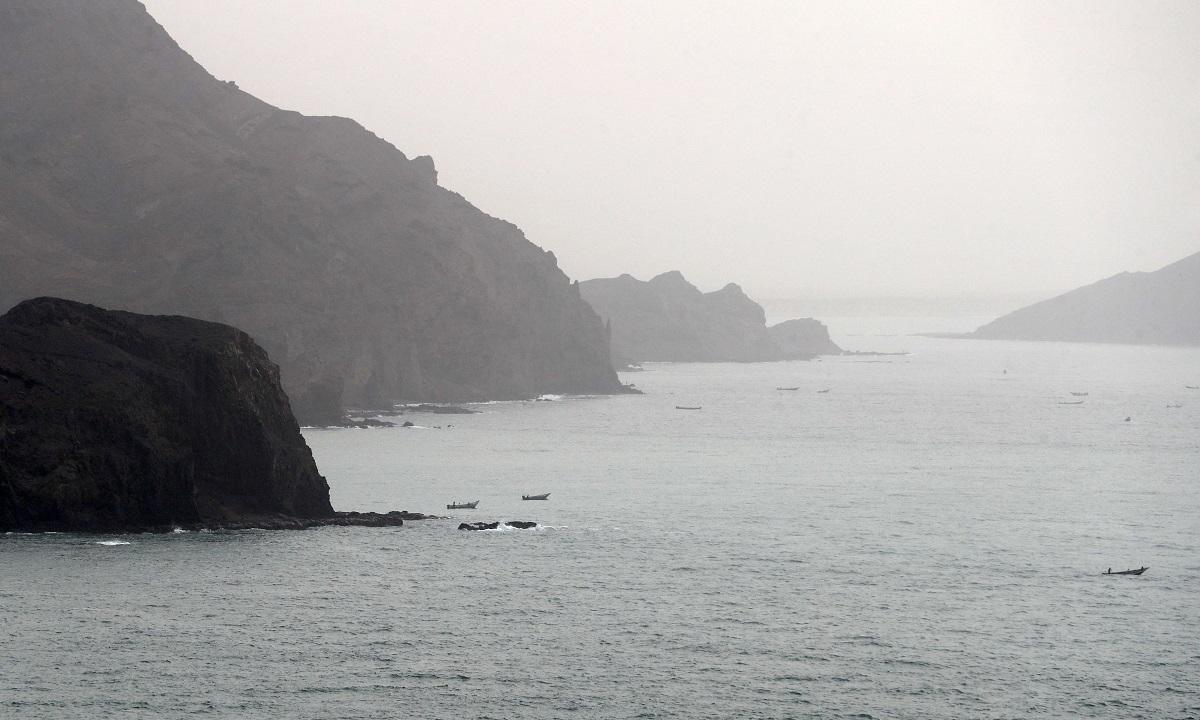
The United States military reimposed a naval blockade on Iranian ports effective Wednesday, 15 July 2026, marking a breakdown of an interim ceasefire and a return to open conflict over the Strait of Hormuz. The blockade, which began at 4 p.m. ET on Tuesday, 14 July 2026, revives a measure previously in place from mid-April until mid-June. According to U.S. Central Command, more than 20 warships and hundreds of aircraft are currently operating in the region to enforce the mandate, which targets vessels arriving at or departing from Iranian ports.
The escalation follows a series of strikes by the U.S. Military, including a seven-hour campaign against dozens of targets near the Strait of Hormuz and Iranian coastal areas. U.S. Central Command stated that these operations, which included strikes on missile and drone sites and coastal defense systems, are intended to degrade Iranian capabilities used to target commercial shipping. Adm. Brad Cooper, commander of U.S. Central Command, reported that Iran has attacked seven commercial vessels in the past week, resulting in nearly a dozen casualties. In response, the U.S. Military has continued to launch additional strikes to address what it termed emerging threats.
Media additions

Escalation and Infrastructure Threats
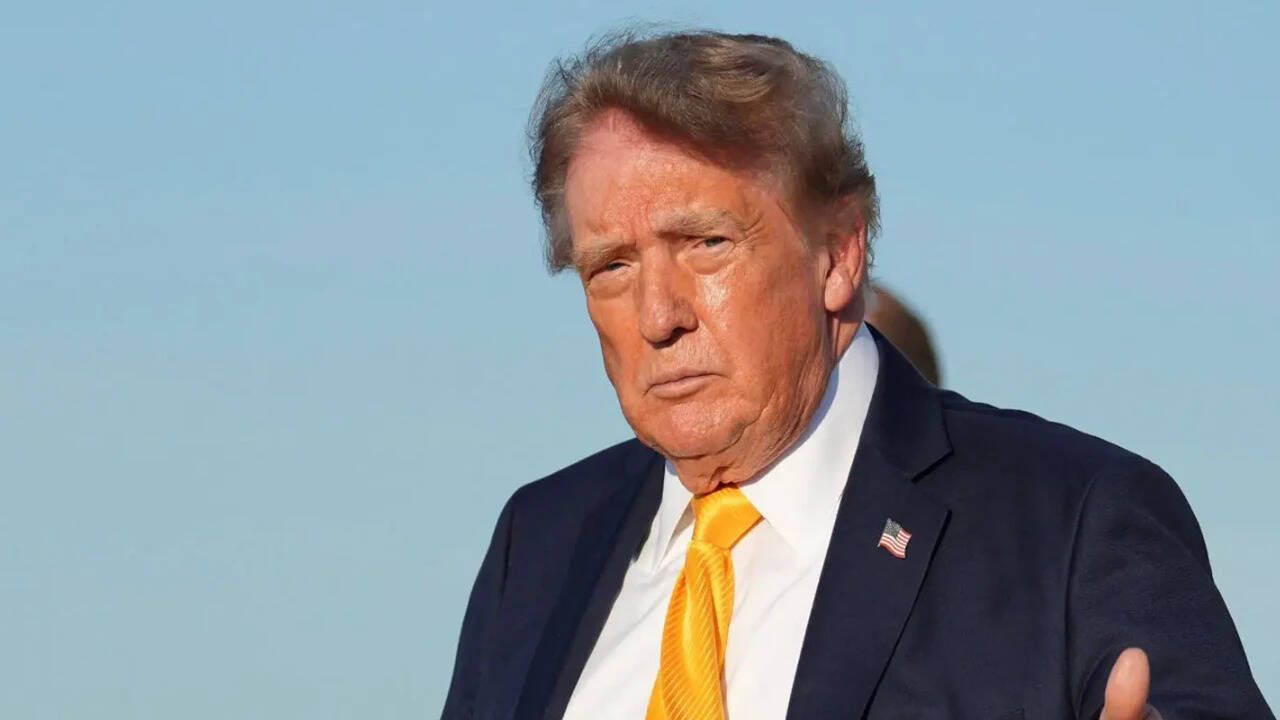
The conflict has entered a volatile phase, with U.S. President Donald Trump warning that the intensity of operations will increase next week. In an interview, the President stated that the military could target power plants and bridges if negotiations do not resume. "You better make a deal, or you’re not going to have anything left,"
Trump said. The President also confirmed that he had reversed a previously announced plan to charge a 20% cargo fee on ships passing through the strait, opting instead to pursue investment and trade deals with Gulf states.
The Iranian government reported significant casualties from the ongoing airstrikes. Iranian state media and officials noted that U.S. Strikes hit a barracks belonging to the 388th Mechanized Infantry Brigade in the southeast of the country, killing at least seven troops. Health ministry spokesperson Hossein Kermanpour stated that more than 260 people were wounded in the overnight strikes, describing the injury toll as the highest in recent fighting. Government spokesperson Fatemeh Mohajerani reported that over 30 people have been killed in recent days.
Regional Security and Energy Impact
In retaliation, the Iranian Revolutionary Guard launched projectiles at U.S.-linked sites in Bahrain, Kuwait, and Jordan. Jordan’s military confirmed it intercepted three ballistic missiles, while Kuwaiti forces reported confronting hostile drone attacks and an strike on a naval vessel that resulted in four injuries. Iran’s Revolutionary Guard warned that it might expand its campaign, stating, "The export of oil and gas from the region will be either for everyone or for no one."
Analysts suggest Tehran may also look to Houthi allies to potentially shut the Bab el-Mandeb Strait, creating a secondary maritime crisis.
The U.S. Treasury Department has simultaneously moved to increase financial pressure, with Treasury Secretary Scott Bessent announcing that the U.S. Has frozen over $130 million in digital assets held in wallets controlled by the Central Bank of Iran. Further sanctions were imposed on a shipping network allegedly led by Mohammad Hossein Shamkhani, which the U.S. Accuses of facilitating illicit oil transport.
Global energy markets have reacted to the instability. Brent crude oil prices rose on Wednesday, reflecting concern over supply disruptions in the Strait of Hormuz, a vital transit point that carried one-fifth of global oil and gas shipments prior to the start of the war on 28 February 2026. U.N. Rights chief Volker Turk condemned the renewed hostilities, warning that the obstruction of these shipping routes threatens the flow of food and medicine to vulnerable populations.
What to Watch Next
- Infrastructure Targets: U.S. Officials have indicated that Iranian bridges and power plants may face direct military strikes if diplomatic contact is not re-established.
- Energy Prices: Market volatility persists as regional spare capacity diminishes and concerns over the closure of additional shipping lanes, such as the Bab el-Mandeb, grow.
How significant is this development?
Contribute your assessment to the aggregated reader sentiment ledger.
Frequently Asked Questions
Key questions answered in this reportWhat is the key development in: US reimposes Iran blockade and escalates strikes as conflict intensifies?
The United States has reimposed a naval blockade on Iranian ports and launched fresh airstrikes, signaling the collapse of a recent interim ceasefire.
Why is this World development significant for the UK?
This report covers critical events in our World beat. Independent reporting monitors related UK statements, regulatory shifts, and public responses as further verified details emerge.
How was this reporting corroborated and verified?
Newsarchy UK compiles and cross-references reporting from primary reporting from gmanetwork.com and cross-checked wire reports. All coverage adheres to published editorial standards.
When was this report published?
This briefing was published on July 15, 2026 and is permanently cataloged in the Newsarchy UK World archives.