China's Six Networks programme worth S$5tn to wire economy for AI
Beijing has unveiled a 26-trillion-yuan infrastructure strategy to unify transport, energy, and computing under a single coordinated AI-focused plan.
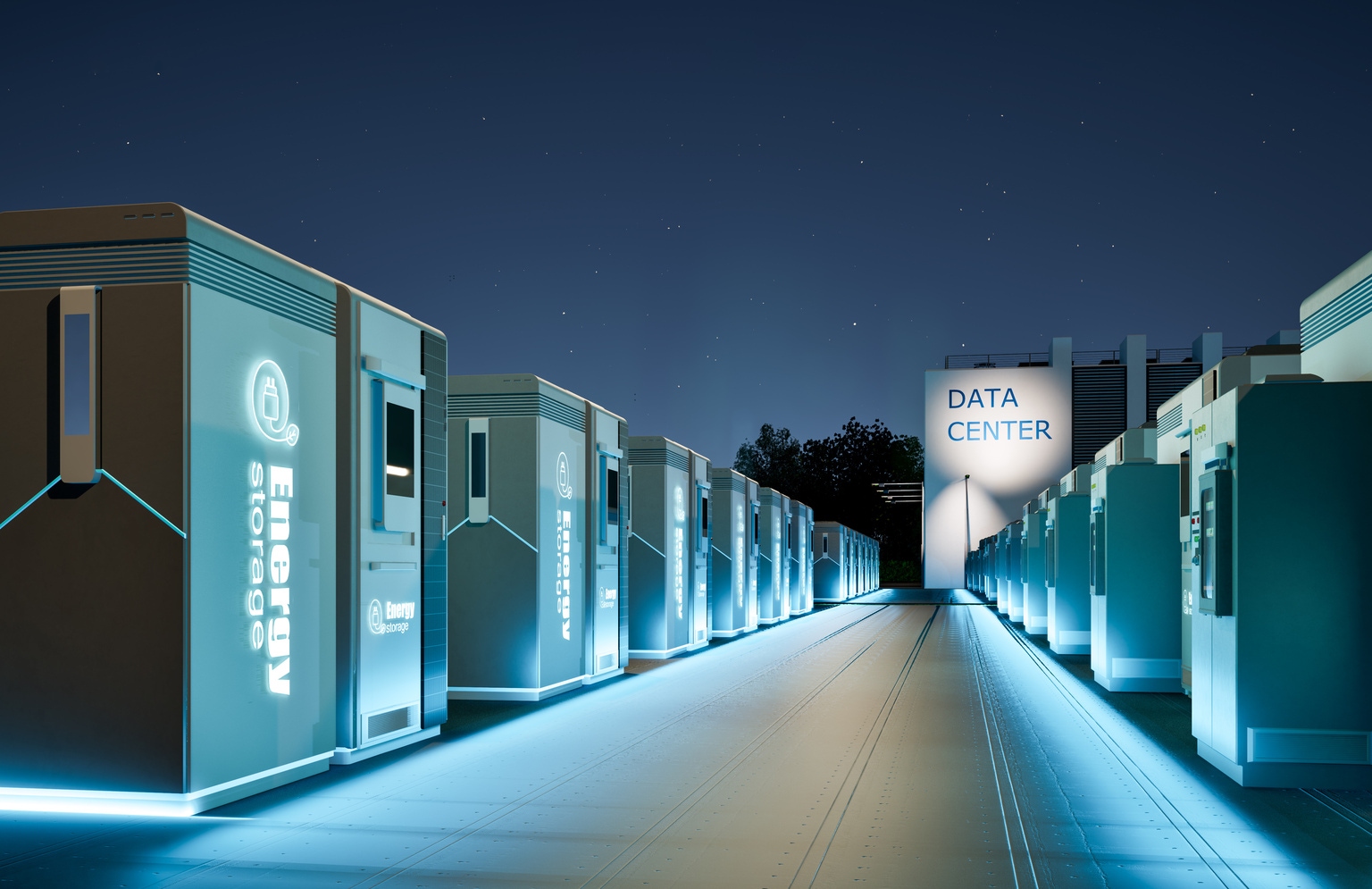
- Core Development: Beijing has unveiled a 26-trillion-yuan infrastructure strategy to unify transport, energy, and computing under a single coordinated AI-focused plan.
- Beat Context: Categorized under Business with independent corroboration.
- Reporting Depth: 4 minute analytical read synthesized from verified newsroom sources.
Beijing has accelerated the Six Networks programme, unveiling a budget that tops 26 trillion yuan – roughly S$5 trillion – and a hard‑deadline of 2030. The plan, folded into China’s latest Five‑Year Plan, bundles six massive strands of physical and digital infrastructure under a single, centrally coordinated umbrella.
Background and scope
The Six Networks initiative marks the first time China has merged its biggest transport, energy and communications projects into one programme. According to the Strait Times, the government hopes the effort will not only fuel its artificial‑intelligence (AI) ambitions but also shore up the manufacturing base, bolster resilience to geopolitical tension, and advance a low‑carbon transition.
Media additions
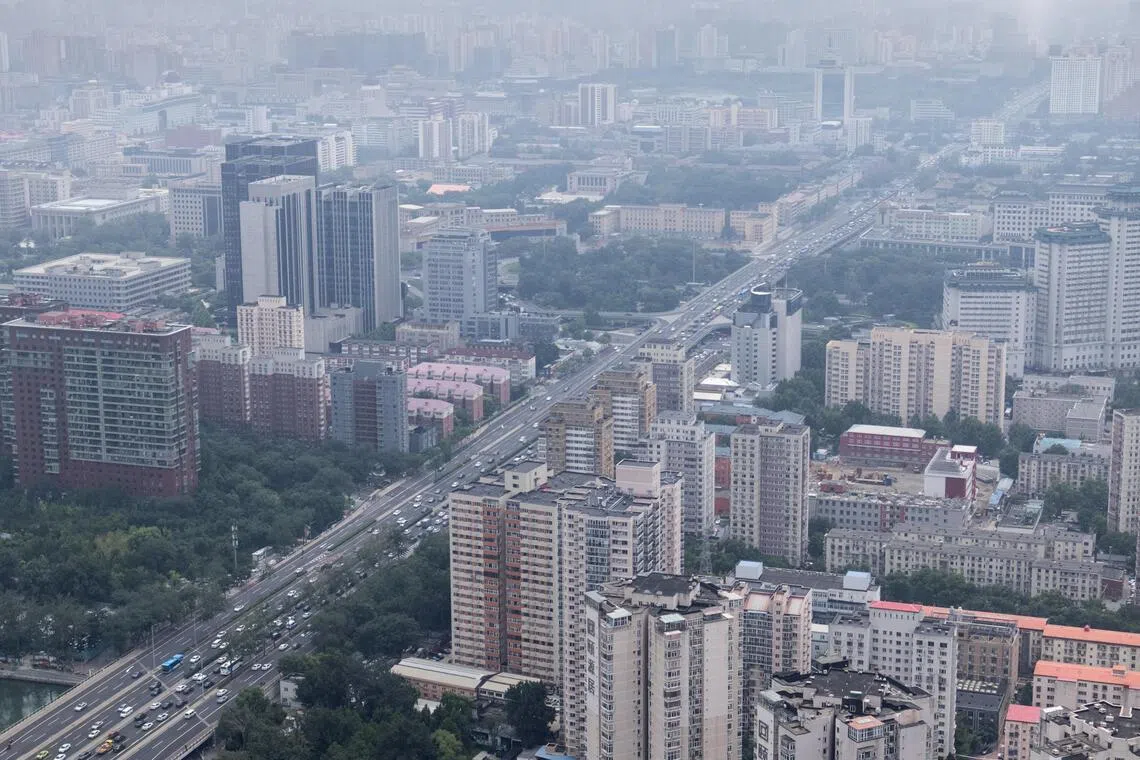

Spanning electricity, water, telecommunications, computing, logistics and underground pipe networks, the rollout is slated for completion by 2030. China Securities estimates the total cost at “more than 26 trillion yuan”, a figure that eclipses the combined investment across the six sectors in the previous Five‑Year Plan (2021‑2025) by nearly 50 per cent.
Infrastructure pillars
Electricity – The plan calls for a surge in long‑distance transmission lines, reinforcement of urban and rural grids, and a wave of energy‑storage facilities designed to soak up renewable power. An AI‑powered dispatch system is also slated to monitor the grid in real time, matching renewable output with data‑centre demand.
Water and underground pipelines – The programme includes a 770,000 km build‑out of underground pipelines for drainage, gas and heating. Upgrades to flood‑control embankments, dykes and reservoirs will run alongside an expansion of water‑diversion projects that shift water from wet basins to arid regions and large irrigation districts.
Telecommunications – Ultra‑high‑speed fibre, satellite internet and a nascent sixth‑generation (6G) mobile network will be layered onto existing infrastructure. The strategy aims to link scattered data‑processing hubs through “high‑speed, stable networks”, creating a nationally coordinated system that can shift AI workloads to wherever capacity is available.
Computing – High‑performance supercomputing centres, general‑purpose data centres and AI‑focused compute hubs are earmarked for construction. By tying these facilities to the upgraded power and water grids, Beijing hopes to sustain AI models that “consume enormous amounts of computing power and electricity, cooling water, high‑speed communications networks and efficient supply chains”.
Logistics – The logistics strand will tighten links between factories, ports and distribution hubs, aiming to cut transport costs and smooth supply‑chain bottlene‑cks. Improved connections are intended to bring remote, mountainous production sites within reach of China’s large urban markets.
Financing and risk
Public‑interest components – flood control, water‑diversion and the underground pipeline network – are expected to be funded mainly through central and local government bonds and policy‑bank lending. By contrast, revenue‑generating assets such as logistics hubs will attract private capital via public‑private partnerships, with investors granted concession rights that allow recurring returns after construction.
More commercially viable projects – power, computing and communications networks – are projected to rely on market‑based corporate investment. The mix reflects a broader trend of Chinese local officials tying project delivery to performance reviews and promotion prospects.
Yet the scale of the undertaking carries head‑winds. The Strait Times notes that US‑led export controls have hampered access to cutting‑edge semiconductors, potentially slowing progress on the computing and communications components. Moreover, researchers warn that “isolated planning” across departments, inconsistent technical standards and unclear benefit‑sharing rules could generate overlapping investment and undermine the programme’s success.
Strategic context and challenges
China frames the Six Networks as a strategic counter‑balance to the United States, where major tech firms and even the Trump administration have announced parallel pushes to build AI‑heavy data centres. By integrating power, water, fibre, compute and logistics, Beijing seeks to avoid the fragmented approach that officials in policy‑research circles have previously warned about.
Beyond AI, the programme is tied to broader economic goals. Upgraded logistics are intended to reduce transport costs and improve the flow of goods from remote production zones to densely populated cities. Water projects aim to strengthen food security, mitigate flood risk and support urban development at a time when China’s property market remains in a prolonged slump.
Financing pressures also loom. Economic growth has slowed as consumer spending stays weak and local governments see land‑sale revenues fall to less than half their 2021 peak. At the same time, Beijing has tightened borrowing limits to curb the buildup of off‑balance‑sheet debt that has accumulated since the Global Financial Crisis.
Looking ahead
The Six Networks programme is scheduled for completion by 2030, with the current Five‑Year Plan setting the fiscal and policy framework for the next five years.
Implementation will also hinge on the speed of bond issuance, policy‑bank lending and private‑sector mobilisation for logistics and pipeline concessions.
How significant is this development?
Contribute your assessment to the aggregated reader sentiment ledger.
Frequently Asked Questions
Key questions answered in this reportWhat is the key development in: China's Six Networks programme worth S$5tn to wire economy for AI?
Beijing has unveiled a 26-trillion-yuan infrastructure strategy to unify transport, energy, and computing under a single coordinated AI-focused plan.
Why is this Business development significant for the UK?
This report covers critical events in our Business beat. Independent reporting monitors related UK statements, regulatory shifts, and public responses as further verified details emerge.
How was this reporting corroborated and verified?
Newsarchy UK compiles and cross-references reporting from primary reporting from si.com and cross-checked wire reports. All coverage adheres to published editorial standards.
When was this report published?
This briefing was published on July 27, 2026 and is permanently cataloged in the Newsarchy UK Business archives.