McCaul criticizes Trump intervention to reinstate Nvidia CEO Jensen Huang
Congressional Republicans criticized President Trump for intervening to reinstate Nvidia CEO Jensen Huang following concerns raised over national security.
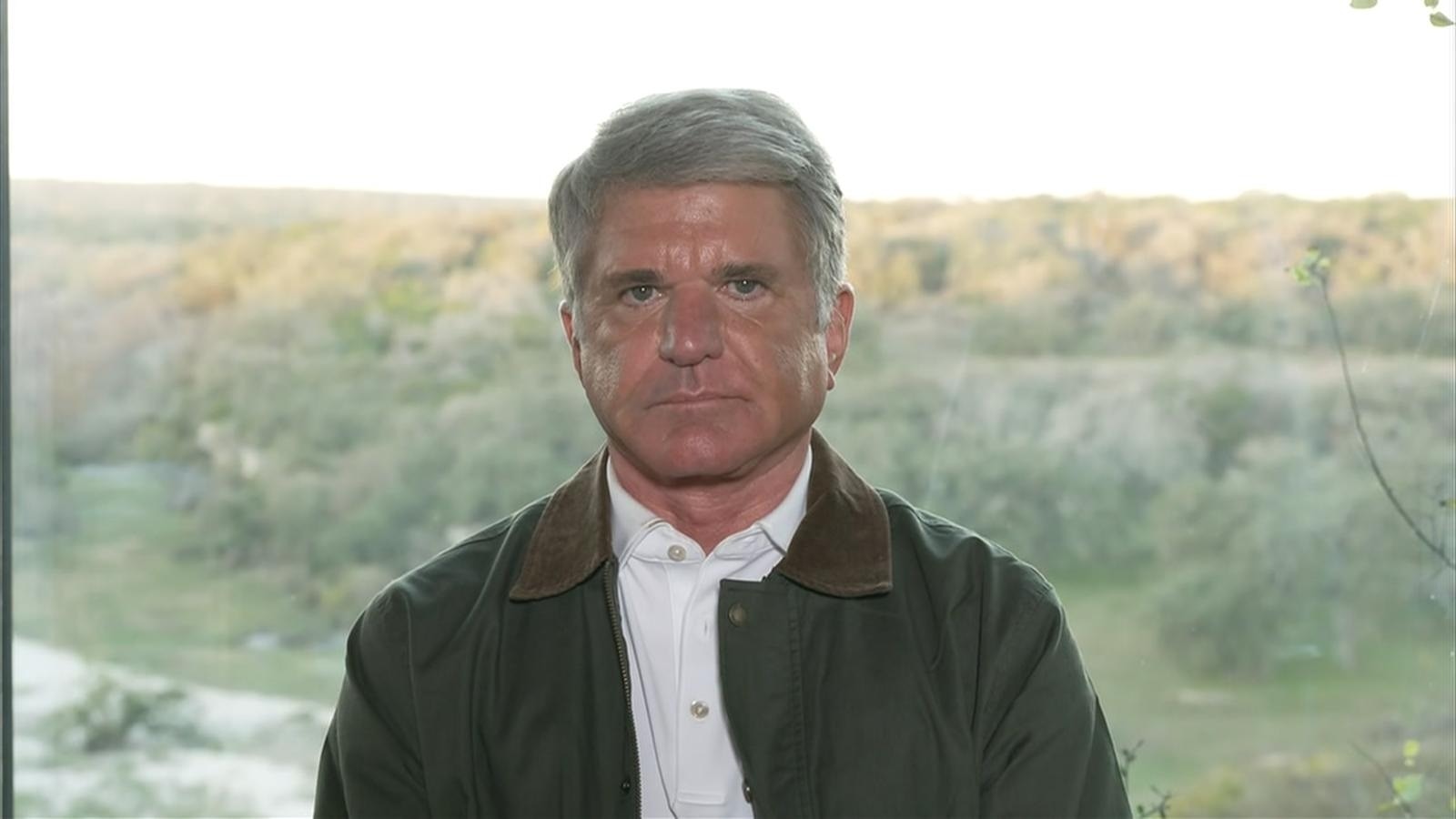
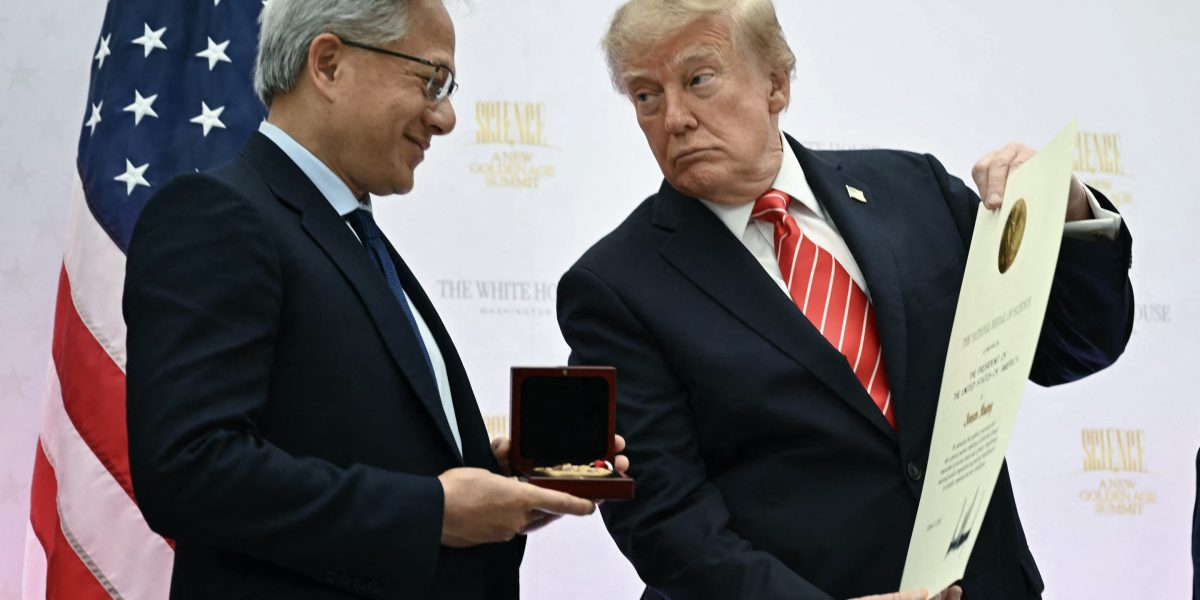
President Donald Trump intervened to reinstate Jensen Huang as CEO of Nvidia, prompting swift criticism from congressional Republicans who called the action an unprecedented and inappropriate intrusion into private corporate governance.
The intervention followed an eleven-day corporate exile for Huang, who had stepped down from the chip giant after disclosing multiple extramarital affairs, including one with a tech executive whom U.S. Intelligence identified as a potential Chinese intelligence asset. Rep. Michael McCaul, R-Texas, argued on ABC's "This Week" that the executive's actions constituted a severe national security risk.
Media additions


"The board decided to remove him from the CEO position. I know the president intervened, which is unprecedented, to put him back in that that position. I think the president was concerned primarily about the economy, the stock market, the CEO Jensen Huang being a leader in advanced AI chips. So I understand maybe why he did that, but I think what he did was a national security risk."
Rep. Michael McCaul, R-Texas, via ABC News - Breaking News, Latest News and Videos
Trump openly acknowledged that he spoke directly and indirectly with Nvidia's board members to convince them to reverse their decision, citing the paramount importance of advanced artificial intelligence chips to the U.S. Economy. Fortune reported that the president asserted his administration would not penalize the company for export control or securities law violations if Huang returned. The White House countered that these accounts are independently managed by third-party institutions without input from the president or his family, according to statements reported by Fortune.
The controversy has directly fueled legislative efforts on Capitol Hill. Yahoo News reported that Republican China hawks are pushing to attach strict chip-export limits to the upcoming defense bill. The proposed legislative package includes multiple measures aimed at curbing illicit technology transfers:
- Chip Security Act: Targets chip smuggling networks operating against U.S. Export controls.
- AI Overwatch Act: Mandates congressional notification and oversight procedures for advanced AI chip sales to designated adversaries.
- MATCH Act: Restricts the export of sensitive semiconductor manufacturing equipment.
As lawmakers prepare for intense questioning, Newsweek detailed the scheduled appearance lineup. Jensen Huang is set to face a closed-door, transcribed interview with House committees, followed by a public hearing before the Senate Banking Committee. Furthermore, Newsweek noted that Commerce Secretary Howard Lutnick and Nvidia general counsel Tim Teter are also scheduled to testify amid ongoing investigations.
| Entity / Official | Ststance on Huang Reinstatement | Key Concern Highlighted |
|---|---|---|
| Rep. Michael McCaul | Opposed / Critical | National security risks and borderline espionage |
| President Donald Trump | Supported / Championed | Protection of key economic geniuses and AI leadership |
| Sen. John Thune | Concerned / Hawkish | Significant national security vulnerabilities regarding chip exports |
| Nvidia Board of Directors | Unanimous Reinstatement | Assurances received from U.S. Government officials of no security risk |
Attorney General Todd Blanche stated during a press briefing reported by ABC News that the Department of Justice possessed no information indicating Huang was committing criminal acts.
The unfolding clash sets up a high-stakes legislative showdown during the lame-duck congressional session, where lawmakers intend to press executives and administration officials on export enforcement, corporate compliance, and the true scope of the government's involvement in reversing Nvidia's leadership decision.