Spain votes in an election dominated by housing issues and potential far-right gains
Spaniards headed to polling stations in a general election defined by housing affordability pressures and the prospect of the far right entering government.
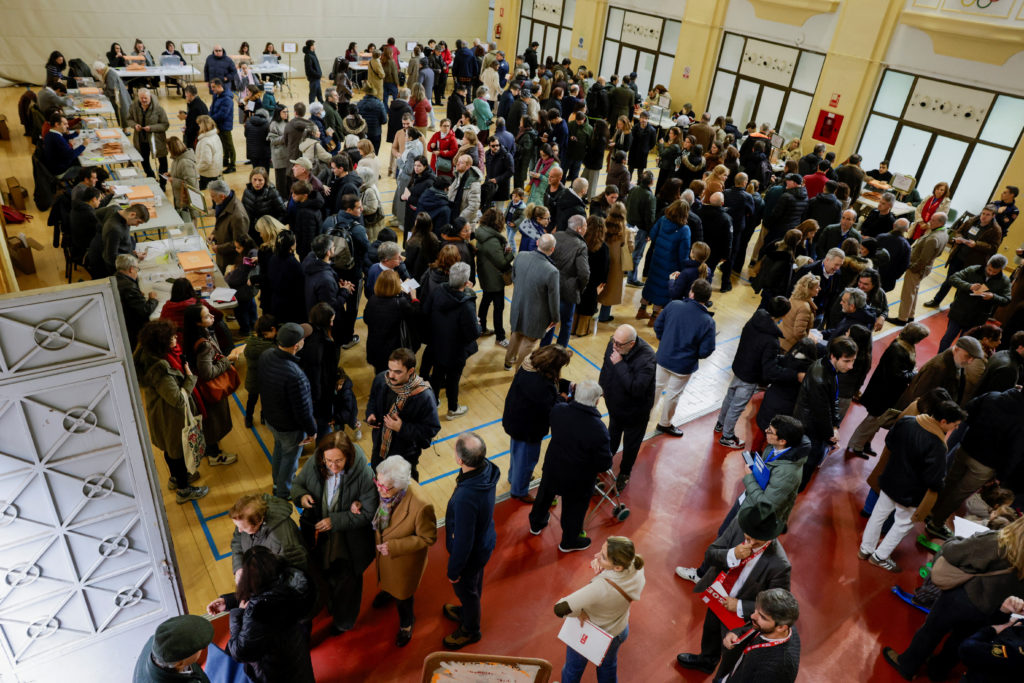
Spaniards headed to polling stations on Sunday, Nov. 29, 2026, in a general election defined by mounting housing affordability pressures and the prospect of the far right entering national government for the first time in half a century. According to reporting from the Associated Press via Pbs, the snap national ballot served as a direct referendum on incumbent Prime Minister Pedro Sánchez. The left-wing Socialist leader announced the early election after right-wing parliamentarians voted down housing alleviation measures. These legislative defeats followed nationwide protests sparked by the dramatic eviction of an 87-year-old woman from her apartment in Madrid. Access to affordable housing has severely galvanized voters, particularly the young, amid soaring home and rental costs in urban centres and tourism hotspots.
Eligible voters headed to polling stations to elect 350 deputies and 209 senators, as detailed by Aol. Main candidates included Sánchez for the Spanish Socialist Workers' Party (PSOE), Alberto Núñez Feijóo for the conservative Popular Party (PP), and Santiago Abascal for the far-right Vox party. Turnout surged significantly; participation reached 68% by late afternoon, running notably higher than the previous national vote, as noted by PBS. Voters cast ballots in schools, community centres, town halls, and other municipal facilities, while others vote by mail.
Media additions
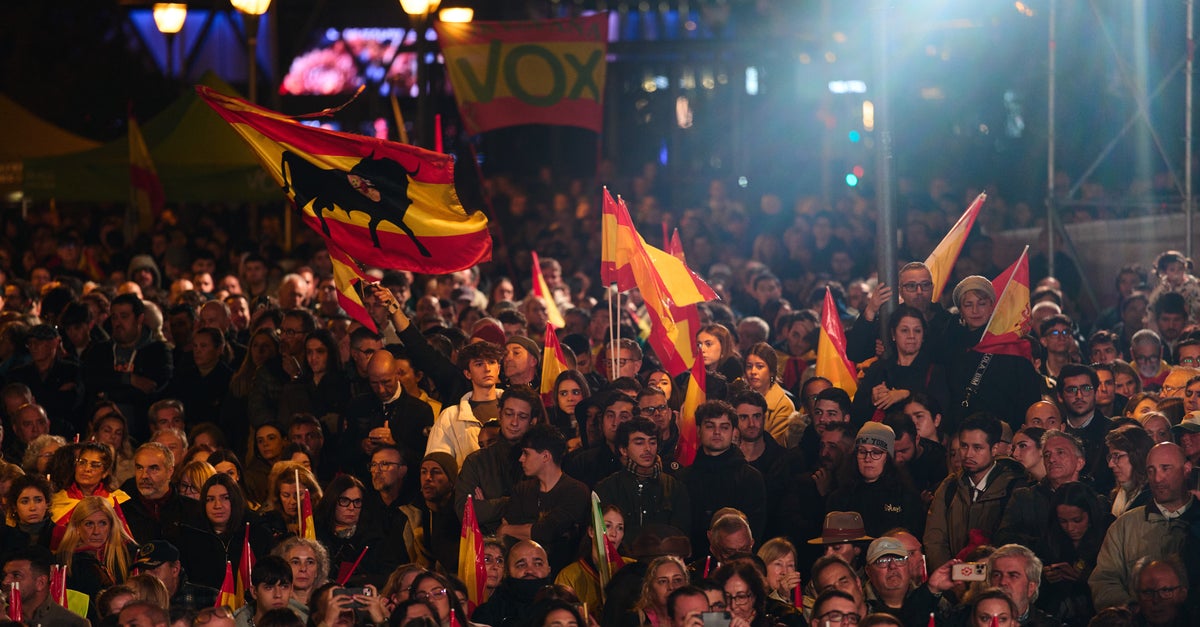
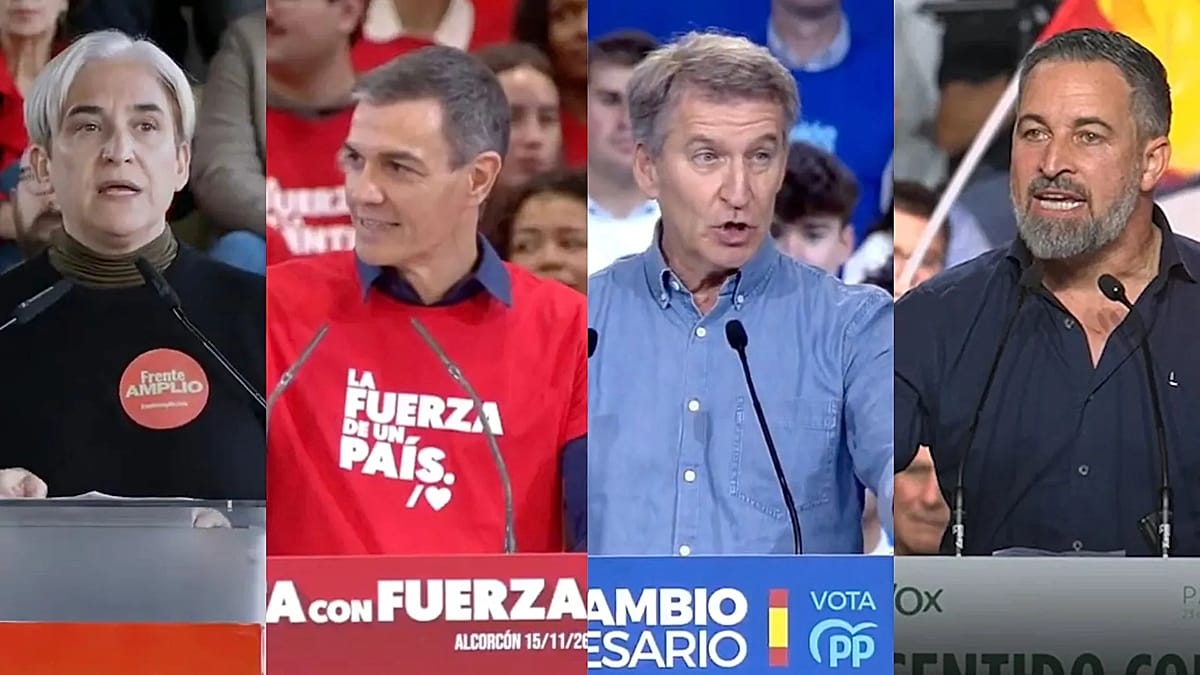

The political landscape reflects sharp ideological divisions. HuffPost noted that a defeat for Sánchez could usher a far-right party into national power for the first time since the death of Gen. Francisco Franco in 1975, reflecting a wider European rise in nationalist politics. While Sánchez pointed to robust economic growth, rising minimum wages, and low unemployment, critics argued that ordinary citizens failed to feel these headline gains due to surging living expenses for housing, energy, and consumer goods.
Opposition leader Alberto Núñez Feijóo criticized the incumbent administration over economic hardship, corruption scandals involving the prime minister's inner circle, concessions to Catalan separatists, and infrastructure crises. According to AOL, these crises included two fatal high-speed rail network crashes, a nationwide blackout, and a border crisis in Ceuta. Feijóo also pilloried Sánchez for failing to pass a budget in nearly four years due to a lack of parliamentary support.
| Political Party | Key Figures | Core Campaign Focus / Stance |
|---|---|---|
| PSOE (Socialists) | Pedro Sánchez | Defending progressive social policies, rental relief measures, and pro-immigration economic benefits. |
| Popular Party (PP) | Alberto Núñez Feijóo | Promising administrative stability, technocratic governance, stricter immigration controls, and an end to separatist amnesties. |
| Vox (Far Right) | Santiago Abascal | Pushing for tougher immigration enforcement, deportations, state centralization, and housing priority for native Spaniards. |
Voter sentiment appeared heavily driven by tactical choices rather than unalloyed enthusiasm. Cristina Monge, a political science professor at the University of Zaragoza, observed via Al Jazeera that Spaniards tend to vote to avoid something, rather than in favour of something,
a dynamic magnified by intense ideological polarization. This tactical voting mood was reflected in various interviews, where citizens expressed feeling torn between imperfect options or motivated primarily by a desire to block opposing factions.
The result of the election is being closely watched across Europe before a busy electoral calendar in 2027, during which voters will head to the polls in France, Italy, Greece, and Poland. In France, the far-right National Rally is aiming to take power, while in Italy, Premier Giorgia Meloni's right-wing coalition is expected to seek another term. A defeat for Sánchez would leave only three countries in the European Union with centre-left leaders.
What to watch next
- Preliminary poll results and exit numbers released as polling stations close.
- Official vote tallies confirming whether the PP requires a coalition with Vox to reach the absolute majority threshold of 176 seats in parliament, or whether Vox opts to support the PP from outside government.
- The convening of the new parliament next month to initiate the formal investiture process and coalition negotiations.
If no candidate secures parliament's confidence within two months of the initial investiture vote, fresh national elections will be automatically triggered, as reported by The Business Standard.