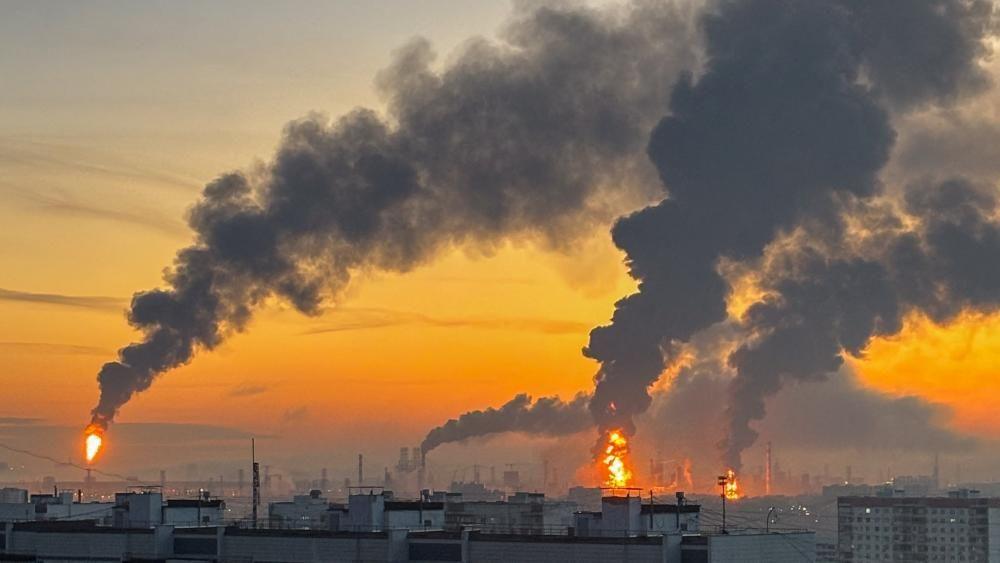
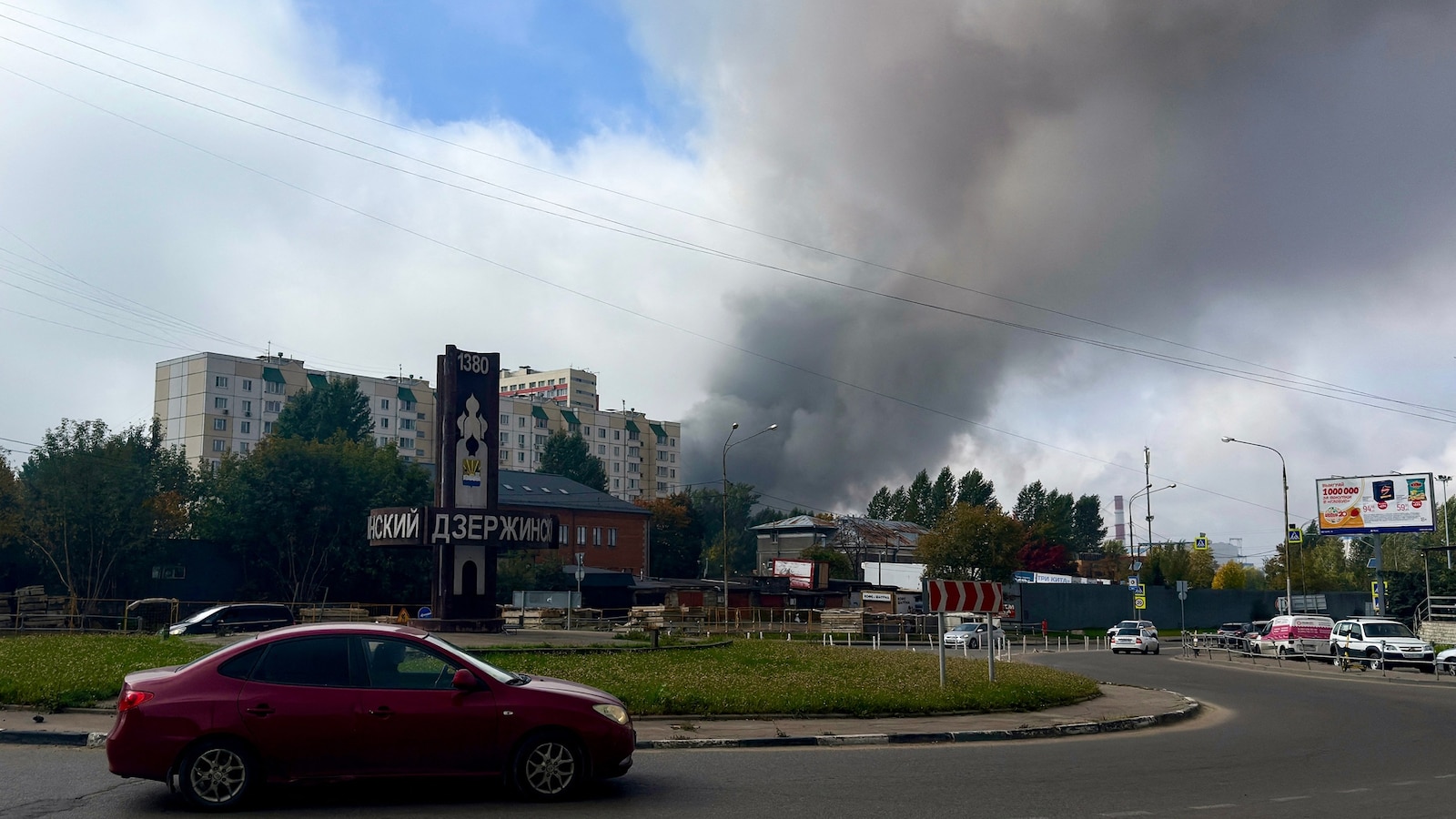
US expands airstrikes on Iranian energy infrastructure and port facilities
The United States has expanded its aerial campaign against Iran, targeting critical infrastructure and maritime facilities, which has triggered retaliatory strikes throughout the region.
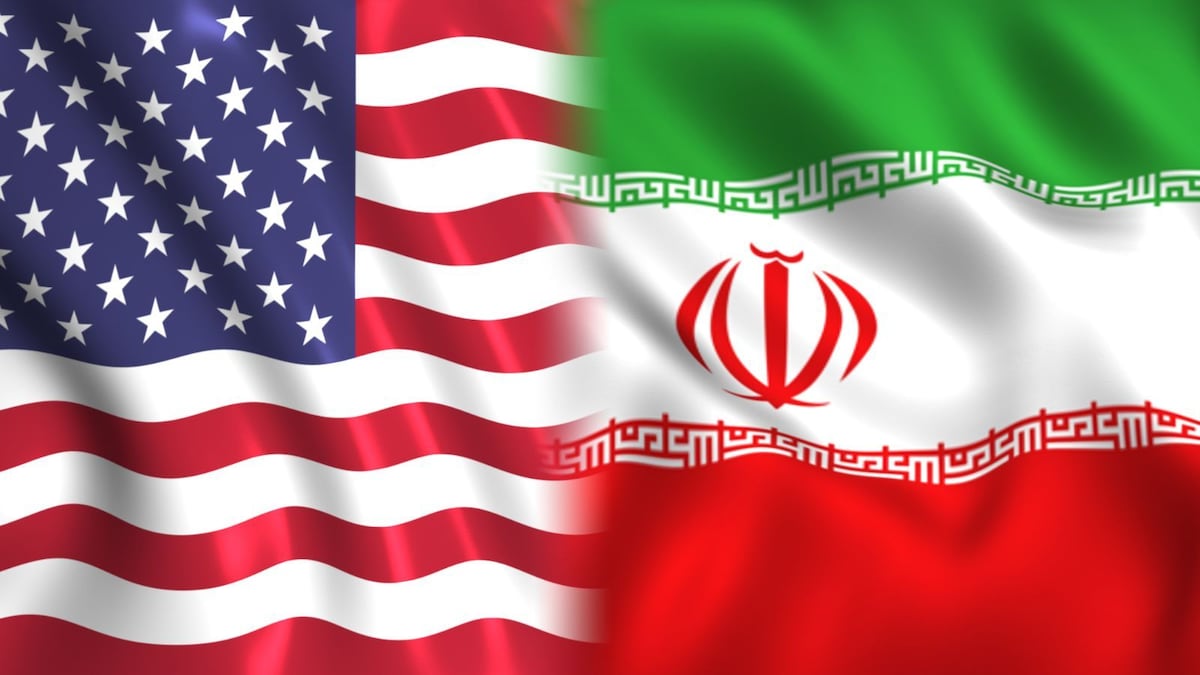
- Core Development: The United States has expanded its aerial campaign against Iran, targeting critical infrastructure and maritime facilities, which has triggered retaliatory strikes throughout the region.
- Beat Context: Categorized under World with independent corroboration.
- Reporting Depth: 3 minute analytical read synthesized from verified newsroom sources.
The United States has significantly widened its aerial campaign against Iran, targeting critical national infrastructure in a week-long offensive. American forces continue to strike bridges, power facilities, and maritime surveillance equipment across southern Iran. This escalation marks a sharp departure from the terms of a previous memorandum of understanding, which had aimed to secure the Strait of Hormuz and facilitate diplomatic engagement.
The expansion follows persistent threats from the U.S. Administration to damage Iranian civilian and logistics infrastructure if the government in Tehran did not ease its restrictions on international shipping. Recent operations have included the destruction of a surveillance tower at the Chabahar port, which the U.S. Military identifies as part of a network used by the Islamic Revolutionary Guard Corps to monitor and threaten commercial vessels.
Media additions


Escalating Regional Retaliation
The campaign has prompted a broad military response from Tehran, with Iranian forces launching missiles and drones at regional neighbours. Kuwait’s Ministry of Electricity, Water and Renewable Energy said an electricity generation and water desalination plant was damaged in Iran’s latest attacks, triggering a fire at the facility. The conflict has also touched Bahrain, where local military forces claimed to have intercepted multiple aerial attacks.
In response to the intensifying pressure on its power grid, Iran’s Energy Ministry has urged citizens to limit electricity consumption, citing extreme heat and sustained strikes on electrical infrastructure. Iran said 38 people have been killed and around 400 injured in US attacks since the ceasefire agreement, according to Iran Today.
Maritime Blockade and Global Impact
The U.S. Has reimposed a strict naval blockade on Iranian ports, a move designed to sever the flow of exports. According to U.S. Central Command, naval forces have actively redirected commercial vessels and boarded ships to ensure compliance. Only three commodity vessels crossed the Strait of Hormuz on Thursday, the fewest daily transits since May, shipping data showed.
The International Energy Agency has cautioned that any prolonged disruption of this corridor threatens global energy markets.
Diplomatic and Security Outlook
International reactions remain divided. While Germany and France have called for an urgent return to negotiations and the reopening of the waterway, the conflict continues to draw in proxy actors. Yemeni Houthi officials have suggested they remain prepared to enact further measures if the situation persists, while Kurdish opposition groups in Iraq have reported clashes involving drones. U.S. President Donald Trump has maintained that the military campaign is progressing, stating that the results will be evident in the near future.
| Action | Reported Impact/Status |
|---|---|
| U.S. Airstrikes | Bridges, power plants, and surveillance towers struck; 38+ reported dead. |
| Naval Blockade | Reinstated, restricting traffic to and from Iranian ports. |
| Iranian Retaliation | Attacks on power and water facilities in Kuwait, Bahrain, and Qatar. |
| Shipping Traffic | Significantly reduced; heightened insurance and safety concerns. |
For now, prospects for a renewed ceasefire remain dim. As the World remains focused on the stability of the Strait of Hormuz, regional powers continue to balance their national security interests against the risk of further military fallout.
How significant is this development?
Contribute your assessment to the aggregated reader sentiment ledger.
Frequently Asked Questions
Key questions answered in this reportWhat is the key development in: US expands airstrikes on Iranian energy infrastructure and port facilities?
The United States has expanded its aerial campaign against Iran, targeting critical infrastructure and maritime facilities, which has triggered retaliatory strikes throughout the region.
Why is this World development significant for the UK?
This report covers critical events in our World beat. Independent reporting monitors related UK statements, regulatory shifts, and public responses as further verified details emerge.
How was this reporting corroborated and verified?
Newsarchy UK compiles and cross-references reporting from primary reporting from cnbctv18.com and cross-checked wire reports. All coverage adheres to published editorial standards.
When was this report published?
This briefing was published on July 17, 2026 and is permanently cataloged in the Newsarchy UK World archives.