Former Emir of Qatar Sheikh Hamad bin Khalifa Al Thani dies aged 74
EXECUTIVE BRIEFKey Takeaways & Signal
Core Development: The Amiri Diwan has confirmed the death of Qatar’s former ruler, Sheikh Hamad bin Khalifa Al Thani, who ruled from 1995 until his abdication in 2013.
Beat Context: Categorized under World with independent corroboration.
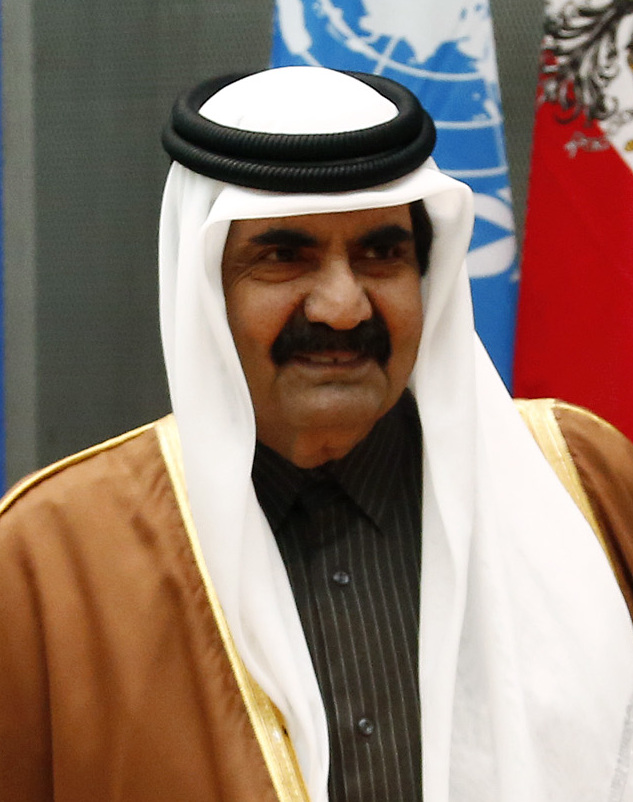
The Amiri Diwan, the administrative heart of the Qatari state, announced on Sunday, 12 July 2026, that the country’s former ruler, Sheikh Hamad bin Khalifa Al Thani, has died at the age of 74. The official statement from the emir's office did not disclose a cause of death for the leader known widely within the nation as the Father Emir.
The Amiri Diwan stated:
"With hearts steadfast in faith in God's decree and destiny, the Amiri Diwan mourns the great loss to the nation of the late – may God have mercy on him – His Highness the Father Amir Sheikh Hamad bin Khalifa Al Thani, who passed away this morning"
Image via khaama.comImage via en.wikipedia.orgImage via aljazeera.com
Amiri Diwan, via official statement
Sheikh Hamad held power from 1995 until 2013, a period of 18 years that saw the transformation of Qatar from a small nation with a tradition-bound economy into an influential global player in finance, diplomacy, and media. His leadership was defined by an assertive foreign policy and the exploitation of the country’s vast natural gas reserves, which eventually helped position Qatar as the world's largest exporter of liquefied natural gas.
A Legacy of Rapid Transformation
Born in 1952, Sheikh Hamad attended the Royal Military Academy Sandhurst in the United Kingdom, graduating in 1971 before rising through the ranks of the Qatar Armed Forces to become commander-in-chief. He served as Minister of Defence and was named heir apparent in 1977. In 1995, he seized power from his father, Sheikh Khalifa bin Hamad Al Thani, in a bloodless palace coup. Following this, he engaged an American law firm to freeze his father's international assets to prevent a counter-coup, later surviving a failed attempt to depose him in 1996.
Under his rule, Qatar moved to open itself to international influence. He launched the Doha-based satellite news broadcaster Al Jazeera in 1996. While the network earned international acclaim for its coverage, it also drew significant criticism from regional neighbors and Western governments, with some officials accusing the channel of maintaining a slant that served the interests of Qatar’s leadership. At one point, US officials expressed concern to the emir regarding the station's broadcast of interviews with al-Qaida leaders.
Sheikh Hamad also directed the creation of the Qatar Investment Authority in 2005 to manage the state's surplus wealth. By the time he abdicated, the sovereign wealth fund had invested over $100 billion in diverse international assets, including London’s Harrods department store, Paris Saint-Germain F.C., and stakes in major financial institutions like Barclays Bank.
Diplomatic Reach and Regional Tensions
While Qatar maintained strategic military ties with the United States—hosting the Al Udeid Air Base—Sheikh Hamad’s foreign policy often diverged from that of his neighbors. He maintained relations with Iran and provided financial and political support to groups including the Muslim Brotherhood and Hamas. In 2012, he became the first head of state to visit the Gaza Strip since Hamas secured control of the territory, pledging millions of dollars for reconstruction projects.
His independent approach to regional diplomacy resulted in varied relations with neighbors. While Bahrain, Egypt, Saudi Arabia, and the United Arab Emirates were implicated in a 1996 plot to remove him, Sheikh Hamad later mediated in regional conflicts ranging from factional feuding in Lebanon to negotiations in Sudan's Darfur region. He also played a role in initial engagement between the United States and the Taliban, allowing the militant group to open an office in Doha.
A Rare Abdication
In June 2013, Sheikh Hamad performed a rare act for a hereditary Gulf Arab ruler by voluntarily abdicating the throne in favor of his son, Sheikh Tamim bin Hamad Al Thani. Following his resignation, he retained the title of Father Emir. His health had been the subject of public interest for several years, including a 2015 incident where he was flown to Switzerland for surgery after breaking a leg while on holiday.
World leaders have responded to the announcement, with Egyptian President Abdel Fattah el-Sisi and United Arab Emirates President Mohamed bin Zayed Al Nahyan offering condolences to the current emir and the people of Qatar. Pakistani President Asif Ali Zardari also paid tribute to what he described as the late emir's visionary leadership.
READER INTELLIGENCE PULSE
How significant is this development?
Contribute your assessment to the aggregated reader sentiment ledger.
Click an option to register your anonymous assessment.
Frequently Asked Questions
Key questions answered in this report
What is the key development in: Former Emir of Qatar Sheikh Hamad bin Khalifa Al Thani dies aged 74?
The Amiri Diwan has confirmed the death of Qatar’s former ruler, Sheikh Hamad bin Khalifa Al Thani, who ruled from 1995 until his abdication in 2013.
Why is this World development significant for the UK?
This report covers critical events in our World beat. Independent reporting monitors related UK statements, regulatory shifts, and public responses as further verified details emerge.
How was this reporting corroborated and verified?
Newsarchy UK compiles and cross-references reporting from primary reporting from apnews.com and cross-checked wire reports. All coverage adheres to published editorial standards.
When was this report published?
This briefing was published on July 12, 2026 and is permanently cataloged in the Newsarchy UK World archives.