Iran claims to have downed US aircraft in Jordan after American strikes
The IRGC claims its missile and drone attacks destroyed U.S. aircraft in Jordan, though Jordan’s military reports intercepting the missiles without damage.

- Core Development: The IRGC claims its missile and drone attacks destroyed U.S. aircraft in Jordan, though Jordan’s military reports intercepting the missiles without damage.
- Beat Context: Categorized under World with independent corroboration.
- Reporting Depth: 3 minute analytical read synthesized from verified newsroom sources.
Iran’s Islamic Revolutionary Guard Corps announced on Friday, 17 July 2026, that it launched a series of ballistic missiles and drones against United States military assets across the Middle East. The operation, which Tehran described as a retaliatory measure for recent American airstrikes, targeted locations in Jordan, Syria, Kuwait, Bahrain, and Qatar. The escalation follows a week of intensifying conflict focused on the Strait of Hormuz, a critical transit route for global oil supplies.
In a statement reported by Iranian state media, the Revolutionary Guard claimed it destroyed several American refueling aircraft and fighter jets stationed in Jordan. The Guard further asserted that the strikes caused significant damage to additional aircraft and targeted a United States special operations command centre at al-Tanf in Syria. These claims remain unverified, and the United States Central Command has provided no immediate comment on the alleged losses.
Media additions
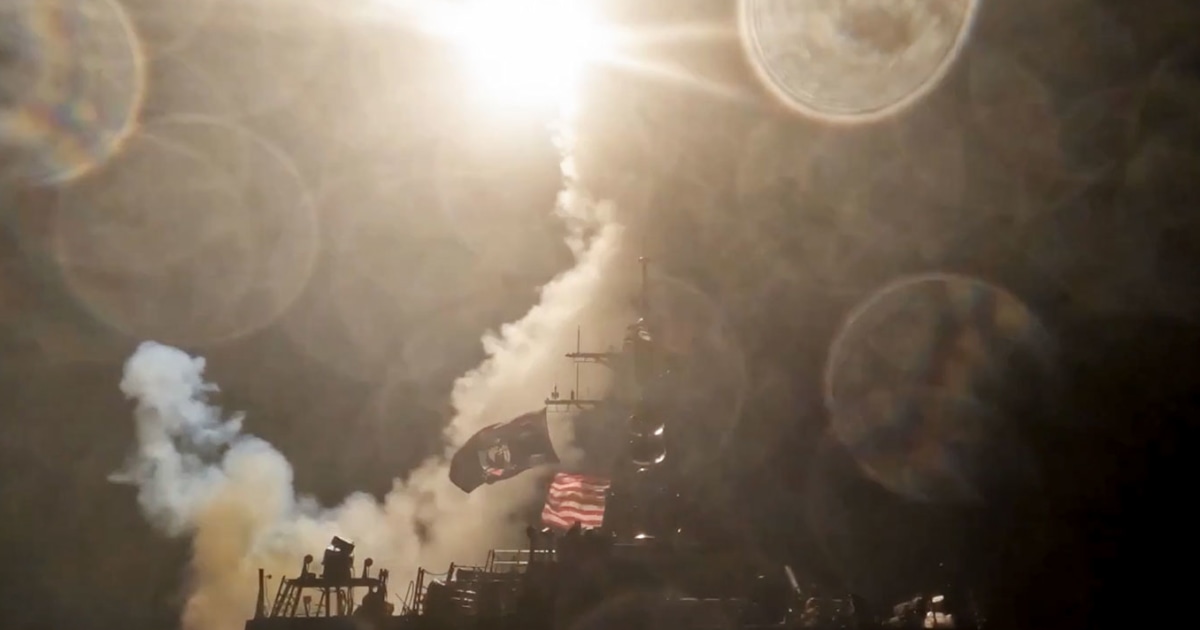
Jordanian military authorities contradicted reports of successful strikes within their borders, stating that air-defence systems intercepted three Iranian missiles before they reached their targets. According to Jordanian officials, the interceptions resulted in no casualties or property damage. Similar defensive responses were reported in other regional nations; authorities in Bahrain, Qatar, and Kuwait confirmed their air-defence systems were active. In Qatar, an official report noted that a child sustained injuries caused by falling shrapnel during an interception.
The Iranian military action followed a sixth consecutive night of American strikes on Iranian infrastructure. These operations, aimed at what the United States military identifies as logistics infrastructure and maritime capabilities, have resulted in visible damage across Hormozgan province. Reports indicate that six bridges were struck, including one under construction, and a railway junction near the port city of Bandar Abbas was hit. Additionally, the maritime control tower at the port of Chabahar was destroyed, an event confirmed by an image shared by the United States Secretary of Defense.
The impact of these operations on the civilian population and infrastructure is significant. According to reports from the Iranian state news agency IRNA, recent strikes have resulted in fatalities and injuries. Further data from Iranian health officials suggests a higher cumulative casualty count from the past week of conflict. Beyond physical damage, the energy ministry in Iran has requested that residents in southern provinces reduce electricity consumption following strikes on power infrastructure.
The conflict has caused substantial disruptions to global energy transit. Since Iran declared the closure of the Strait of Hormuz on 12 July 2026, and the United States subsequently reinstated a naval blockade to enforce shipping routes, daily vessel traffic has dropped significantly. Data indicates that only a limited number of ships are currently traversing the waterway, a sharp decline from previous volumes. This instability has contributed to a 10 percent increase in oil prices.
Diplomatic channels appear to remain active despite the military exchanges. The White House indicated that Iran has expressed an interest in reaching an agreement, while President Donald Trump stated in a primetime address that his administration expects positive results from its current strategy.
"We are likewise winning big in Iran, and you will see the fruits of that labor very, very shortly,"
President Donald Trump, via NBC News
How significant is this development?
Contribute your assessment to the aggregated reader sentiment ledger.
Frequently Asked Questions
Key questions answered in this reportWhat is the key development in: Iran claims to have downed US aircraft in Jordan after American strikes?
The IRGC claims its missile and drone attacks destroyed U.S. aircraft in Jordan, though Jordan’s military reports intercepting the missiles without damage.
Why is this World development significant for the UK?
This report covers critical events in our World beat. Independent reporting monitors related UK statements, regulatory shifts, and public responses as further verified details emerge.
How was this reporting corroborated and verified?
Newsarchy UK compiles and cross-references reporting from primary reporting from nbcnews.com and cross-checked wire reports. All coverage adheres to published editorial standards.
When was this report published?
This briefing was published on July 17, 2026 and is permanently cataloged in the Newsarchy UK World archives.