China ‘strongly dissatisfied’ following decision to nationalise British Steel
The UK government has formally brought British Steel into public ownership to secure national supply chains and industrial capacity. China has expressed strong dissatisfaction with the move, citing concerns over investor protections.
- Core Development: The UK government has formally brought British Steel into public ownership to secure national supply chains and industrial capacity. China has expressed strong dissatisfaction with the move, citing concerns over investor protections.
- Beat Context: Categorized under Business with independent corroboration.
- Reporting Depth: 3 minute analytical read synthesized from verified newsroom sources.
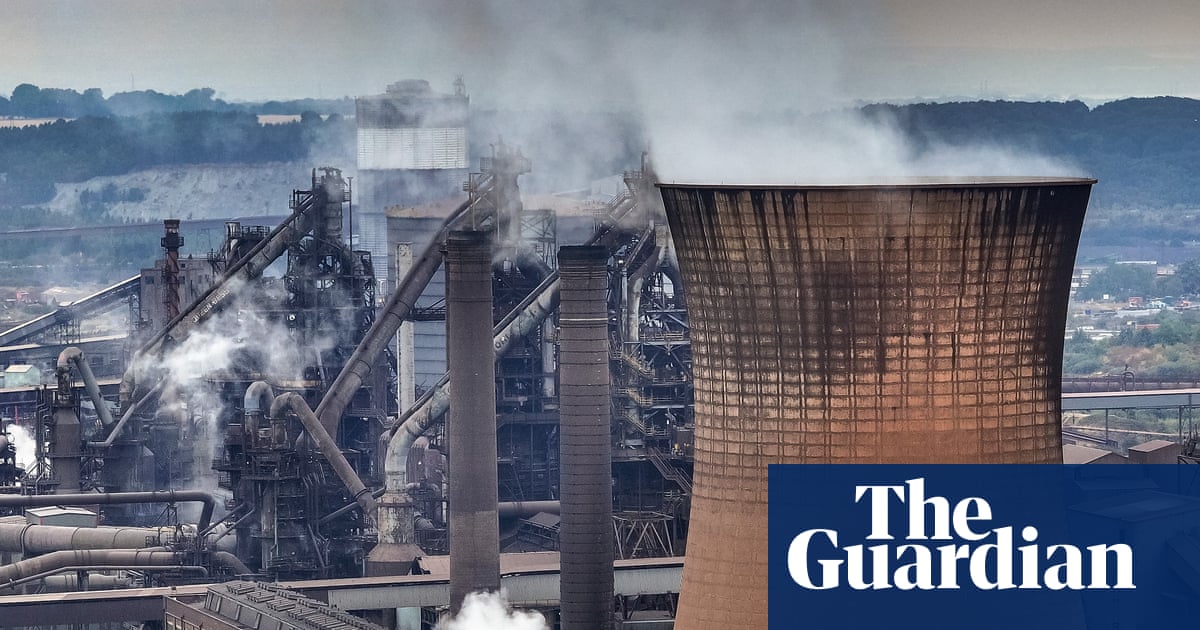
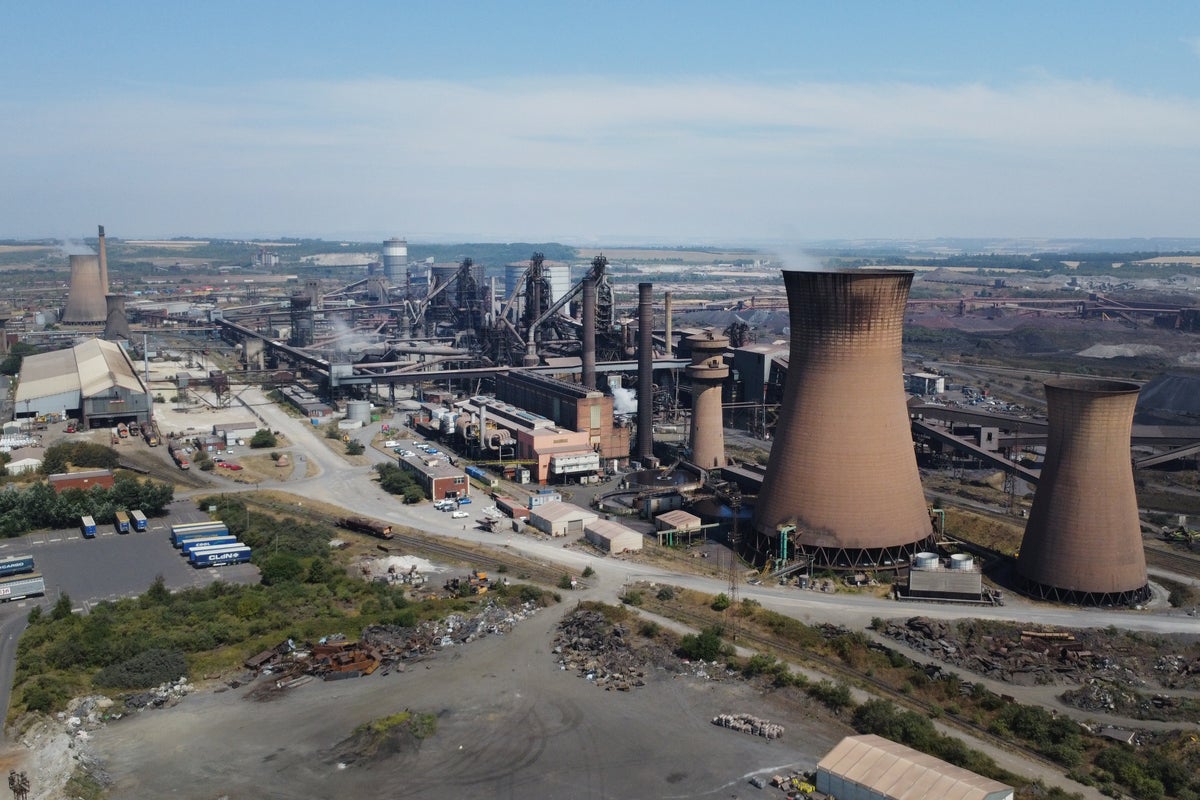
The UK government has formally brought British Steel into public ownership, triggering an immediate and sharp diplomatic rebuke from Beijing. The state takeover, confirmed on Thursday, 16 July 2026, marks a decisive shift in Britain's industrial policy but has simultaneously ignited tensions regarding foreign investment protections.
The transition follows the Steel Industry (Nationalisation) Act 2026 receiving royal assent, granting ministers the legal authority to transfer assets into the public domain. Previously, the Scunthorpe-based steelmaker was owned by the Chinese industrial firm Jingye Group.
Media additions
Beijing’s Formal Opposition
China’s Ministry of Commerce (Mofcom) issued a statement on Friday, 17 July 2026, expressing that the country is "strongly dissatisfied" with the move. The ministry accused the UK of disregarding Jingye Group’s contributions to the British economy and society. According to Mofcom, the British government "forcibly took control of British Steel and subsequently nationalised the company in the name of national security," an action Beijing claims severely undermines the confidence of Chinese investors operating within the UK.
The ministry further indicated that it would "closely follow developments" and support Chinese firms in safeguarding their rights through legal avenues. Officials in Beijing have explicitly urged the UK to abide by international rules and fulfill its obligations under the China-UK bilateral investment treaty, calling for fair and impartial treatment of Chinese companies.
The Government Rationale
For the UK government, the decision is framed as a necessary intervention to preserve national security and industrial independence. Prime Minister Sir Keir Starmer stated on Thursday that the action "secures the future of steelmaking in the UK, protects skilled jobs and safeguards a vital national capability."
The Department for Business and Trade maintains that the move is essential to keep the Scunthorpe blast furnaces operational and to ensure the resilience of UK supply chains. Business Secretary Peter Kyle noted that the government's primary focus is now on stabilising the business and transitioning it into a "commercially sustainable, low-carbon enterprise."
This follows a period of instability where the site faced potential closure. In April of last year, Parliament was recalled on a Saturday to pass special measures to keep the plant running after Jingye threatened to withdraw support.
Comparison of Perspectives
| Stakeholder | Stance on Nationalisation |
|---|---|
| UK Government | Essential to secure supply chains, protect jobs, and ensure national industrial capacity. |
| China (Mofcom) | "Strongly dissatisfied"; views the takeover as a violation of investment protections and a blow to investor confidence. |
| Conservative Party | Concerned over the fiscal impact of assuming responsibility for the loss-making entity’s liabilities. |
What Happens Next
Key developments to monitor include:
- Compensation Claims: An independent assessor is expected to be appointed to determine whether Jingye Group is entitled to compensation for the assets taken into public ownership.
- Legal Action: China has indicated it will support firms in protecting their rights, raising the possibility of formal legal challenges or arbitration.
- Operational Strategy: The new leadership team will need to present a plan for the future of the Scunthorpe blast furnaces, with decisions pending on long-term investments in low-carbon steel production technology.
- Diplomatic Relations: This incident serves as a fresh test of the geopolitical relationship between London and Beijing, which has seen repeated friction in recent years, including the removal of Huawei equipment from 5G networks and the exclusion of China General Nuclear from the Sizewell C project.
While ministers argue that the state must step in to prevent Britain from becoming "in hock to global markets," the international reaction suggests that the costs of this intervention may extend beyond the domestic balance sheet into the realm of foreign trade relations.
How significant is this development?
Contribute your assessment to the aggregated reader sentiment ledger.
Frequently Asked Questions
Key questions answered in this reportWhat is the key development in: China ‘strongly dissatisfied’ following decision to nationalise British Steel?
The UK government has formally brought British Steel into public ownership to secure national supply chains and industrial capacity. China has expressed strong dissatisfaction with the move, citing concerns over investor protections.
Why is this Business development significant for the UK?
This report covers critical events in our Business beat. Independent reporting monitors related UK statements, regulatory shifts, and public responses as further verified details emerge.
How was this reporting corroborated and verified?
Newsarchy UK compiles and cross-references reporting from primary reporting from theguardian.com and cross-checked wire reports. All coverage adheres to published editorial standards.
When was this report published?
This briefing was published on July 17, 2026 and is permanently cataloged in the Newsarchy UK Business archives.