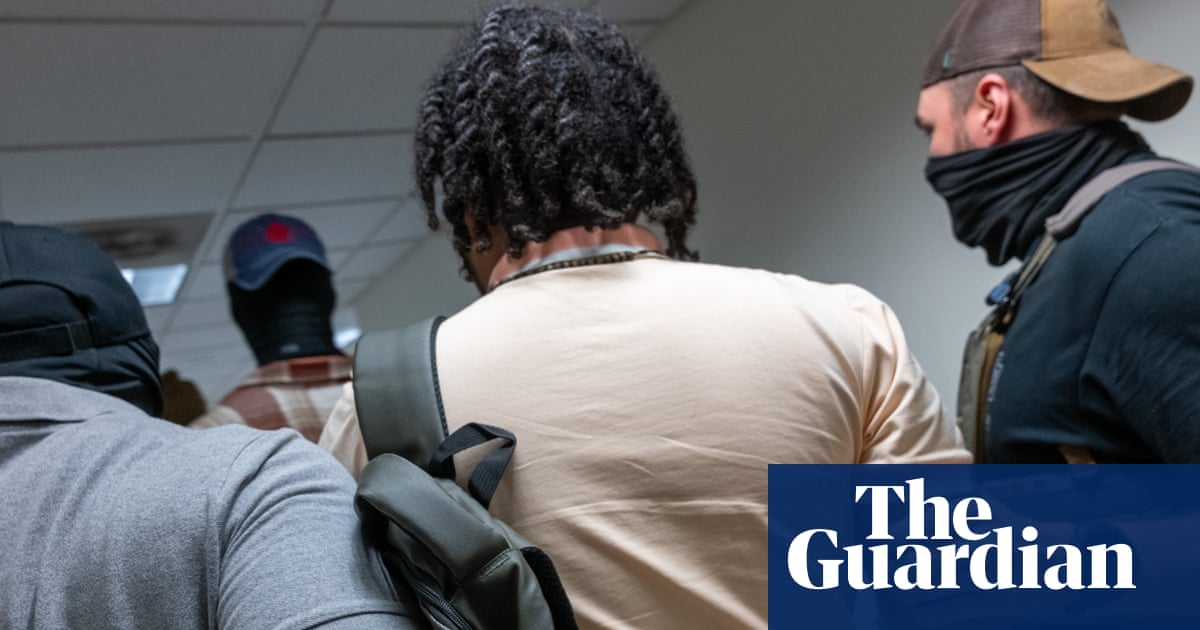
US-Iran War Live Updates: Fresh US strikes revive fear, uncertainty among Iranians
Fresh U.S. military strikes have shattered a fragile ceasefire, intensifying regional conflict and disrupting global energy transit through the Strait of Hormuz.
- Core Development: Fresh U.S. military strikes have shattered a fragile ceasefire, intensifying regional conflict and disrupting global energy transit through the Strait of Hormuz.
- Beat Context: Categorized under World with independent corroboration.
- Reporting Depth: 3 minute analytical read synthesized from verified newsroom sources.
Fresh U.S. Airstrikes have shattered the brief lull that followed a fragile cease‑fire, sending Iranians back into a state of fear and uncertainty. The new wave of attacks, ordered by President Donald Trump, has killed dozens, crippled bridges and a tower at the strategic Chabahar port, and provoked a fresh salvo of missiles and drones toward U.S. Allies in the Gulf, raising the specter of a broader regional war.
Intensified strikes and expanding targets
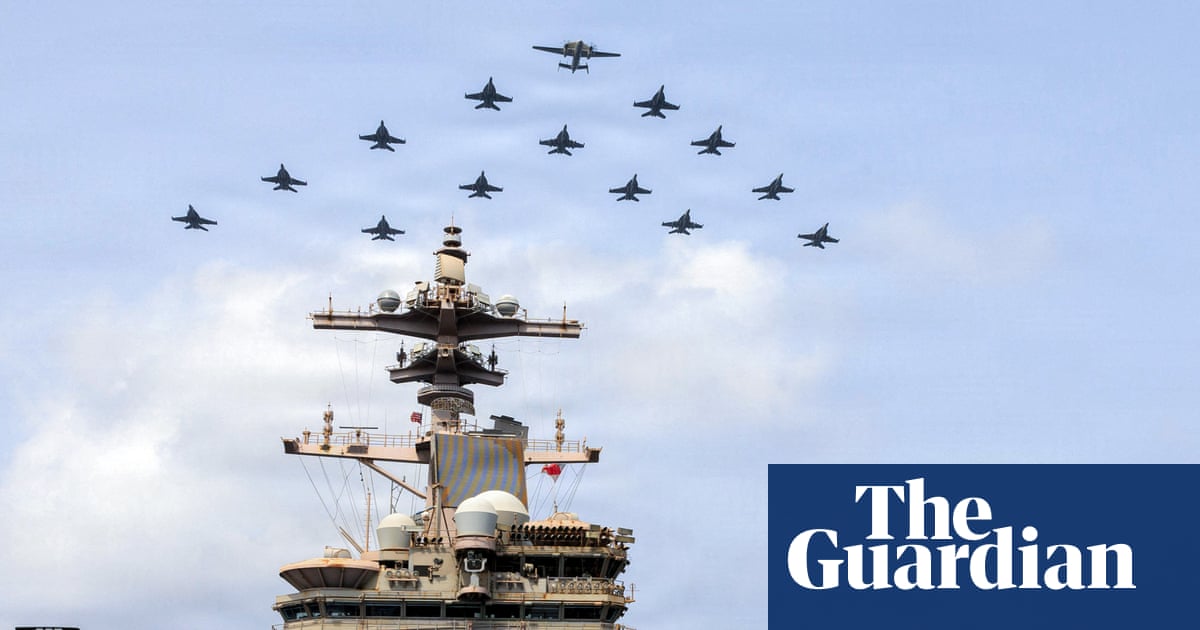
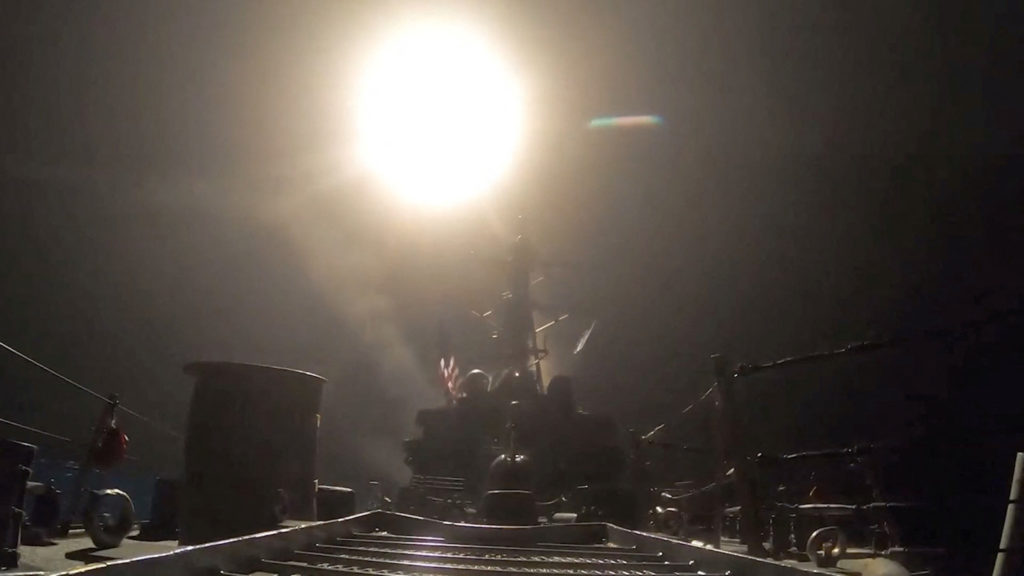
U.S. Central Command said strikes continued through at least 2 p.m. Eastern Time, marking the fifth straight day of U.S. Attacks on Iranian military targets. Fighter jets, drones and warships struck dozens of targets, including coastal surveillance and air defence sites, military logistics infrastructure and maritime capabilities. State media in Tehran reported strikes Thursday morning around the provinces of Hamedan, Hormozgan, Khuzestan, Lorestan, Markazi, and Sistan and Baluchistan.
Media additions
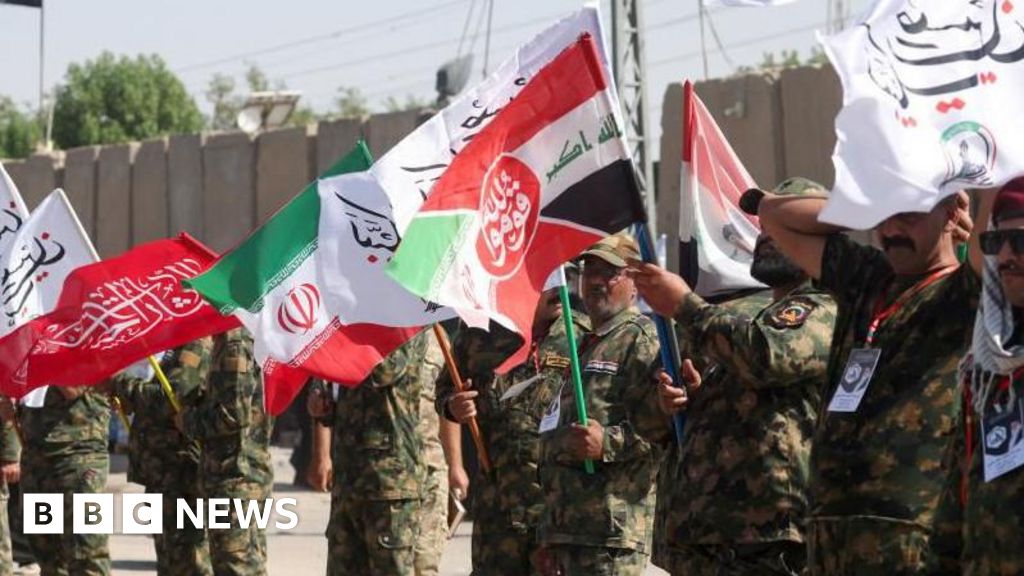
According to the Scripps News report, the U.S. Also fired on the Curacao‑flagged tanker Belma sailing toward Kharg Island, Iran’s main oil export terminal, after the vessel “ignored multiple warnings”. The Associated Press story added that the strike collapsed a tower at Chabahar, a key trade route for land‑locked Afghanistan.
Iran retaliated with missile and drone fire targeting U.S. Allies in the region before dawn and warned its attacks may escalate. Qatar’s interior ministry reported a child wounded by falling missile‑interception debris.
Human cost on both sides
As of 6 a.m. Friday, the U.S. Strikes had killed at least 38 people and wounded more than 400 in Iran, Health Ministry spokesperson Hossein Kermanpour said.
Economic shockwaves
The renewed fighting has again disrupted shipping through the Strait of Hormuz, the world's most critical oil transit chokepoint, raising concerns over global energy supplies. A tanker transiting the Strait of Hormuz along the shipping route closest to Oman came under attack, the British military's United Kingdom Maritime Trade Operations (UKMTO) said on Friday.
Brent crude futures slipped 24 cents, or 0.28%, to $84.95 a barrel as of 0435 GMT, while U.S. West Texas Intermediate futures fell 15 cents, or 0.19%, to $79.45 a barrel, according to the Economic Times live‑blog.
Diplomatic overtures amid the escalation
Pakistan's Foreign Ministry on Thursday rejected suggestions that Islamabad had abandoned efforts to bring Washington and Tehran back to the negotiating table after brokering an initial ceasefire agreement last month that has now collapsed. Pakistan’s foreign ministry spokesperson Tahir Andrabi insisted that “the formula for peace is there”.
Key statements from the leaders
“We are likewise winning big in Iran, and you will see the fruits of that labour very, very shortly.”
– President Donald Trump, Economic Times“All the infrastructure in the region will be crushed under the steel blows of the powerful armed forces of the Islamic Republic of Iran” should Trump’s threat be carried out
– Col. Ebrahim Zolfaghari, Scripps News“We’ll find out whether or not we settle with them, or we just finish it off.”
– President Donald Trump, speech at the U.S. Army War College, Scripps News
Timeline of the latest escalation
| Date | Event |
|---|---|
| 28 Feb 2026 | U.S. And Israel launch war on Iran; Tehran closes the Strait of Hormuz. |
What to watch next
- Whether the United States will reopen the strait by force, but experts say that would require a much bigger armada if not tens of thousands of ground troops.
- Iran has also signalled it could encourage Yemen's Houthis to target the Bab al-Mandeb Strait if U.S. Attacks continue.
The war’s next phase hinges on whether diplomatic pressure can outpace the kinetic back‑and‑forth that has already scarred Iran’s southern provinces, crippled a key port, and pushed the Gulf’s civilian populations into a new round of hardship.
How significant is this development?
Contribute your assessment to the aggregated reader sentiment ledger.
Frequently Asked Questions
Key questions answered in this reportWhat is the key development in: US-Iran War Live Updates: Fresh US strikes revive fear, uncertainty among Iranians?
Fresh U.S. military strikes have shattered a fragile ceasefire, intensifying regional conflict and disrupting global energy transit through the Strait of Hormuz.
Why is this World development significant for the UK?
This report covers critical events in our World beat. Independent reporting monitors related UK statements, regulatory shifts, and public responses as further verified details emerge.
How was this reporting corroborated and verified?
Newsarchy UK compiles and cross-references reporting from primary reporting from apnews.com and cross-checked wire reports. All coverage adheres to published editorial standards.
When was this report published?
This briefing was published on July 17, 2026 and is permanently cataloged in the Newsarchy UK World archives.