Strait of Hormuz shipping halts as US and Iran renew hostilities
Global energy transit faces severe disruption as a failed ceasefire leads to a naval blockade and significantly reduced shipping traffic in the Strait of Hormuz.

- Core Development: Global energy transit faces severe disruption as a failed ceasefire leads to a naval blockade and significantly reduced shipping traffic in the Strait of Hormuz.
- Beat Context: Categorized under World with independent corroboration.
- Reporting Depth: 3 minute analytical read synthesized from verified newsroom sources.
Shipping traffic through the Strait of Hormuz has plummeted as the United States and Iran resume hostilities, effectively stalling one of the world’s most critical energy chokepoints. The vital waterway — which typically handles roughly 20 percent of global energy supplies — faces severe disruption following a collapsed ceasefire and renewed military strikes by both nations.
The latest instability stems from a rapid breakdown in the memorandum of understanding signed last month. Following a series of attacks on commercial vessels near the strait, United States Central Command initiated a naval blockade of Iranian ports and coastal areas on Tuesday, 14 July 2026. The move marks a return to the high-tension environment that followed the outbreak of war on 28 February 2026.
Media additions


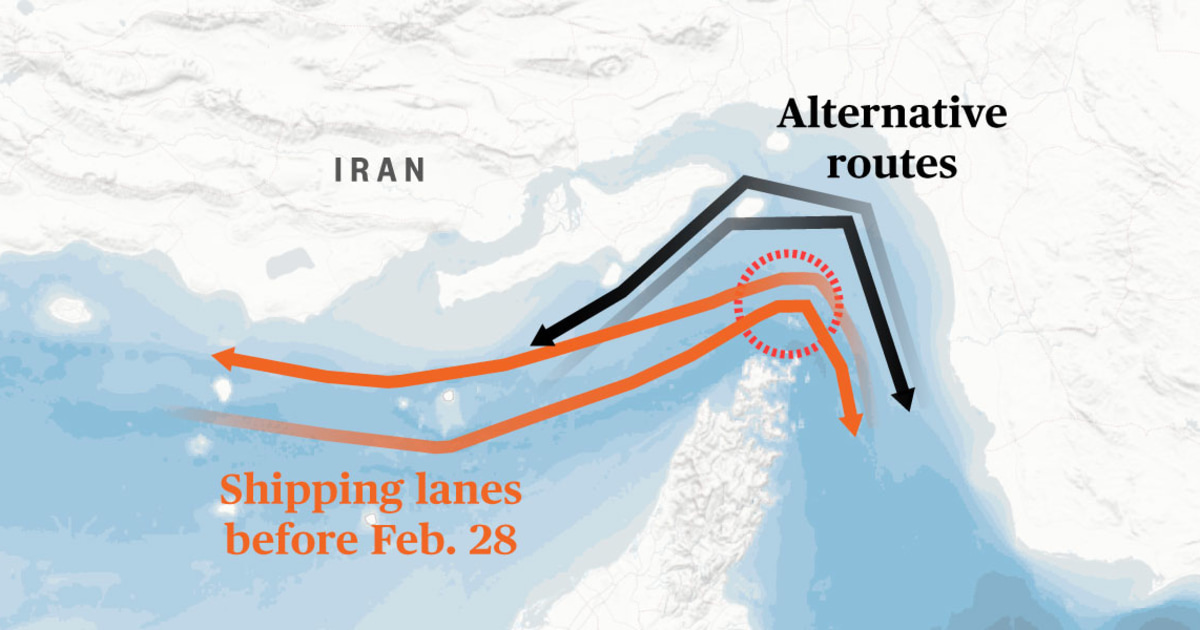
Maritime Traffic Grinds to a Halt
Maritime data indicates that the volume of vessels passing through the strait has fallen sharply. According to Lloyd’s List Intelligence, no large vessels have transited the U.S.-coordinated "Southern Highway" while broadcasting their location since 7 July 2026. While some ships have attempted to cross "dark", switching off their automatic identification systems, the overall number of daily transits has dwindled to a fraction of the approximately 130 vessels recorded daily before the conflict began.
Vessel movements are now largely concentrated along a northern route authorized by Iran, while the U.S.-backed Omani corridor remains quiet. The disruption has halted liquefied natural gas (LNG) tanker movements, with several carriers turning away from the strait entirely. The United Kingdom Maritime Trade Operations has maintained a "Severe" threat level for the region, warning that shipping lines are adopting a cautious posture
as the elevated threat environment persists.
Conflicting Claims Over Control
The escalation has been marked by a battle over maritime management. Iran has asserted control over the strait, insisting that vessels receive permission and follow routes mandated by Tehran. Conversely, the U.S. Continues to classify the waterway as international territory. A Mideast specialist at the Washington Institute for Near East Policy, Michael Singh, noted that the now-defunct memorandum of understanding contained ambiguous language regarding the responsibility for safe passage, which both nations have interpreted to suit their own strategic goals.
The diplomatic situation remains volatile. While President Donald Trump initially proposed a 20 percent cargo fee for ships utilizing the strait, he later pivoted, stating he would instead pursue trade and investment deals with Gulf partners. Meanwhile, Iranian officials, including deputy foreign minister Kazem Gharibabadi, have declared the previous understanding with the U.S. Void. Tehran has continued to strike targets it identifies as "non-compliant" with its maritime policies, while launching missile and drone attacks against U.S. Military infrastructure in Bahrain, Kuwait, Qatar, Jordan, and Iraq.
Global Economic and Human Impact
The volatility has sent energy markets into flux. Brent crude prices surged earlier in the week, with analysts at TD Securities warning of further upward pressure as oil inventories wane during the summer months. Industry experts emphasize that the crisis extends beyond crude oil, noting significant supply chain pressures on refined products like diesel.
Beyond the markets, there is mounting concern for the human cost of the conflict. Elizabeth Kennedy Trudeau, a former senior U.S. Diplomat, argues that the international community must not lose sight of the experiences of ordinary Iranians, whose daily lives are deeply affected by the regime’s military activities, Internet restrictions, and the broader economic hardship resulting from the ongoing war.
What to Watch Next
- Diplomatic Channels: While the ceasefire is currently in tatters, Iranian officials have indicated they remain in communication with regional mediators, including Oman, Qatar, and Pakistan.
- Military Posture: U.S. Central Command reports more than 20 warships and hundreds of aircraft operating in the region, signaling a sustained naval presence.
- Market Stability: Analysts are monitoring supply chain data to see if shipping companies will permanently shift to longer, alternative routes to avoid the risks posed by the strait.
- Internal Leadership: The public reaction of Iran's Supreme Leader Mojtaba Khamenei to the death of his father remains a primary concern for regional security, as he has vowed to avenge the loss of Iranian leadership.
As the conflict continues, the ability of both nations to control the Strait of Hormuz remains the central flashpoint.
How significant is this development?
Contribute your assessment to the aggregated reader sentiment ledger.
Frequently Asked Questions
Key questions answered in this reportWhat is the key development in: Strait of Hormuz shipping halts as US and Iran renew hostilities?
Global energy transit faces severe disruption as a failed ceasefire leads to a naval blockade and significantly reduced shipping traffic in the Strait of Hormuz.
Why is this World development significant for the UK?
This report covers critical events in our World beat. Independent reporting monitors related UK statements, regulatory shifts, and public responses as further verified details emerge.
How was this reporting corroborated and verified?
Newsarchy UK compiles and cross-references reporting from primary reporting from npr.org and cross-checked wire reports. All coverage adheres to published editorial standards.
When was this report published?
This briefing was published on July 17, 2026 and is permanently cataloged in the Newsarchy UK World archives.


