Mojtaba Khamenei Unlikely to Attend Father’s Funeral Over Security Risks
Security agencies have advised against Mojtaba Khamenei appearing in public, citing significant safety risks following his father's death. His continued absence raises questions about the stability of the leadership transition and his role as the new Supreme Leader.
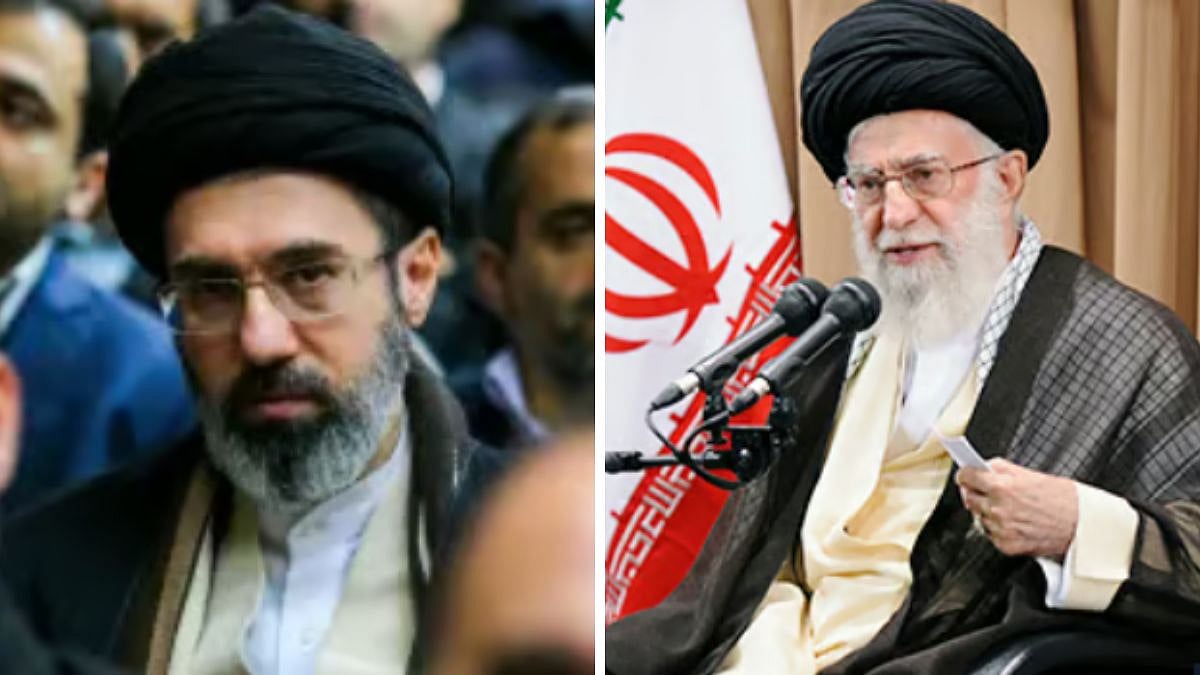
- Core Development: Security agencies have advised against Mojtaba Khamenei appearing in public, citing significant safety risks following his father's death. His continued absence raises questions about the stability of the leadership transition and his role as the new Supreme Leader.
- Beat Context: Categorized under World with independent corroboration.
- Reporting Depth: 3 minute analytical read synthesized from verified newsroom sources.
“I was in Iran last week and met some friends who had seen him. They told me he wants to go out, wants to meet people—but security services won’t allow him to come. They told me: ‘It’s too dangerous; we cannot guarantee his safety.’ I think he won’t appear in public.”
Ayatollah Hakim Elahi, spokesperson for the late Ayatollah Ali Khamenei, via Athens Times
The Supreme Leader’s representative in India, Ayatollah Hakim Elahi, told India Today that the 56‑year‑old son “wanted to attend the funeral and even lead the funeral prayers”, but that “security agencies have advised against any public appearance, citing significant safety risks.” The same remarks were reproduced in reports by Free Press Journal, Bombay Samachar and ABP Live. In each case Elahi emphasized that “they said it is very dangerous and we cannot provide security for him”, leaving the son’s fate in the hands of Tehran’s security apparatus.
Media additions


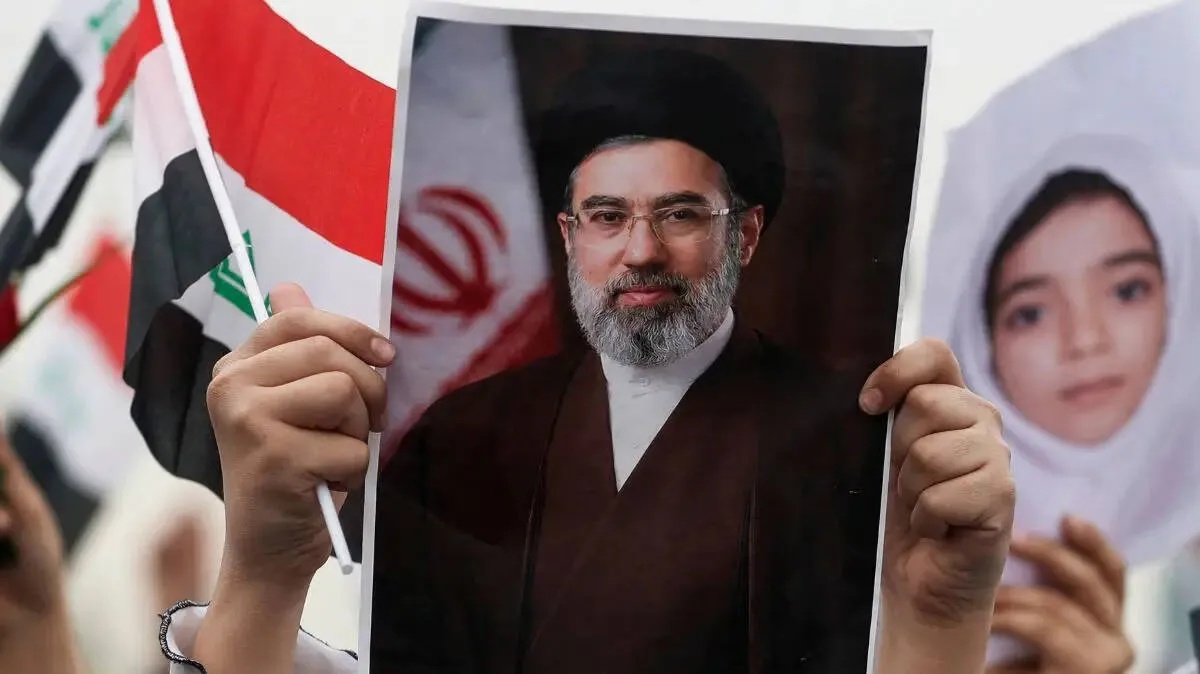
Keralakaumudi reports that the strike on 28 February 2026 that killed Ayatollah Ali Khamenei left Mojtaba with “serious injuries to his face and leg”. State media has since framed his condition as “recovering” and “mentally strong”, yet the Supreme Leader has not spoken on camera since March, communicating only through written statements that are disseminated by the regime.
According to Times Now, Iranian officials have already declared Mojtaba the “new Supreme Leader of Iran”. The outlet notes that the government claims he is “directing Tehran’s negotiations with Washington” while he remains out of public view. If he were to appear during the funeral processions, it would be “his first public appearance since the war began” and could “help establish legitimacy at home and abroad”. Conversely, his continued absence “could fuel doubts about his well‑being and who is running the country”.
Bombay Samachar describes it as “one of the most significant moments in the Islamic Republic’s 47‑year history”. State‑run broadcasts will open with a condolence meeting at the Imam Khomeini Grand Mosalla Complex on 3 July, followed by a memorial programme on 4 July in Tehran. Processions are slated for Qom and Mashhad, with additional commemorations in Iraq, before the burial in Mashhad on 9 July. The schedule aligns with the timeline published by ABP Live.
ABP Live cites media reports that “nearly 20 million people could attend the various events”, though the figure has not been formally confirmed.
In a statement carried by state media and quoted by Reuters, Khatam al‑Anbiya commander Ali Abdollahi warned, “We warn the enemies of Iran, especially the U.S. And the Zionist regime (Israel), to avoid any miscalculation and to think about the harsh retaliation our armed forces would make to any threat and aggression against our country.” Times Now added that Foreign Minister Abbas Araqchi pledged an “immediate and powerful response” after Israeli Defence Minister Israel Katz remarked that Mojtaba was “marked for death”.
Former External Affairs Minister Salman Khurshid told India Today that his trip to Tehran is “both diplomatic and humanitarian”, adding, “Today, in their sympathy, and at the time of their grief, we can go and share their grief.” Bombay Samachar reports that senior BJP leader Mukhtar Abbas Naqvi, PDP president Mehbooba Mufti and Congress president Mallikarjun Kharge have all received formal invitations. The invitation letter, referenced by ABP Live, notes a condolence meeting on 3 July and a memorial programme on 4 July, with the main funeral procession set for 6 July.
While the regime stresses continuity—citing Mojtaba’s written messages that pledge to “continue putting pressure on its enemies” and to block the Strait of Hormuz—outside observers watch for any deviation.
How significant is this development?
Contribute your assessment to the aggregated reader sentiment ledger.
Frequently Asked Questions
Key questions answered in this reportWhat is the key development in: Mojtaba Khamenei Unlikely to Attend Father’s Funeral Over Security Risks?
Security agencies have advised against Mojtaba Khamenei appearing in public, citing significant safety risks following his father's death. His continued absence raises questions about the stability of the leadership transition and his role as the new Supreme Leader.
Why is this World development significant for the UK?
This report covers critical events in our World beat. Independent reporting monitors related UK statements, regulatory shifts, and public responses as further verified details emerge.
How was this reporting corroborated and verified?
Newsarchy UK compiles and cross-references reporting from primary reporting from english.bombaysamachar.com and cross-checked wire reports. All coverage adheres to published editorial standards.
When was this report published?
This briefing was published on July 3, 2026 and is permanently cataloged in the Newsarchy UK World archives.