Trump tells Zelensky to stop striking Russian diesel infrastructure
U.S. President Donald Trump publicly urged Ukrainian President Volodymyr Zelenskyy to halt long-range drone strikes on Russian diesel infrastructure, warning the attacks worsen global shortages as U.S. diesel prices cross $6 a gallon.

U.S. President Donald Trump publicly demanded that Ukrainian President Volodymyr Zelenskyy halt long-range drone strikes targeting Russia's diesel fuel infrastructure, warning that the attacks are exacerbating a global diesel shortage. Speaking on Sunday, September 13, 2026, on the sidelines of the Irish Open at his family's golf course in Doonbeg, Ireland, Trump told journalists that Kyiv must redirect its military operations away from petroleum production facilities that feed domestic and international markets. The intervention introduces a fresh diplomatic friction point into Washington's world engagement strategy, arriving as domestic energy costs climb and international markets grapple with overlapping supply disruptions.
The U.S. Leader's public directives underscore mounting anxieties within Washington regarding domestic energy costs and economic stability ahead of upcoming political cycles. According to the Washington Examiner, the surge in diesel prices—which GasBuddy price tracker data recorded at over $6 a gallon for the first time in history on Thursday—presents a distinct political liability. Diesel fuel powers the nation's logistics network, commercial freight, maritime shipping, and agricultural equipment, meaning retail spikes quickly ripple through broader consumer prices.
Media additions

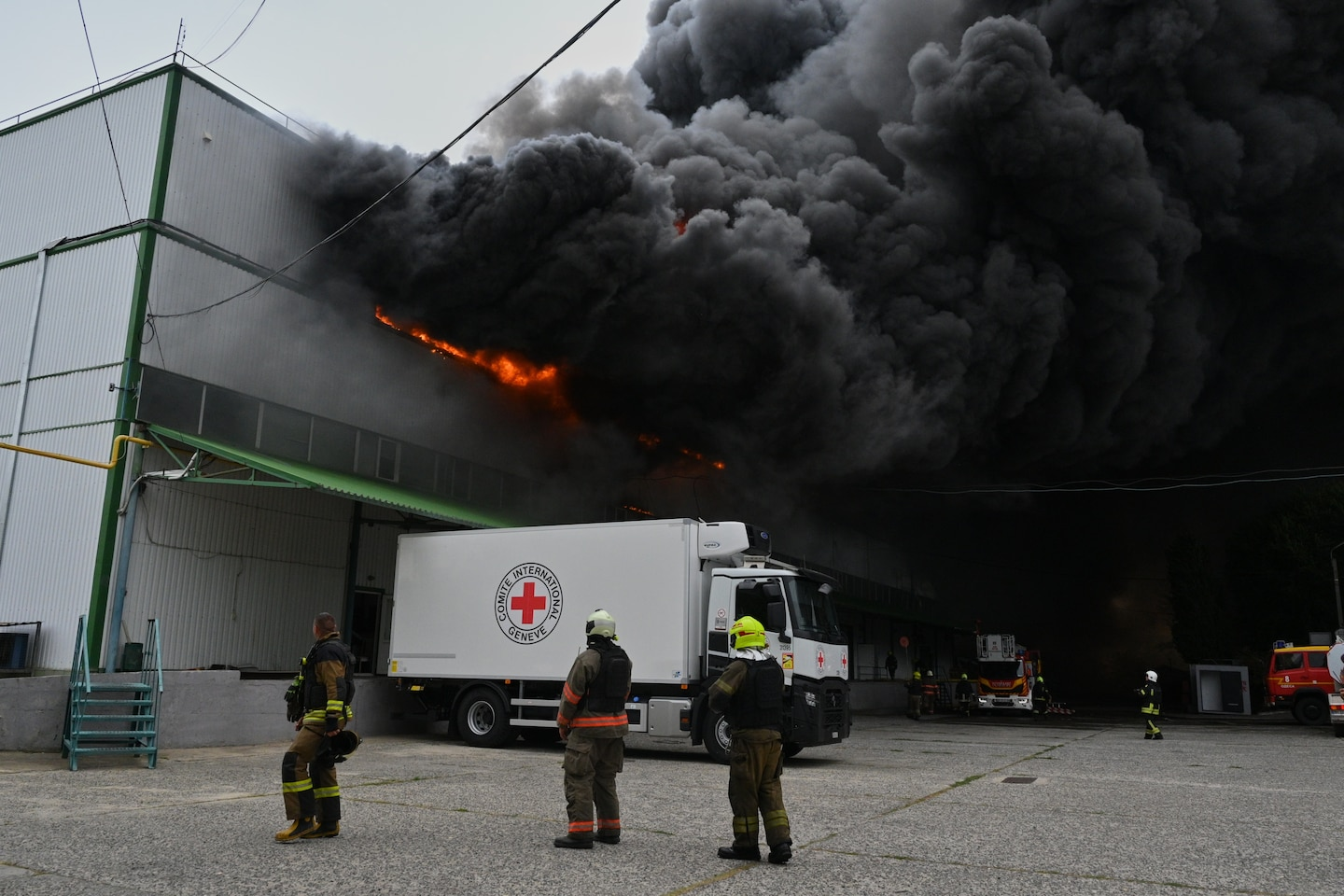
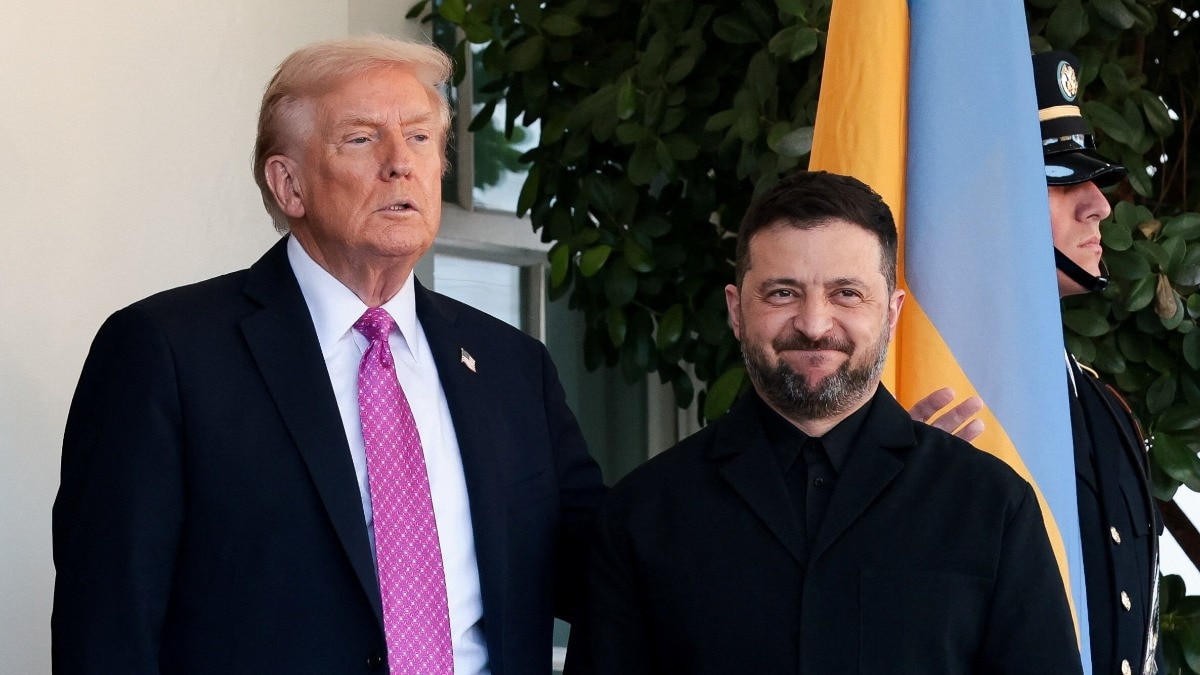
"Mr. Zelensky has to do one thing. He has to stop knocking out diesel fuel in Russia," Trump said, as reported by the Kyiv Independent. India Today noted that the U.S. President explicitly pointed toward alternative objectives for Kyiv's military planners, stating that there are "plenty of other targets" available that do not disrupt global energy supplies.
Trump asserted that the current international diesel scarcity stems directly from the ongoing conflict in Eastern Europe rather than developments in the Middle East, though primary reporting from the Kyiv Independent also highlighted that concurrent U.S. Military operations against Iran have crippled over 20% of Middle Eastern refining capacity and blocked transit through the Strait of Hormuz.
| Metric / Event | Detail | Source Attribution |
|---|---|---|
| U.S. Diesel Price Milestone | Exceeded $6 a gallon for the first time on Thursday | GasBuddy via Reuters / KFGO |
| Russian Civilian Casualties (Tatarstan) | 2 dead, 14 injured in Nizhnekamsk drone strike | Regional Authorities / The Washington Sun |
| Odesa Nighttime Barrage | At least 9 injured in massive assault | Serhii Lysak via India Today |
| Russian Interception Claim | 389 Ukrainian drones shot down overnight | Russian Defense Ministry via UA.News |
Kyiv has consistently defended its systematic drone campaign against Russian energy installations as a vital countermeasure designed to deprive Moscow of the financial revenues and petroleum supplies required to sustain its military operations. Despite Washington's objections, Ukrainian forces pressed forward with long-range strikes. The Washington Sun reported that Ukraine's Defense Intelligence Directorate claimed responsibility for striking a major oil processing unit and tank farm at an oil refinery in Slavyansk-on-Kuban within Russia's Krasnodar region.
The operational cost of the conflict remains severe on both sides of the border. Regional authorities in Russia's Republic of Tatarstan reported that two civilians were killed and fourteen others injured in Nizhnekamsk when a drone crashed near a parked car. Mayor Radmir Belyaev confirmed a subsequent fire at a local enterprise housing major petrochemical and oil refining installations, according to AzerNews coverage. Meanwhile, the Russian Ministry of Defence claimed its air defense networks intercepted 389 Ukrainian drones overnight across multiple regions and occupied Crimea.
The aerial exchange extended deep into Ukrainian territory, where civilian centers and transit routes endured sustained bombardments. India Today noted that a massive overnight assault on the Black Sea port hub of Odesa injured at least nine people, following a residential high-rise strike that killed two individuals and injured 26 others. In western Ukraine, a Russian drone struck near the Yahodyn-Dorohusk border crossing with Poland, igniting a petrol station fire and prompting Polish authorities to scramble fighter jets along NATO's eastern flank.
Diplomatic channels remain active despite the battlefield escalation. Kremlin spokesperson Dmitry Peskov stated that Moscow remains open to tripartite peace negotiations involving Russia, Ukraine, and the United States, pointing to October as a possible window for resuming talks. These discussions follow prior high-level diplomatic contacts between U.S. Envoys and leadership in both Kyiv and Moscow, though fundamental disagreements regarding territorial sovereignty and regional control continue to impede a breakthrough.
What to Watch Next
- Whether Kyiv scales back its long-range refinery drone campaign in response to direct pressure from Washington.
- Upcoming legislative actions in Washington concerning proposed sanctions packages targeting international buyers of Russian energy.