US strikes on Iran were 'absolutely necessary', says NATO chief Mark Rutte
NATO Secretary-General Mark Rutte has defended recent U.S. air strikes on Iran as necessary, highlighting a growing divide among alliance members.
- Core Development: NATO Secretary-General Mark Rutte has defended recent U.S. air strikes on Iran as necessary, highlighting a growing divide among alliance members.
- Beat Context: Categorized under World with independent corroboration.
- Reporting Depth: 4 minute analytical read synthesized from verified newsroom sources.
At the start of a NATO summit in Ankara, the alliance’s secretary‑general declared that the United States’ fresh barrage of air strikes on Iran was “absolutely necessary”.
On July 7, U.S. Central Command announced that “over 80” Iranian sites – ranging from air‑defence systems and coastal radars to more than 60 Revolutionary Guard small boats – had been hit with precision munitions. The strikes came after three commercial vessels – the Marshall Islands‑flagged M/T Al Rekayyat, Saudi Arabia‑flagged M/T Wedyan and Liberian‑flagged M/T Cyprus Prosperity – were struck by projectiles in the Strait of Hormuz.
Media additions

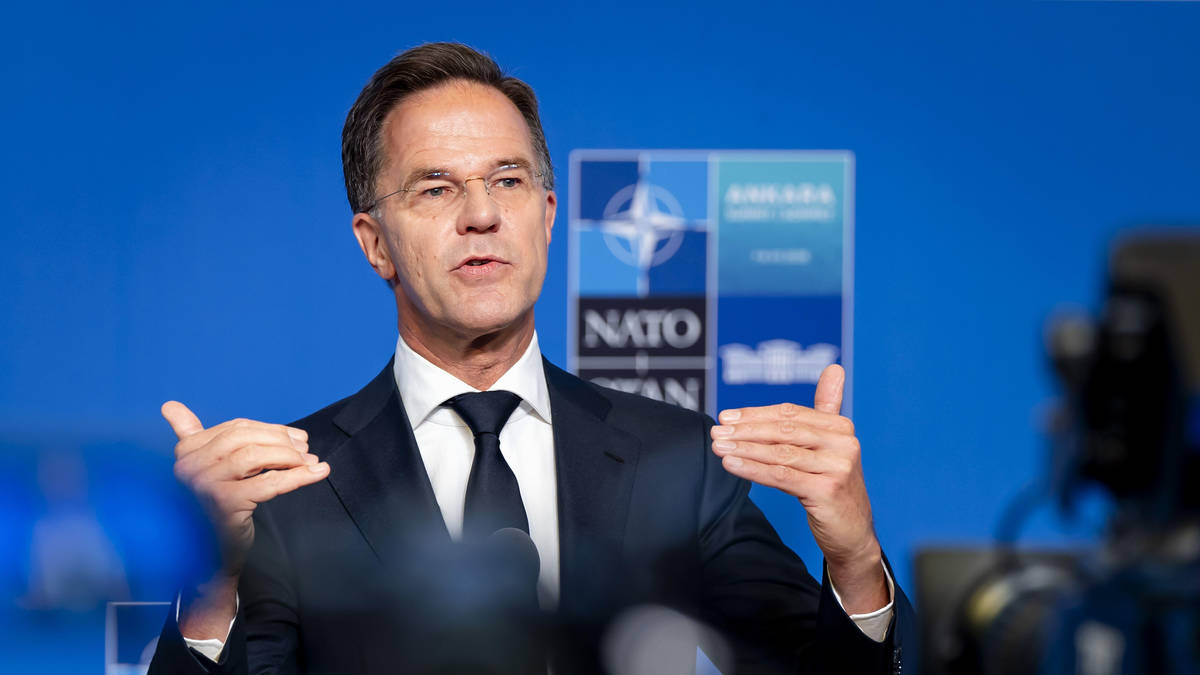

“I think it was absolutely necessary because when you have a ceasefire and Iran is basically violating a ceasefire, we see what happened yesterday,”
Mark Rutte, NATO Secretary‑General, via Yahoo News
Rutte repeated the sentiment in a briefing to reporters before the NATO leaders’ plenary, adding that a “forceful reaction” was “totally crucial”. His praise of President Donald Trump’s decision to order the strikes – which he called “truly extraordinary” in a series of text messages shared on Truth Social – has been echoed in several outlets.
“Congratulations and thank you for your decisive action in Iran, that was truly extraordinary, and something no one else dared to do. It makes us all safer,”
Mark Rutte, text to Donald Trump, verified by CBC
These endorsements sit alongside a flurry of diplomatic activity. The same day Rutte was speaking, Denmark’s prime minister Mette Frederiksen warned that “Greenland is of course not for sale”, rejecting Trump’s renewed push to place the semi‑autonomous island under U.S. Control. The Danish leader stressed that “we are sovereign states and we need everybody to respect our territorial integrity and our sovereignty” – a reminder that NATO’s founding principle is collective defence, not territorial grabs.
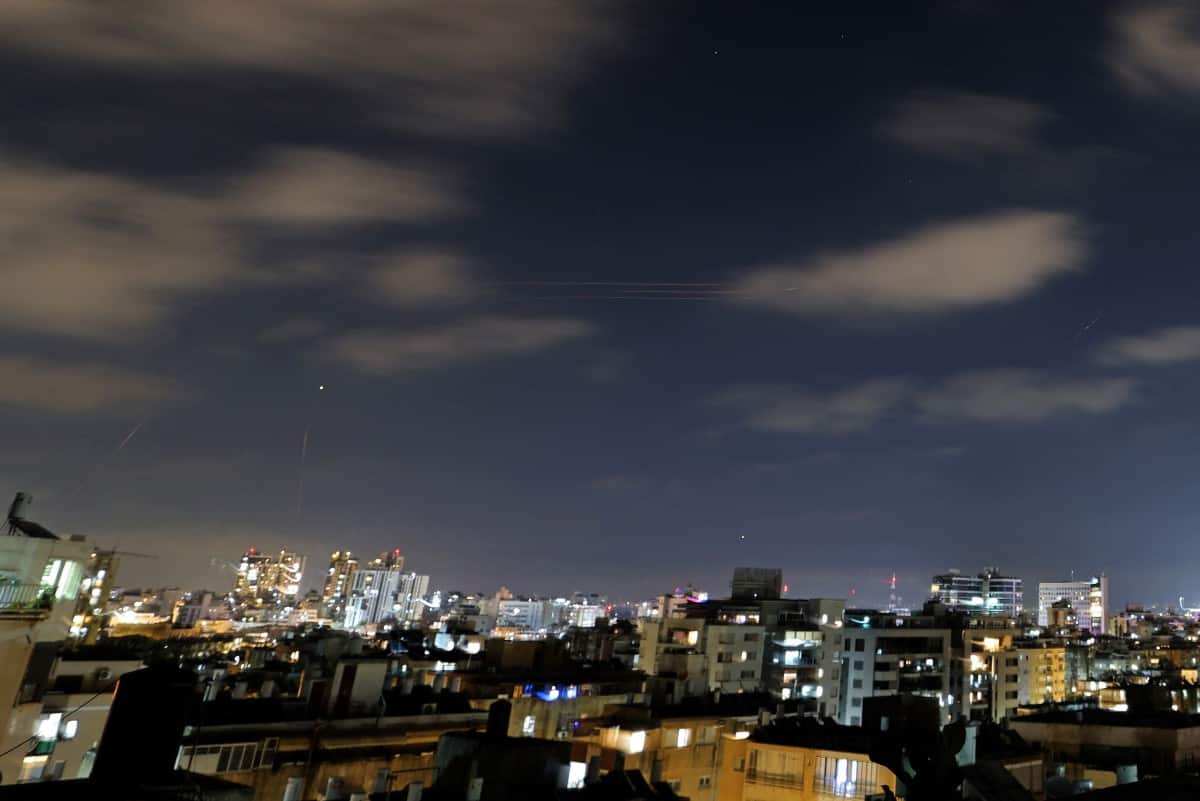
Meanwhile, the United States revoked a temporary licence that had allowed Tehran to export oil, a move that the Lbc report said underscored the fragility of a cease‑fire signed only weeks earlier. Iran’s Islamic Revolutionary Guard Corps (IRGC) responded by launching missiles and drones at U.S. Bases in Bahrain and Kuwait. The Independent noted that air‑raid sirens sounded in both countries and that an Iranian state‑run channel reported the downing of a U.S. MQ‑9 Reaper drone.
Rutte’s remarks have been welcomed by Trump’s allies but have drawn criticism from other European capitals. Spain’s prime minister Pedro Sánchez called the U.S. Campaign “illegal, reckless and unjust”, and his government barred American military flights linked to the operation from its airspace. The TimesNow piece highlighted this split, noting that “several European leaders … have criticised the US operation or sought to distance themselves from it”.
The dispute over Iran is interwoven with a broader NATO‑U.S. Debate on defence budgets. Rutte has repeatedly pressed allies to match the United States’ target – a “completely fair” demand, he told reporters – noting that Estonia, Latvia, Lithuania, Poland, Denmark and Greece are already spending more.
European leaders have used the summit to showcase their own contributions. According to the Cbc article, Rutte praised the United States for “making us all safer” and credited Trump with pushing members to sign on to the package – a “big success in The Hague”. The same source noted that Canada’s finance minister Mark Carney warned the new target could cost up to $150 billion a year for Canada alone.
Yet the alliance’s cohesion is being tested on several fronts. Aside from the Iran flashpoint, there are lingering tensions over Greenland, with Iceland’s prime minister Kristrún Frostadóttir echoing Denmark’s stance that “Greenland belongs to the people of Greenland”. The Yahoo report quoted Iceland’s leader as warning that “Russia is their biggest threat when it comes to these NATO allies”. At the same time, the United States is reviewing its military presence in Europe, a six‑month assessment that could reshape force deployments if European spending does not accelerate.
The Iranian side, meanwhile, has framed the U.S. Strikes as a violation of the memorandum of understanding signed the previous month, pledging “decisive measures” if the United States continues to breach the cease‑fire.
Rutte’s forceful endorsement of the U.S. Strikes has sharpened the divide between allies who see a robust response as essential to curbing Tehran’s nuclear ambitions and those who fear escalation could destabilise an already volatile Middle East.
How significant is this development?
Contribute your assessment to the aggregated reader sentiment ledger.
Frequently Asked Questions
Key questions answered in this reportWhat is the key development in: US strikes on Iran were 'absolutely necessary', says NATO chief Mark Rutte?
NATO Secretary-General Mark Rutte has defended recent U.S. air strikes on Iran as necessary, highlighting a growing divide among alliance members.
Why is this World development significant for the UK?
This report covers critical events in our World beat. Independent reporting monitors related UK statements, regulatory shifts, and public responses as further verified details emerge.
How was this reporting corroborated and verified?
Newsarchy UK compiles and cross-references reporting from primary reporting from independent.co.uk and cross-checked wire reports. All coverage adheres to published editorial standards.
When was this report published?
This briefing was published on July 8, 2026 and is permanently cataloged in the Newsarchy UK World archives.