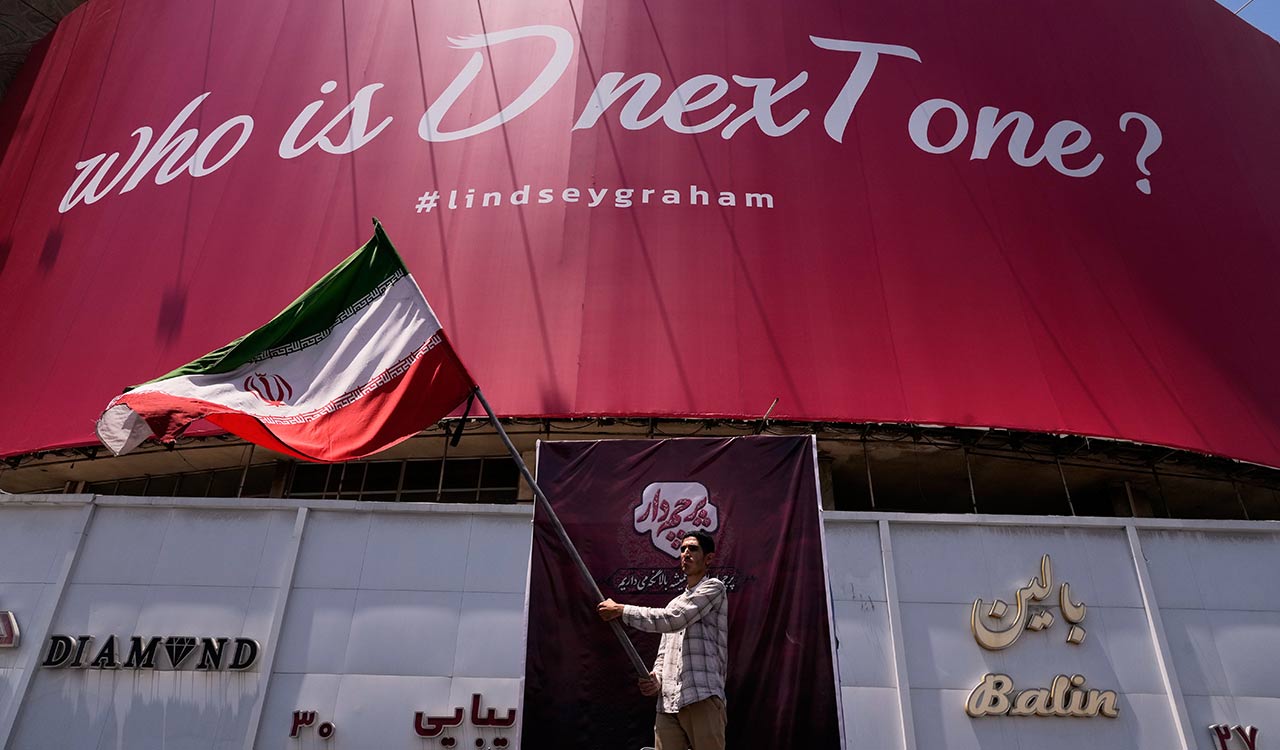
Tehran displays banners depicting Trump family in coffins amid tensions
New murals have appeared across Tehran amid rising military hostilities, including U.S. airstrikes on Iranian infrastructure and retaliatory strikes.
- Core Development: New murals have appeared across Tehran amid rising military hostilities, including U.S. airstrikes on Iranian infrastructure and retaliatory strikes.
- Beat Context: Categorized under World with independent corroboration.
- Reporting Depth: 3 minute analytical read synthesized from verified newsroom sources.
Tehran is projecting a message of defiance with aggressive public displays as regional hostilities intensify. Banners and murals have appeared across the Iranian capital depicting the United States president and his family in flag-draped coffins, accompanied by slogans calling for "blood for blood" and threatening "We Kill Trump." One display in Fatimi Square shows American and Israeli officials drowning in red ribbons, warning they will be consumed by a "sea of the Iranian nation's revenge."
The visual campaign follows a rise in official rhetoric from Tehran. Following the death of the former Supreme Leader Ali Khamenei, conservative publication Hamshahri released a list of world leaders targeted for retaliation. Mojtaba Khamenei, the new supreme leader, stated that these individuals would "take to their graves the wish of a peaceful death in their beds." These developments coincide with the collapse of a ceasefire and the escalation of a naval and aerial conflict between Washington and Tehran.
Media additions


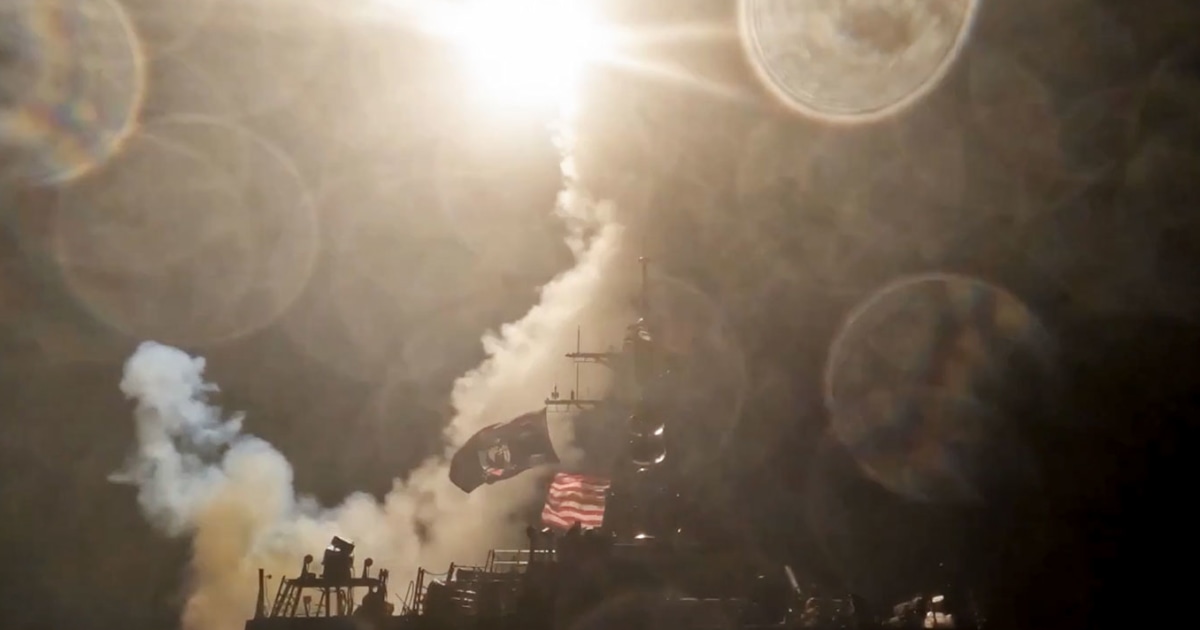
On Friday, the United States concluded its sixth consecutive night of airstrikes. Military operations targeted bridges in Hormozgan province, including infrastructure at Bandar Khamir, in a campaign aimed at isolating the major port of Bandar Abbas. Central Command confirmed strikes on military logistics and maritime infrastructure, while Iranian state media reported that the attacks resulted in multiple deaths and damage to civilian infrastructure, including bridges and power facilities. An Energy Ministry request for conservation in southern provinces confirmed that electricity systems are under strain from the ongoing strikes.
The U.S. Campaign also resulted in the destruction of a surveillance tower at Chabahar port on the Gulf of Oman. Footage of the tower's collapse was shared by Defense Secretary Pete Hegseth, highlighting a strategy to assert control over regional trade routes. As of Friday morning, Iranian health officials reported that the week’s operations had resulted in at least 38 deaths and over 400 injuries.
The conflict has expanded beyond Iranian borders as Tehran launched retaliatory missile and drone strikes against U.S.-allied nations on Friday. In Qatar, a key mediator, falling debris wounded a child, while authorities in Bahrain and Kuwait reported defensive operations. Jordan’s military confirmed the interception of incoming missiles, and explosions were reported in the Kurdistan region of Iraq. Iran’s Revolutionary Guard further claimed to have struck an outpost in Syria, though the U.S. Stated it had withdrawn forces from that location earlier this year.
The struggle centers on the Strait of Hormuz, a vital artery for global energy. Since the conflict began on 28 February 2026, Iran has maintained a closure of the waterway, forcing the U.S. To reimpose a naval blockade. Central Command reports that it has redirected three commercial vessels attempting to bypass the blockade, disabled one vessel, and boarded another to ensure compliance. Maritime data firm Lloyd’s List Intelligence indicates that cargo shipments have dropped significantly, with many shippers halting transit entirely.
Despite the escalation, communication channels between the two nations remain active. The White House recently confirmed the release of an American citizen, Dena Karari, who has been held in detention. President Trump has publicly framed the military campaign as a success, stating that the U.S. Is "winning big in Iran."
Conflict Timeline: July 2026
- 16 July: Tehran unveils new murals and banners in city squares targeting the U.S. President and family.
- 17 July: U.S. Concludes sixth night of airstrikes; Iranian missiles strike regional neighbors including Qatar, Kuwait, and Bahrain.
As the regional situation remains volatile, observers are watching the integrity of the Strait of Hormuz. With energy transit currently disrupted and mediation efforts struggling, the prospect of further infrastructure targeting remains a central concern for regional stability. Washington continues to press for shipping routes that avoid Iranian interference, while Tehran maintains its position that it will not permit foreign nations to control the waterway.
For more updates on the ongoing World coverage, follow the latest reports on the military operations and diplomatic maneuvers between the two nations.
How significant is this development?
Contribute your assessment to the aggregated reader sentiment ledger.
Frequently Asked Questions
Key questions answered in this reportWhat is the key development in: Tehran displays banners depicting Trump family in coffins amid tensions?
New murals have appeared across Tehran amid rising military hostilities, including U.S. airstrikes on Iranian infrastructure and retaliatory strikes.
Why is this World development significant for the UK?
This report covers critical events in our World beat. Independent reporting monitors related UK statements, regulatory shifts, and public responses as further verified details emerge.
How was this reporting corroborated and verified?
Newsarchy UK compiles and cross-references reporting from primary reporting from apnews.com and cross-checked wire reports. All coverage adheres to published editorial standards.
When was this report published?
This briefing was published on July 17, 2026 and is permanently cataloged in the Newsarchy UK World archives.