Trump accuses Xi, Putin and Kim of conspiring against the United States
President Trump accused the leaders of China, Russia, and North Korea of conspiring against the United States during a primetime address. The president also claimed that newly declassified documents reveal Chinese interference in past U.S. elections.

- Core Development: President Trump accused the leaders of China, Russia, and North Korea of conspiring against the United States during a primetime address. The president also claimed that newly declassified documents reveal Chinese interference in past U.S. elections.
- Beat Context: Categorized under World with independent corroboration.
- Reporting Depth: 3 minute analytical read synthesized from verified newsroom sources.
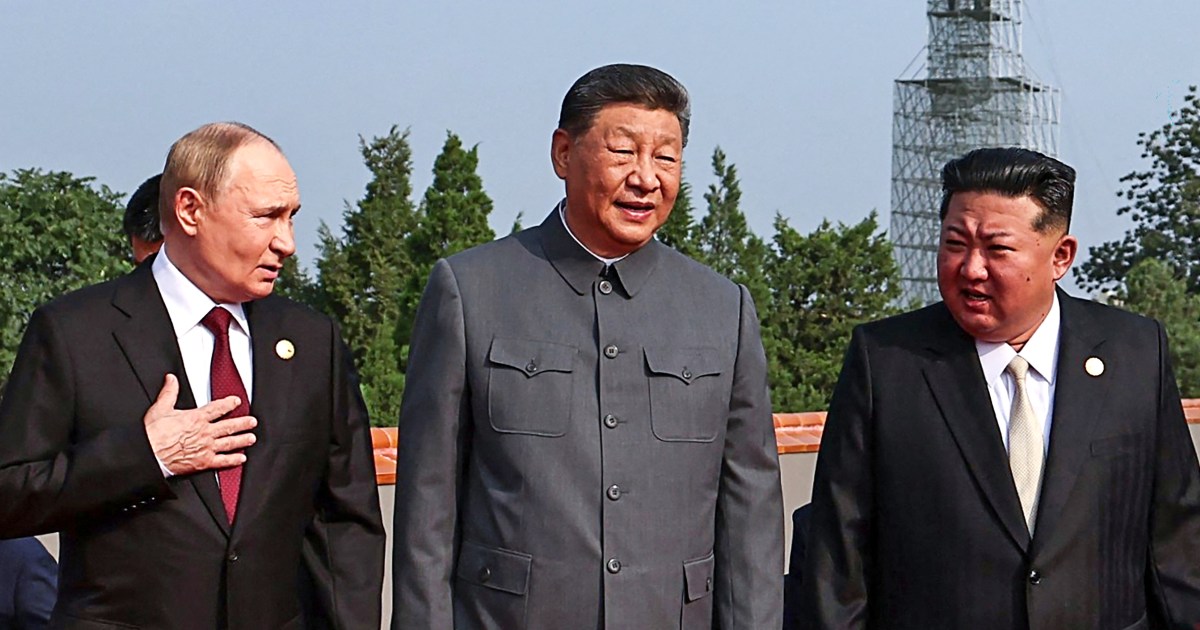
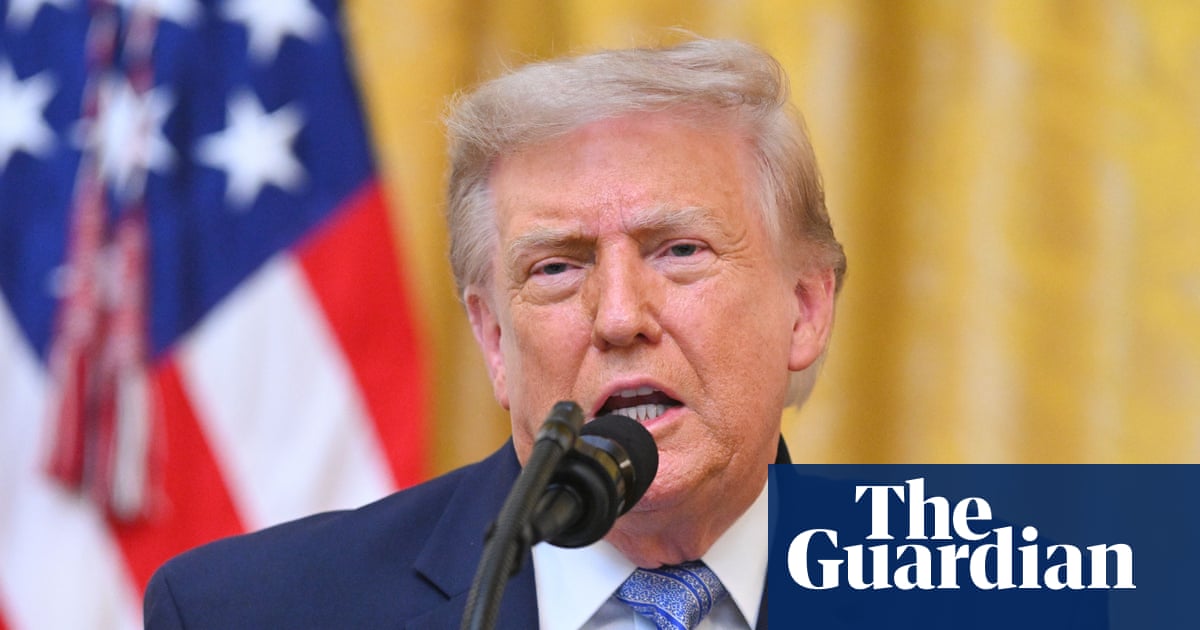
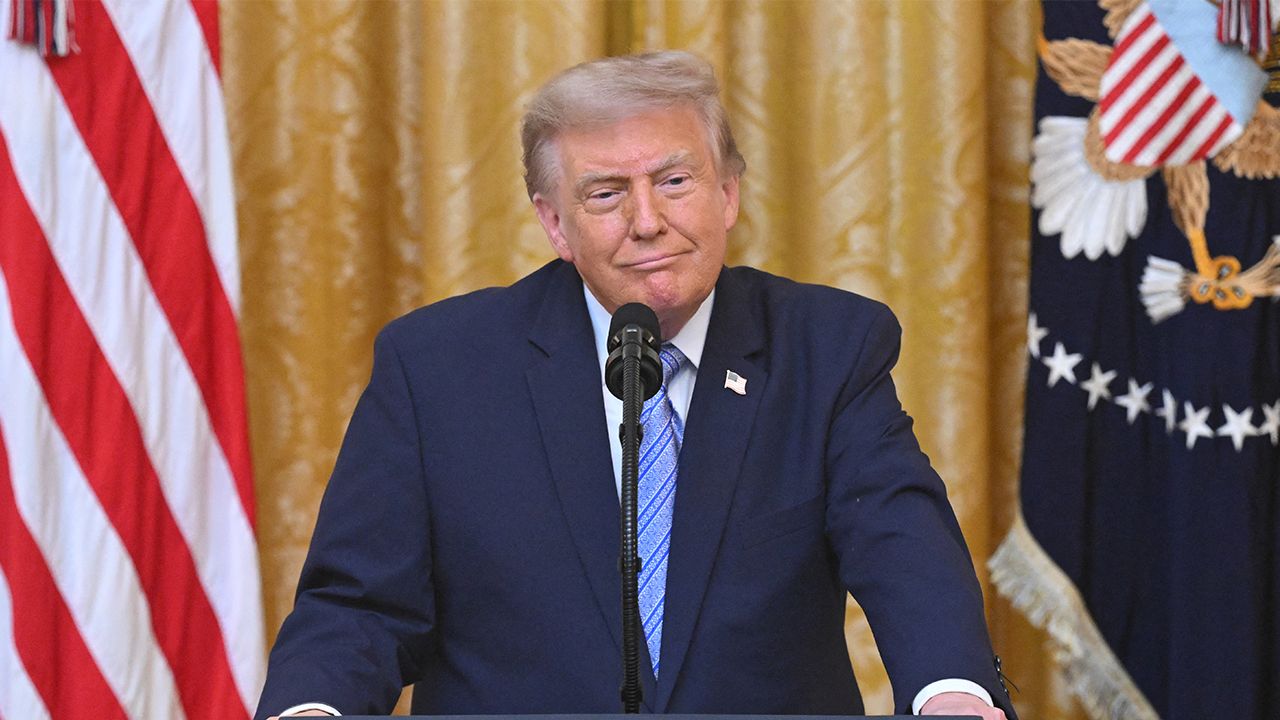
President Donald Trump used a primetime address on Thursday, 16 July 2026, to level accusations of a coordinated conspiracy against the United States. Speaking from the East Room of the White House, the president alleged that the leaders of China, Russia, and North Korea are acting in concert to undermine American interests. The claims emerged as those leaders gathered in Beijing for a large-scale military parade marking the 80th anniversary of the surrender of Imperial Japan.
In a post on Truth Social, the president directed his commentary toward the trio, writing: Please give my warmest regards to Vladimir Putin, and Kim Jong Un, as you conspire against The United States of America.
While the Kremlin dismissed the allegations through foreign policy aide Yuri Ushakov, who stated that no one was plotting any conspiracies,
the president’s address suggested he viewed the military display as a tangible manifestation of a shifting global order.
Media additions
Election Interference Allegations
The core of the president's 25-minute televised speech focused on assertions regarding the integrity of U.S. Elections. Trump claimed that newly declassified documents reveal extensive interference by China in both the 2018 midterms and the 2020 presidential election. According to the president, intelligence agencies during his first term suppressed reports indicating that Beijing sought to influence voters and compromise data to prevent his reelection.
These claims have been met with skepticism and direct refutation from intelligence officials and lawmakers. Senate Intelligence Committee Vice-Chair Mark Warner stated that the assertions have been investigated for years and repeatedly rejected by the intelligence community, the FBI, DHS, DOJ, bipartisan state election officials, audits, recounts, and the courts.
Furthermore, reports from the intelligence community during the 2020 cycle concluded that while Russia conducted influence operations, China did not deploy efforts to change the election's outcome, as Beijing did not view either candidate as inherently more advantageous to its strategic interests.
The Chinese Foreign Ministry rejected the allegations entirely. The relevant allegations by the U.S. are entirely fabricated and aimed at vilifying China,
said spokesperson Lin Jian, who urged the administration to stop making an issue of China in its elections.
Political Context and Legislative Strategy
The address served as a platform for the president to renew his push for the SAVE America Act, legislation requiring documentary proof of citizenship for voter registration. The bill, currently stalled in Congress, faces significant opposition, including from some within the president’s own party. Critics characterized the speech as an attempt to sow confusion and establish a narrative to challenge potential losses for the Republican Party in the upcoming November midterm elections.
The speech coincided with a broader administration shift regarding foreign entities. On the same day, the Department of Homeland Security announced that visa durations for foreign journalists would be significantly curtailed, with Chinese journalists facing a 90-day limit. Beijing has described this policy as discriminatory
and has reserved the right to implement reciprocal measures.
Strategic "Axis" and Global Turbulence
The gathering in Beijing, which included Iranian President Masoud Pezeshkian, underscored what some analysts describe as a tightening link between authoritarian states. Edward Howell of the University of Oxford noted that the conflict in Ukraine has been a key catalyst in pulling together these countries,
creating an alignment that poses a complex challenge to the U.S.-led order. This occurs as the United States continues to escalate military pressure on Iran in the Strait of Hormuz, with the president claiming in his speech that the U.S. Is winning big in Iran,
even as a previous ceasefire deal has effectively collapsed.
What to Watch Next
- Diplomatic Relations: The scheduled visit of President Xi Jinping to Washington in September remains a point of speculation following the heightened rhetoric.
- Visa Implementation: The impact of new, shortened visa rules for foreign journalists on international media access within the United States.
Despite the gravity of the president's claims, his assertion remains at odds with assessments from election experts, who point to the decentralized nature of U.S. Voting systems and the use of paper trails as critical guardrails against large-scale fraud.
How significant is this development?
Contribute your assessment to the aggregated reader sentiment ledger.
Frequently Asked Questions
Key questions answered in this reportWhat is the key development in: Trump accuses Xi, Putin and Kim of conspiring against the United States?
President Trump accused the leaders of China, Russia, and North Korea of conspiring against the United States during a primetime address. The president also claimed that newly declassified documents reveal Chinese interference in past U.S. elections.
Why is this World development significant for the UK?
This report covers critical events in our World beat. Independent reporting monitors related UK statements, regulatory shifts, and public responses as further verified details emerge.
How was this reporting corroborated and verified?
Newsarchy UK compiles and cross-references reporting from primary reporting from nbcnews.com and cross-checked wire reports. All coverage adheres to published editorial standards.
When was this report published?
This briefing was published on July 17, 2026 and is permanently cataloged in the Newsarchy UK World archives.