Tehran frees US-Iranian woman Dena Karari after almost two years' detention
Dena Karari, a U.S.-Iranian dual national, was released from Iran following her December 2024 detention on espionage charges. Her departure follows a gesture of goodwill amid increased military activity between Washington and Tehran.
- Core Development: Dena Karari, a U.S.-Iranian dual national, was released from Iran following her December 2024 detention on espionage charges. Her departure follows a gesture of goodwill amid increased military activity between Washington and Tehran.
- Beat Context: Categorized under World with independent corroboration.
- Reporting Depth: 4 minute analytical read synthesized from verified newsroom sources.
Iran’s decision to let Dena Karari cross the border on July 15, 2026 arrives at a moment when Washington and Tehran are exchanging missiles, drones and a revived naval blockade of the Strait of Hormuz. The release “as a gesture of goodwill,” President Donald Trump declared, and it marks the first American departure from an Iranian prison since 2023, offering a rare diplomatic opening amid a broader flare‑up that has already seen U.S. Strikes on Iranian targets and Iranian missile launches toward Kuwait and Bahrain.
Karari, a dual U.S.–Iranian citizen, was seized in December 2024 while visiting family in Shiraz. Iranian authorities confiscated her passports, placed her under a “coercive exit ban,” and later accused her of espionage and collaboration with a hostile state – charges human‑rights lawyers describe as “bogus.”
Media additions


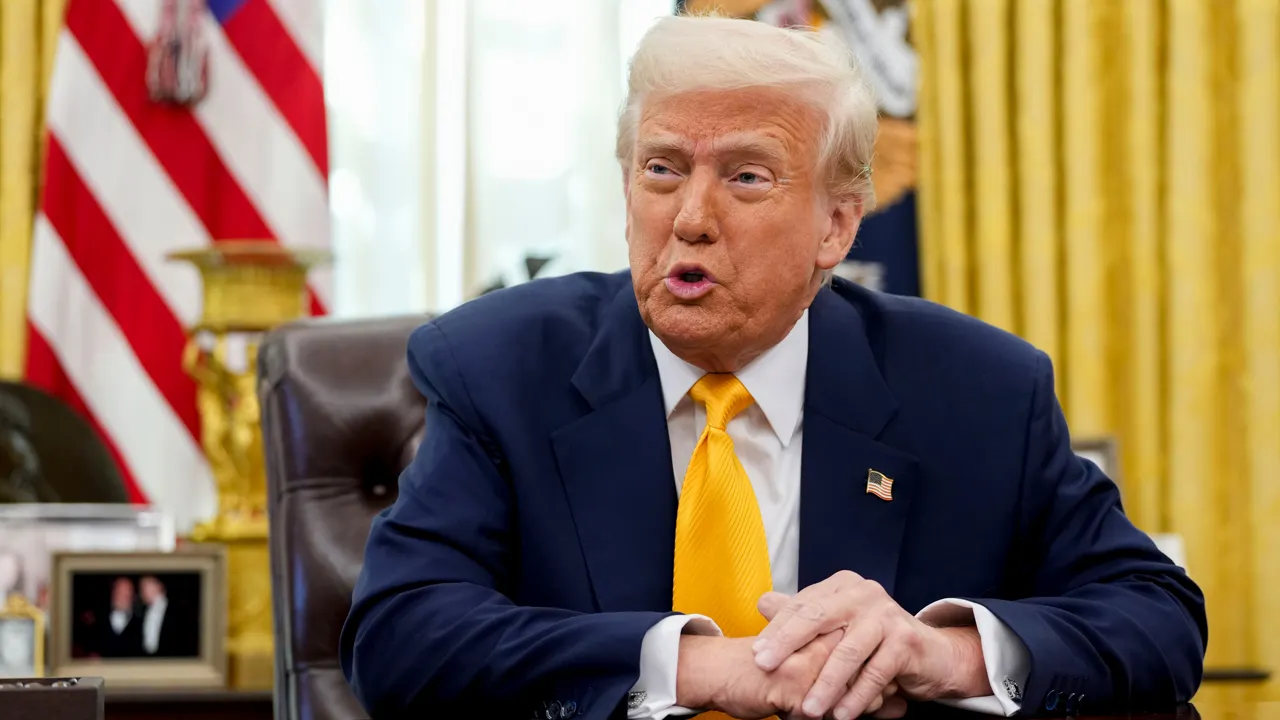
"She is now safely outside of Iran, and in good condition."
Donald Trump, President of the United States, via Truth Social
Trump’s brief announcement was soon followed by a more detailed statement from international human‑rights attorney Jared Genser, who has built a reputation for securing the release of dual nationals held in Tehran.
"I am beyond excited to report that my client Dena Karari, a US‑Iranian citizen, who has been trapped in Iran on bogus charges of collaboration with a hostile state and espionage, is now safely out of Iran and on her way back to the United States."
Jared Genser, International Human‑Rights Lawyer, via X
Genser, known in legal circles as “the extractor,” added that the release would not have happened “but for the extraordinary and relentless efforts of President Donald Trump.” The lawyer also used the moment to call on Tehran to end “all remaining coercive exit bans and all Iranian political prisoners.”
The case fits a long‑standing pattern documented by analysts and human‑rights groups. Since the 1979 hostage crisis, Iran has repeatedly detained foreign and dual nationals on vague security accusations, often leveraging them as bargaining chips in negotiations over sanctions, frozen assets or regional influence. The Wikipedia list of foreign nationals detained in Iran notes that dual citizens are especially vulnerable because Tehran does not recognize dual nationality, limiting consular access.
Karari’s own background adds nuance to the diplomatic calculus. She worked for a U.S. Technology firm and ran a charitable organization – the Children of Mehr Foundation – that distributes books and literacy programs to impoverished Iranian children. Iranian officials linked the charity’s U.S. Registration to espionage, a common accusation against NGOs that operate across the frontier. Fox News reported that she was “targeted after Iranian authorities linked her to the Children of Mehr Foundation.”
While her release is welcomed, it does not alter the broader picture of Americans still held in Tehran. Times Now cites a recent U.S. Official who confirmed at least six Americans are currently detained, two of them officially designated as “wrongfully detained.” Fox News adds that other high‑profile cases – including journalist Reza Valizadeh and businessman Kamran Hekmati – remain unresolved.
The timing of Karari’s freedom coincides with a flurry of U.S. Military activity. In the weeks before her release, Washington announced a new round of strikes against Iranian air‑defence sites and disrupted an empty oil tanker headed for a Persian Gulf port, as detailed in the Abc report. Those actions were framed as retaliation for recent Iranian missile and drone attacks on Kuwait and Bahrain.
Analysts see the release as a calculated move by Tehran to temper international condemnation while maintaining leverage. United Against Nuclear Iran explains that Iran often uses “bargaining chips” to extract concessions, such as the release of frozen financial assets. The same logic underpinned the September 2023 prisoner exchange that freed five Americans in return for $6 billion in frozen funds.
Karari’s personal ordeal underscores the human cost behind the diplomatic chessboard. Genser told Fox News that she endured “enormous physical and psychological hardship” during dozens of interrogations by the Ministry of Intelligence and Security (MOIS). He clarified that while she was never formally sentenced, the coercive exit ban effectively amounted to imprisonment.
Key milestones in Karari’s case
- December 2024 – Arrival in Shiraz; passports seized; exit ban imposed.
- July 15 2026 – President Trump announces release via Truth Social, calling it a “gesture of Goodwill.”
What to watch next
- U.S. Military response: whether Washington expands strikes or escalates the naval blockade, as discussed in the US‑Iran clash coverage.
How significant is this development?
Contribute your assessment to the aggregated reader sentiment ledger.
Frequently Asked Questions
Key questions answered in this reportWhat is the key development in: Tehran frees US-Iranian woman Dena Karari after almost two years' detention?
Dena Karari, a U.S.-Iranian dual national, was released from Iran following her December 2024 detention on espionage charges. Her departure follows a gesture of goodwill amid increased military activity between Washington and Tehran.
Why is this World development significant for the UK?
This report covers critical events in our World beat. Independent reporting monitors related UK statements, regulatory shifts, and public responses as further verified details emerge.
How was this reporting corroborated and verified?
Newsarchy UK compiles and cross-references reporting from primary reporting from abc.net.au and cross-checked wire reports. All coverage adheres to published editorial standards.
When was this report published?
This briefing was published on July 16, 2026 and is permanently cataloged in the Newsarchy UK World archives.