Three ships hit in the Strait of Hormuz as oil reaches three-week high
EXECUTIVE BRIEFKey Takeaways & Signal
Core Development: Three ships were struck by unknown projectiles in the Strait of Hormuz, driving up oil prices as diplomatic talks collapsed and tensions rose.
Beat Context: Categorized under World with independent corroboration.
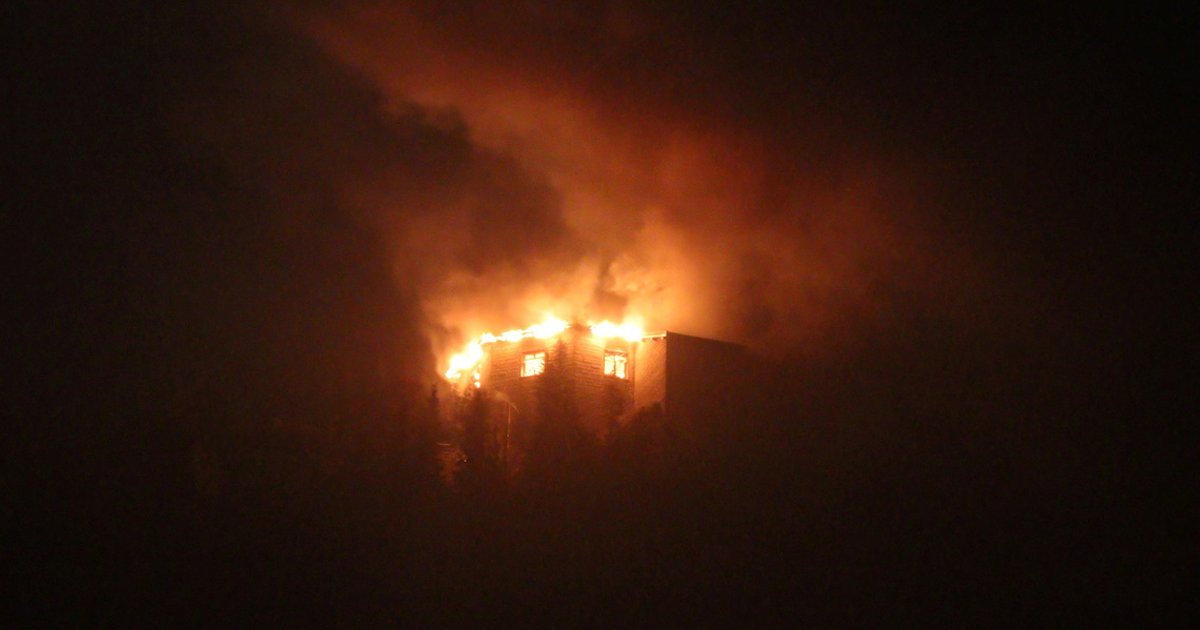
British maritime officials confirmed that three ships were hit by unknown projectiles while transiting the narrow waterway that carries roughly a fifth of the world’s oil. The United Kingdom Maritime Trade Operations agency reported two casualties. INTERCARGO, the cargo‑ship owners’ association, said a sailor on the Liberian‑flagged bulk carrier Minoan Dynasty was killed.
"The Hormuz Strait is open and operating. All water mines have been removed or detonated."
Media additions
Image via finance.yahoo.comImage via sg.news.yahoo.comImage via maravipost.com
Donald Trump, via Truth Social, Reuters
President Trump reiterated that claim on his social‑media platform on Tuesday, while also stating the United States would not extend the cease‑fire that lapsed on Monday. In a separate rally speech, he warned that Americans should brace for higher petrol prices as the conflict continues.
Iran’s chief negotiator, Mohammad Baqer Qalibaf, told parliament that the strait “will remain shut until the US meets the conditions of an interim deal signed in June,” which he said include lifting the US blockade, removing oil sanctions, unfreezing Iranian assets and ending military threats.
In the meantime, Saudi Aramco resumed loading oil from inside the strait, targeting Singapore and Malaysia as destinations, but the flow of the roughly 500 million barrels that usually pass each month has slowed to a trickle.
Market reaction to the strikes
Brent crude futures jumped more than 3 per cent over the past week, reaching $91.38 by Friday afternoon Australian Eastern Standard Time. Crude prices extended the rally on Tuesday, with the WTI contract closing up +0.44 (0.52 per cent). The rally is being driven by a “reduced Middle Eastern oil supply” narrative, as vessels continue to be struck and a UAE‑owned tanker was detained in the strait for allegedly failing to pay a transit fee.
U.S. Energy Secretary Chris Wright told reporters the United States is “playing the long game” with Iran, implying no near‑term de‑escalation. Treasury Secretary Bessent announced that the administration will soon unveil “unprecedented economic measures” against Iran, adding to the existing naval blockade.
Despite the attacks, US officials said about 9 million barrels per day crossed the strait in the past seven days, surpassing earlier expectations of 4 million barrels per day. The higher throughput is attributed to “dark” transits – tankers from the UAE, Qatar, Iraq and Kuwait that have switched off their identification transponders, according to vessel‑tracking data compiled by Bloomberg, Kpler and Vortexa.
The International Energy Agency warned that the global oil‑supply deficit will worsen, with inventories set to fall in the third quarter at twice the previously estimated rate.
Political manoeuvring in Washington
On Tuesday, Trump instructed his top envoys – Vice President JD Vance, Steve Witkoff and Jared Kushner – to halt all negotiations with Tehran. A White House official confirmed the new direction, saying the administration is shifting from “hammer Iran ASAP” to a longer‑term “strangle them” strategy.
"There are no talks or conversations going on, or scheduled, with the Islamic Republic of Iran."
Donald Trump, via Truth Social, Reuters
Just days earlier, Kushner had told Fox News that talks were “probably more robust than ever,” a contrast that highlights the uncertainty within the U.S. Team. The President’s public denial of any dialogue has been met with an Iranian military spokesperson’s rebuke that Trump’s claim of “total control” over the strait is “nothing more than lies.”
At the same time, Trump has threatened to bomb Oman if the Gulf nation “gets in the way,” a warning that dovetails with reports that Oman is negotiating a joint Iranian‑Omani arrangement to manage traffic through the waterway. The President posted a map labeling the strait as “US Territory,” reinforcing his reluctance to cede any control.
UK bond markets feel the shock
British gilts are reacting sharply to the oil‑price surge and the heightened geopolitical risk. Nigel Green, CEO of deVere Group, told Maravipost that the United Kingdom is “exposed twice over” in the current bond sell‑off.
“Every government bond market is exposed to this shock, but Britain is exposed twice over.”
Nigel Green, deVere Group, Maravipost
He linked the “trigger” to a “ceased‑fire window that shut without a deal, an attack on shipping in the Strait of Hormuz, oil pushing back above $90 a barrel, and inflation fears flooding back into markets.” The deVere chief warned that UK 10‑year borrowing costs have already broken above 5 per cent twice this year, an 18‑year high, and that the 30‑year gilt hit its highest level since 1998 only months ago.
Green noted two structural weaknesses: public‑sector debt hovering near 95 per cent of GDP – almost triple pre‑crisis levels – and a gilt market where “close to a quarter” is inflation‑linked, the largest share among major developed economies. When oil prices jump, the index‑linked portion “raises the government’s own interest bill automatically, in real time, without a single new bond being issued.”
READER INTELLIGENCE PULSE
How significant is this development?
Contribute your assessment to the aggregated reader sentiment ledger.
Click an option to register your anonymous assessment.
Frequently Asked Questions
Key questions answered in this report
What is the key development in: Three ships hit in the Strait of Hormuz as oil reaches three-week high?
Three ships were struck by unknown projectiles in the Strait of Hormuz, driving up oil prices as diplomatic talks collapsed and tensions rose.
Why is this World development significant for the UK?
This report covers critical events in our World beat. Independent reporting monitors related UK statements, regulatory shifts, and public responses as further verified details emerge.
How was this reporting corroborated and verified?
Newsarchy UK compiles and cross-references reporting from primary reporting from abc.net.au and cross-checked wire reports. All coverage adheres to published editorial standards.
When was this report published?
This briefing was published on August 19, 2026 and is permanently cataloged in the Newsarchy UK World archives.